WhatsApp Slates New Charges for the WhatsApp Business API – What Businesses Need to Know
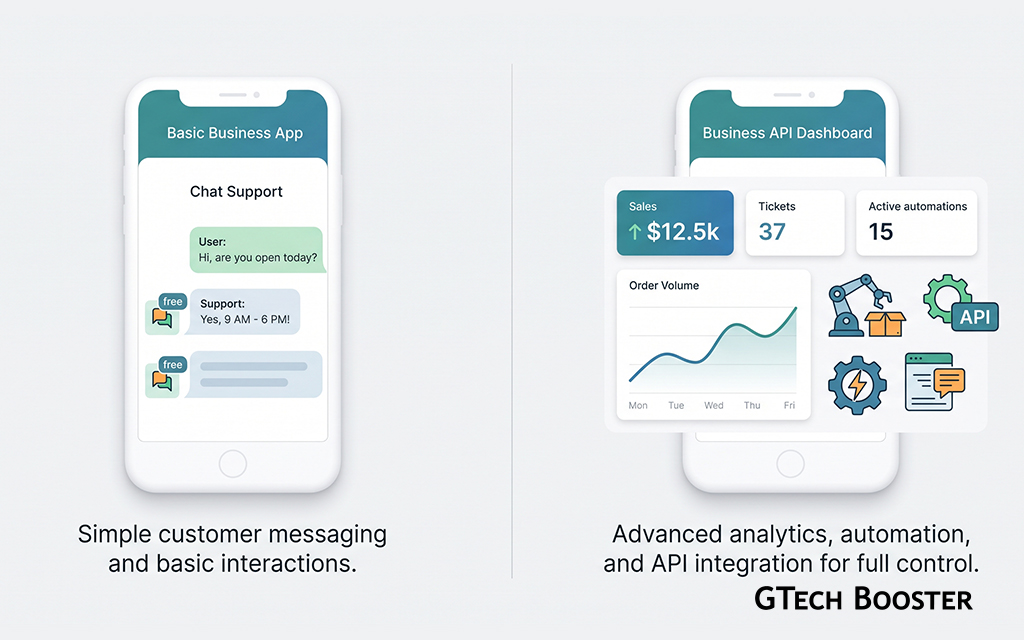
WhatsApp offers two very different products to businesses. The first is the free WhatsApp Business App, a mobile app designed for small businesses that manage customer conversations manually, typically with a single device or a small number of users.
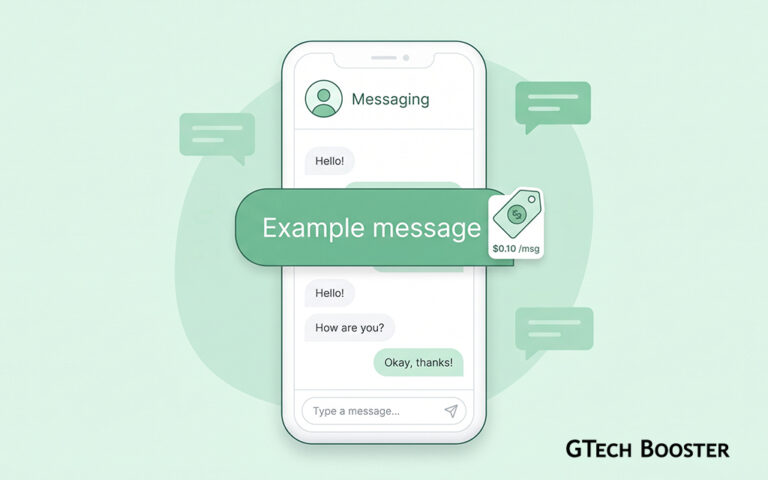
Before understanding the new charges, it helps to be clear about what exactly is changing and what is not. WhatsApp offers two very different products to businesses. The first is the free WhatsApp Business App, a mobile app designed for small businesses that manage customer conversations manually, typically with a single device or a small number of users. The second is the WhatsApp Business API, also called the WhatsApp Business Platform or Cloud API, which is built for larger organizations that need to send high volumes of messages, connect WhatsApp to a customer relationship management system, run automated chatbots, or allow multiple agents to handle conversations simultaneously.
The API is typically accessed through a Business Solution Provider, or BSP, a third party company that helps businesses integrate WhatsApp into their existing tools. It is this API, used by companies large and small for automation, marketing, and support at scale, that the new charges apply to. The free consumer app and WhatsApp Web are unaffected, and small businesses relying on those tools will not see these particular charges touch them at all.
A Brief History of How WhatsApp API Pricing Has Evolved
To understand why this latest change matters, it helps to see how WhatsApp’s pricing model has shifted over the past several years, since the platform has moved through more than one billing approach.
The Original Conversation Based Model
From 2022 until mid 2025, Meta billed businesses using a conversation based model. Under this system, an entire twenty four hour conversation window, opened either by a customer messaging a business or by a business initiating contact through a template message, could include an unlimited number of messages for a single flat fee. This meant a business could exchange dozens of messages with a customer within that window at no additional cost beyond the initial charge that opened it.
The Shift to Per Message Billing
On July 1, 2025, Meta retired conversation based pricing entirely and replaced it with per message billing for template messages. From that point forward, each individual template message, whether categorized as marketing, utility, or authentication, was billed separately based on its category and the recipient’s country, rather than being bundled into a single conversation fee. Free form replies sent by a business within an open twenty four hour customer service window, along with certain utility messages sent inside that window, remained free under this model, since only the templates that opened or re engaged a conversation carried a direct cost.
Free Service Conversations
Adding further context, Meta had earlier made a significant change on November 1, 2024, when it removed a previous cap that had limited free service conversations to the first one thousand per month per business account. After that date, replying to a customer who messaged first became free at any volume, with no monthly limit, a policy that made ongoing customer support through the API considerably cheaper for many businesses.
What Is Changing With the New Charges
The latest and most significant shift arrives in two stages during 2026, fundamentally altering what has been free since that November 2024 change.
August 1, 2026: Meta Business Agent Messages
Starting August 1, 2026, Meta began charging for messages generated by what it calls Meta Business Agents. This category covers messages produced by automated or AI driven agents operating on a business’s behalf within WhatsApp conversations, marking one of the first signs that message types previously considered part of a free customer service exchange were beginning to carry a cost.
October 1, 2026: Service Messages and In Window Utility Messages
The larger and more consequential change takes effect on October 1, 2026. From this date, Meta charges for two categories of messages that have been free since the earlier 2024 policy change: service messages and utility messages sent within an already open twenty four hour customer service window.
Service messages refer to free form replies, meaning messages not built from a pre approved template, sent by a business to a customer during that open window. This includes replies typed manually by a human support agent as well as responses generated automatically by a chatbot or third party AI system. Previously, once a customer opened a conversation by messaging first, a business could reply as many times as needed within the following twenty four hours without incurring any additional charge. From October 2026 onward, each of those replies becomes an individually billed message.
Utility messages sent within that same open window are also affected. Utility messages are transactional or account related notifications tied directly to something a customer has already done, such as an order confirmation, a shipping update, or a billing statement. These had also been free when sent inside an active service window, and they too move to per message billing under the new structure.
How Billed Rates Are Determined
Meta has indicated that service messages will be priced at the same rate already charged for utility and authentication template messages sent to that particular country, rather than introducing an entirely separate rate card. Per message pricing generally varies significantly depending on the recipient’s country and the message category, with some published guides noting a difference of well over ten times between the cheapest and most expensive markets. Utility and authentication messages typically qualify for volume based discounts at higher monthly sending volumes, while marketing messages historically have not received such discounts regardless of volume.
Why This Change Matters
The practical significance of this shift lies in how differently it affects businesses depending on how they use WhatsApp.
From Campaign Costs to Conversation Costs
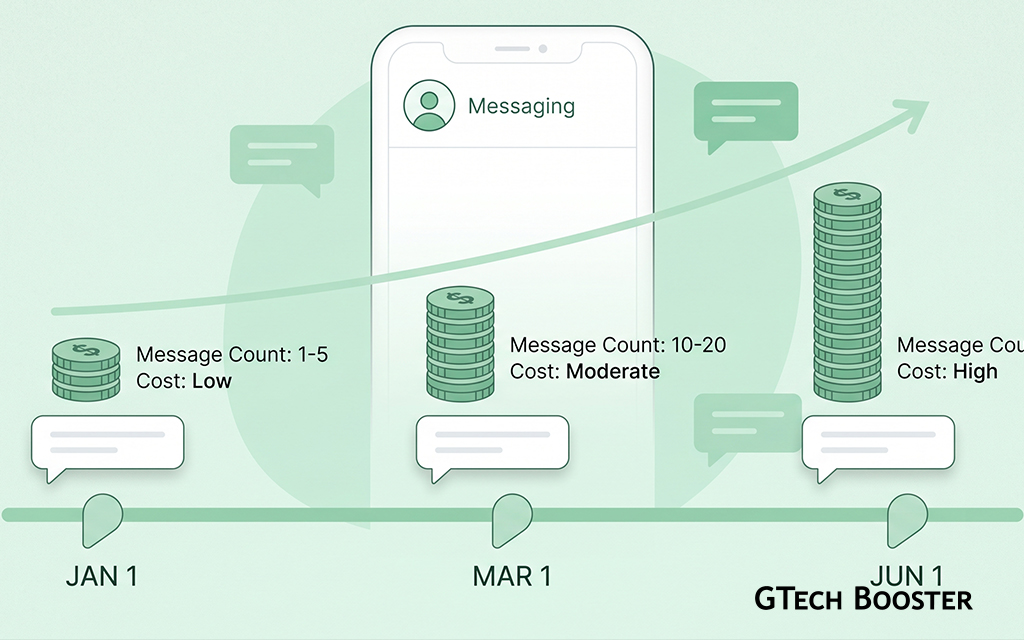
Under the earlier structure, the primary cost driver for most businesses was the marketing and utility templates used to start conversations or send scheduled notifications. Once a customer responded and a conversation was underway, continuing that exchange cost nothing extra. The new structure changes this dynamic considerably, since the ongoing back and forth of a support conversation, previously the free part of the process, now adds directly to the bill. One frequently cited example illustrates the scale of this shift clearly, a single conversation involving one marketing template, two automated replies, one live agent reply, and an order confirmation, would have counted as a single billed message earlier in 2026, then three billed messages from August 1, and five billed messages from October 1, the same conversation generating five times as many chargeable events.
Businesses Most Affected
Companies that rely heavily on WhatsApp for ongoing customer support, multi message sales conversations, or chatbot driven exchanges are likely to see the largest increase in cost, since these use cases depend on exactly the kind of extended, free form conversation that is becoming chargeable. Businesses that primarily send a single template message per interaction, such as a one time order confirmation with little follow up conversation, are likely to see a comparatively smaller impact, since their usage pattern was never especially reliant on the free service window in the first place.
A Shift in Incentives
One notable side effect of this pricing change is that it reverses part of the previous cost logic. Earlier, the message that opened a conversation was typically the most expensive part, while everything that followed inside the window was free, encouraging businesses to engage in thorough, back and forth support once a conversation began. Under the new structure, every additional reply carries its own cost, meaning a business that provides detailed, multi message customer support now pays more than one that resolves an issue in a single reply, an incentive shift that could influence how businesses design their support workflows going forward.
How Businesses Are Preparing
Guidance circulating among businesses and WhatsApp focused service providers ahead of the October deadline generally centers on understanding actual usage before the charges take effect. This typically involves reviewing how many free form service replies and in window utility messages a business sends in a typical month, since that volume represents the new exposure the charges will apply to, distinguishing it from the total number of conversations or templates a business may be more used to tracking. Some businesses are also being advised to reserve the full API specifically for tasks that genuinely require automation, broadcasts, or large scale messaging, while keeping simpler day to day conversations on the free WhatsApp Business App where that option is practical, since the app remains entirely unaffected by these charges.
Wrapping Up
The new charges Meta is introducing for the WhatsApp Business API mark one of the more significant pricing shifts to the platform since it moved away from conversation based billing in 2025. Where a business could once reply freely and extensively once a customer opened a conversation, the introduction of charges for service messages and in window utility messages, phased in through August and October of 2026, means that ongoing dialogue itself now carries a direct cost. This does not affect the free consumer facing WhatsApp Business App, but for organizations operating at scale through the API, understanding this shift, and specifically how many free form replies and utility messages they currently send within open conversation windows, has become an essential part of managing their communication costs going forward.
More Information ℹ


















Conversation
Login to comment.
Log In / Register