What Is Invalid Traffic? A Plain Guide for Publishers
For anyone running a website that earns revenue through display advertising, understanding invalid traffic matters a great deal, since ad networks actively monitor for it and can respond in ways that range from simply not paying for the affected activity to suspending a publisher's account entirely, even when the publisher themselves had no deliberate intention to generate that traffic.
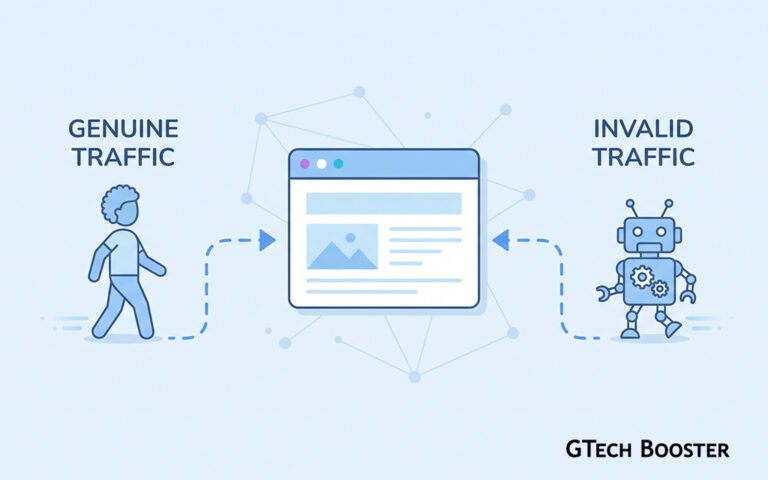
Invalid traffic refers to any visits, clicks, or ad impressions on a website that do not represent a genuine person naturally engaging with that content or its advertising. This is a term used widely across the online advertising industry, particularly by ad networks like Google AdSense, to describe activity that fails to meet the basic standard of representing real, intentional human interest.
For anyone running a website that earns revenue through display advertising, understanding invalid traffic matters a great deal, since ad networks actively monitor for it and can respond in ways that range from simply not paying for the affected activity to suspending a publisher’s account entirely, even when the publisher themselves had no deliberate intention to generate that traffic. This last point is worth emphasizing early, since invalid traffic does not always mean deliberate fraud. It can also arise accidentally, through mistakes, misconfigured tools, or activity a publisher never directly caused or asked for.
Why Ad Networks Care So Much About This
To understand why invalid traffic is treated so seriously, it helps to understand the basic promise underlying online advertising. Advertisers pay to have their ads shown to real people who might genuinely be interested in their product or service, and they pay based on measurements like how many times an ad was shown or clicked. If a meaningful portion of those impressions or clicks did not come from real, interested people, the advertiser is effectively paying for something that was never actually delivered.
Ad networks act as the intermediary responsible for maintaining trust in this entire system, both for the advertisers paying for ad space and for the publishers earning revenue from displaying it. Because of this, they invest heavily in detecting and filtering out invalid traffic, and they hold publishers accountable for keeping the traffic on their own websites reasonably clean, even though a publisher cannot always fully control every visitor who lands on their site.
The Two Broad Categories of Invalid Traffic
Ad networks like Google generally group invalid traffic into two broad categories, and understanding the distinction between them is central to understanding how this issue is actually detected and handled.
General Invalid Traffic
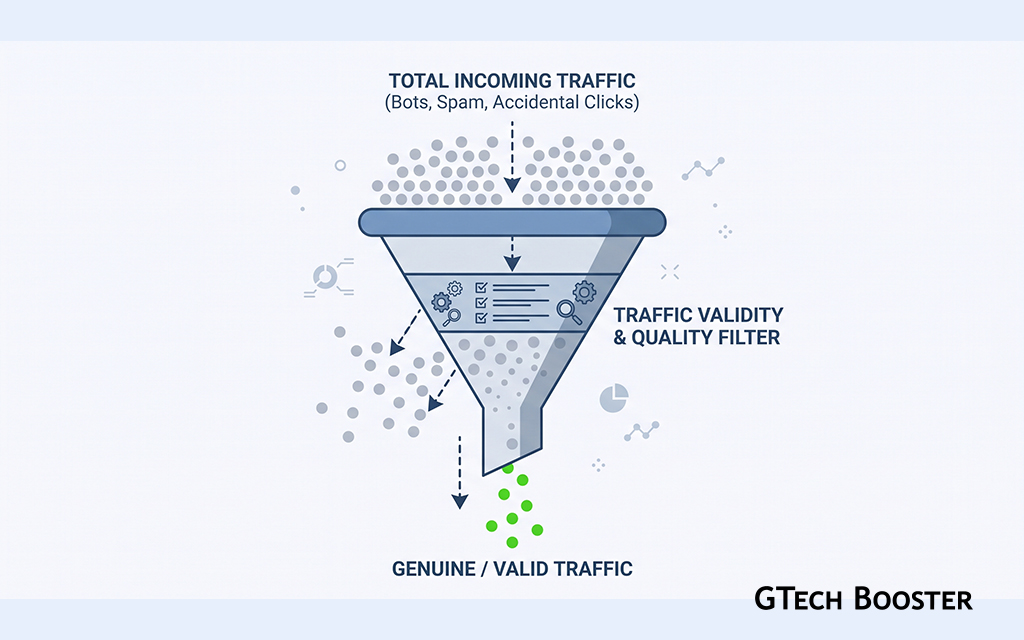
This category covers activity that can typically be identified through relatively straightforward, automated filtering, often in real time or very shortly after it occurs. It generally includes things like repeated clicks or impressions coming from the same source in an unusual pattern, traffic that shows clear signs of being generated by simple automated tools rather than a real browser, or known patterns already associated with low quality or non human activity. Because this type of traffic is often easier to detect through relatively straightforward technical signals, ad networks are frequently able to filter much of it out automatically before it ever affects a publisher’s reported earnings or metrics.
Sophisticated Invalid Traffic
This second category is considerably harder to detect, since it involves more advanced patterns specifically designed to mimic genuine human behavior closely enough to avoid straightforward automated detection. Identifying this kind of activity often requires deeper analysis, sometimes involving a combination of automated systems and manual review, and it may not be caught immediately, sometimes only becoming apparent after further investigation. This category tends to be associated with more deliberate attempts to manipulate advertising metrics, since simpler forms of fraud are usually caught quickly by the more basic filtering methods used for general invalid traffic.
Common Sources of Invalid Traffic
Understanding where invalid traffic actually comes from helps explain why it remains such a persistent challenge, and why a publisher can sometimes be affected by it without any deliberate wrongdoing on their part.
Automated Bots and Crawlers
A significant portion of all traffic across the internet is generated not by human visitors at all, but by automated programs, commonly called bots, that move through websites for a wide range of purposes, from legitimate search engine indexing to less legitimate activity specifically designed to inflate traffic numbers or interact with ads. While many bots identify themselves clearly and are automatically excluded from advertising metrics, others are specifically designed to behave in ways that make them harder to distinguish from genuine human visitors.
Accidental Clicks by Genuine Visitors
Not all invalid traffic stems from bots or deliberate manipulation. A genuine visitor accidentally clicking an ad, sometimes due to a poorly placed advertisement, a cluttered page layout, or simply an accidental tap on a mobile device, can also be counted as invalid, since the click did not reflect genuine interest in the advertisement itself. Publishers who design pages with ads placed too closely to buttons, links, or other interactive elements often see a higher rate of this kind of unintentional invalid activity without ever intending to cause it.
Incentivized or Manipulated Clicking
Some traffic is generated by encouraging real people to click on ads or visit a website in exchange for some form of reward, payment, or reciprocal favor, rather than out of any genuine interest in the content or advertisement itself. Even though a real human is technically performing the click in this scenario, it still fails to represent genuine advertiser value, since the click was driven by an artificial incentive rather than authentic interest.
Traffic From Compromised or Malicious Software
In some cases, invalid traffic originates from software installed on other people’s devices without their knowledge or consent, generating clicks or visits in the background without the actual device owner ever being aware or intentionally involved. Because this activity technically occurs on a real device, it can be more difficult to identify than more obvious bot traffic, though ad networks continue to develop increasingly sophisticated methods for detecting these patterns as well.
Competitor or Malicious Attacks on a Specific Website
In some cases, invalid traffic is deliberately directed at a specific publisher’s website by another party, sometimes intended to drain an advertiser’s budget on that site, and in other, particularly damaging cases, specifically intended to trigger an ad network’s fraud detection systems and cause the targeted publisher’s account to be flagged or suspended. This kind of attack is particularly frustrating for publishers, since it can occur entirely outside their control, targeting their site specifically rather than resulting from anything they did.
Traffic From Certain Promotional Methods
Some methods of promoting a website or its content can inadvertently generate large volumes of low quality or non genuine traffic, particularly certain paid traffic sources, traffic exchange services, or promotional tools that prioritize volume over the genuine relevance and interest of the resulting visitors. Publishers using these kinds of promotional methods without fully understanding the quality of traffic they generate can unintentionally create exactly the kind of pattern ad networks are trained to flag.
How This Affects Publishers
Understanding the consequences of invalid traffic helps explain why this topic deserves serious attention rather than being treated as a minor technical detail.
Impact on Earnings
At the most basic level, ad networks generally do not pay publishers for invalid traffic, meaning any clicks or impressions identified as invalid are typically excluded from a publisher’s reported earnings, even if they initially appeared in early, unfiltered metrics.
Impact on Account Standing
More seriously, a pattern of invalid traffic significantly above what is considered a normal, expected background level can trigger warnings, temporary restrictions, or in more serious or repeated cases, permanent suspension of a publisher’s advertising account entirely. This remains true even when the publisher did not deliberately cause the invalid traffic themselves, which is precisely why understanding and monitoring for these patterns matters even for entirely well intentioned website owners.
Why Publishers Are Held Responsible Even When Not at Fault
This can understandably feel frustrating, since a publisher targeted by a malicious attack or affected by hidden bot activity did nothing wrong in a direct sense. Ad networks generally justify this approach by pointing out that they are ultimately responsible for maintaining trust with advertisers across their entire platform, and that expecting some level of vigilance and monitoring from publishers, even against threats outside their direct control, is part of maintaining the overall integrity of the advertising system as a whole.
What Publishers Can Do to Protect Themselves
While a publisher cannot fully eliminate every possible source of invalid traffic, several practical habits meaningfully reduce risk.
Monitor Traffic and Ad Performance Regularly
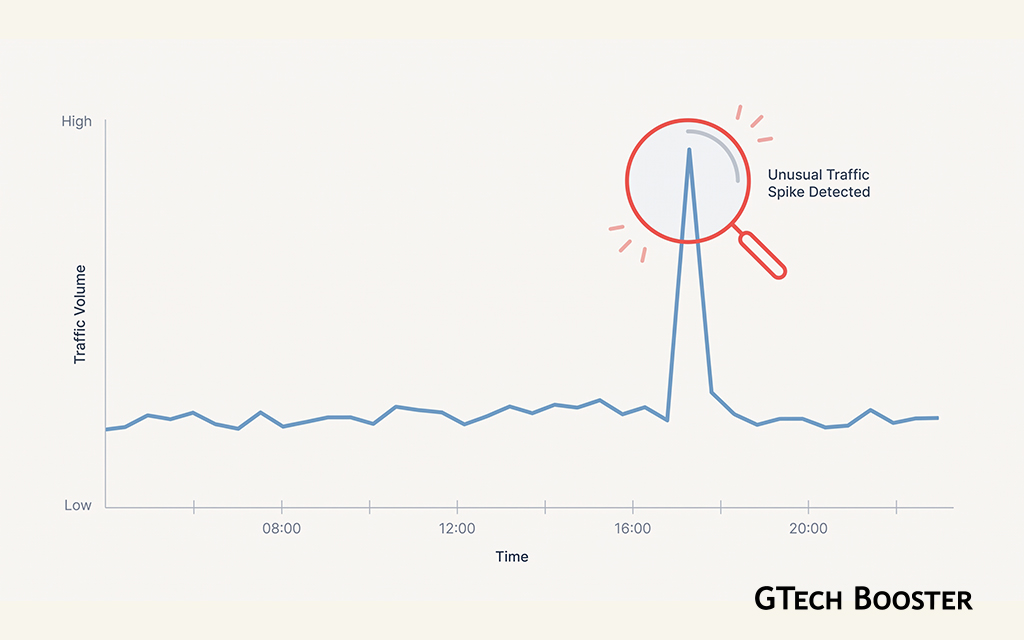
Reviewing website analytics and advertising performance data on a regular basis makes it far easier to notice unusual spikes, unexpected traffic sources, or abnormal click patterns early, before they accumulate into a larger problem.
Avoid Encouraging or Requesting Ad Clicks
Publishers should never ask visitors to click on ads, whether directly or through indirect suggestions, since doing so directly violates the terms most ad networks require and represents one of the clearest and most easily identified forms of invalid activity.
Be Cautious With Traffic Sources
Carefully vetting any paid traffic source, promotional service, or third party tool used to drive visitors to a website, and avoiding services that promise unusually large volumes of traffic for very little cost, helps reduce the risk of unintentionally introducing exactly the kind of low quality traffic ad networks are trained to flag.
Review Ad Placement Carefully
Ensuring advertisements are placed with reasonable spacing from clickable elements like navigation buttons or links, and avoiding overly cluttered page layouts, reduces the likelihood of accidental clicks from genuine visitors who never intended to interact with an advertisement in the first place.
Report Suspicious Activity
Most major ad networks provide a way for publishers to report suspected invalid traffic or suspicious activity affecting their account. Using this reporting option when unusual patterns are noticed can help demonstrate good faith awareness and cooperation, and in some cases may assist the network’s own investigation into the source of the activity.
Bringing It All Together
Invalid traffic represents any website activity that fails to reflect genuine human interest, whether generated by automated bots, accidental clicks, deliberate manipulation, or malicious attacks aimed at a specific website. Ad networks treat this issue seriously because their entire advertising system depends on maintaining trust between advertisers paying for genuine attention and publishers being fairly compensated for delivering it.
For publishers, understanding where invalid traffic tends to come from, and recognizing that it does not always stem from deliberate wrongdoing, is the first step toward protecting both earnings and account standing. Regular monitoring, cautious use of promotional traffic sources, thoughtful ad placement, and prompt reporting of suspicious activity together offer the most reliable defense against a problem that, left unnoticed, can quietly affect the stability of an otherwise entirely legitimate website.
More Information ℹ















Conversation
Login to comment.
Log In / Register