Kantanka and the CKD question – What does made in Ghana really mean?
Modern cars are built through vast supply chains. Engines, transmissions, electronics, body components and other systems can come from different manufacturers and countries before final assembly.
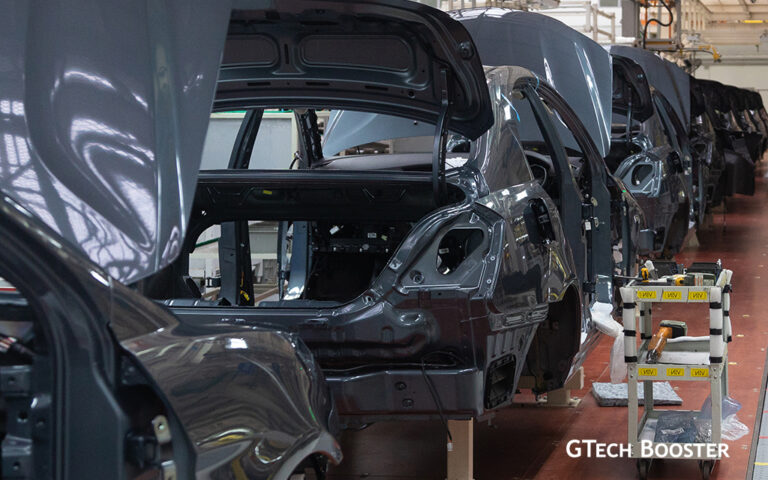
Kantanka has become one of Ghana’s most recognisable symbols of technological ambition. Yet behind the pride surrounding the brand is a question that deserves a more precise answer: what does made in Ghana actually mean when it comes to modern vehicles.
The answer begins with CKD, or completely knocked down.
CKD
A CKD vehicle is assembled from separate components rather than imported as a fully built car.
Kantanka’s own production history states that its commercial assembly facility began operations with CKD parts, while the company currently says it combines locally manufactured components with parts sourced from external.
Available evidence indicates that Kantanka assembles vehicles in Ghana rather than importing its commercial vehicles solely as fully built units. But local assembly does not mean every component is manufactured in Ghana.
The Line Between Assembly and Manufacturing
Modern cars are built through vast supply chains. Engines, transmissions, electronics, body components and other systems can come from different manufacturers and countries before final assembly.
This distinction is recognised by Ghana’s Automotive Development Policy, which separates vehicle production into SKD(Semi knocked down), enhanced SKD, CKD and fully built units. The policy is designed not only to establish local assembly capacity but also to develop skills, technology and a domestic component supply chain.
Ghana Automotive Development Policy
August 2019
Information Brief for the Ghana Automotive Development Policy Phase 2 (GADP 2)
Draft – January 2026
Kantanka therefore sits within a broader industrial reality. The key issue is not whether every part of a vehicle is Ghanaian. The more important question is: How much of the vehicle’s value is created in Ghana, and is that local capability growing?
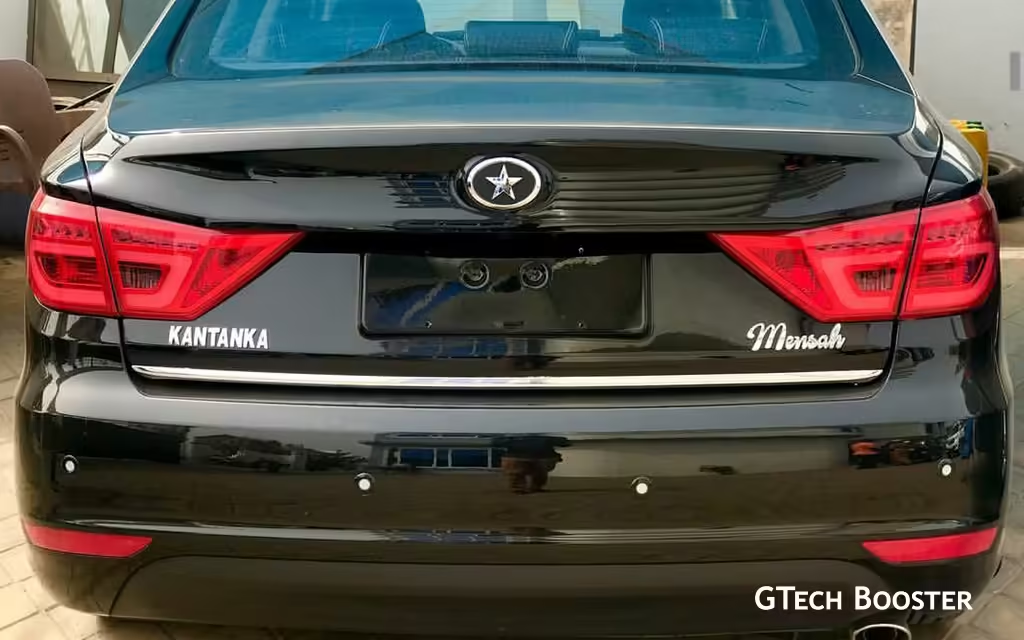
Where Kantanka stands
The most accurate description is also the least sensational. Kantanka operates a Ghana-based vehicle assembly and production facility and says it combines locally manufactured components with parts sourced from external partners. Kantanka publicly describes its Gomoa Mpota facility as carrying out processes including welding, spraying and coating, general assembly and rain testing.
However, the exact current percentage of locally produced content in Kantanka’s commercial vehicles is not publicly established through transparent, independently verifiable data. A 2025 academic analysis reached a similar conclusion, noting that while Kantanka vehicles are assembled in Ghana, the present level of local content is difficult to determine without transparent audits or third-party verification – something that is not of extream importance in current condition of market in the economy in which Kantanka exist.
This is where the debate should become more honest.
It is inaccurate to dismiss Kantanka as merely importing finished cars just because it is not making available the audited data. It is also inaccurate to assume that a Ghanaian assembly operation means the entire vehicle is locally manufactured. Both claims oversimplify the technology.
The real meaning of made in Ghana
A serious automotive industry is not defined by a badge alone. It is defined by what happens behind the badge far more than the badge even though the badge is what identifies the whole happenings.
Assembly creates jobs, technical experience, production systems and industrial knowledge. But long-term technological independence depends on moving deeper into the supply chain, producing more components locally and developing stronger engineering capability.
Ghana’s automotive policy reflects that challenge by explicitly targeting automotive skills and technology upgrading alongside the development of a local component supply chain.
That is the larger story behind Kantanka. The company has demonstrated that Ghana can sustain a domestic vehicle assembly operation. The greater test is whether that foundation can support a deeper ecosystem of local component manufacturing, engineering and technological development. An achievement that is not far fetch as is already in existence only lacking proper administration and standardisation of output.
More Information ℹ


















Conversation
Login to comment.
Log In / Register