AI Voice Cloning – When a Call From “Mum” Isn’t Really Her
Modern voice cloning systems work by studying patterns in a sample recording, including pitch, rhythm, accent, and other distinguishing vocal characteristics, and then using that analysis to generate new audio that mimics those same patterns.
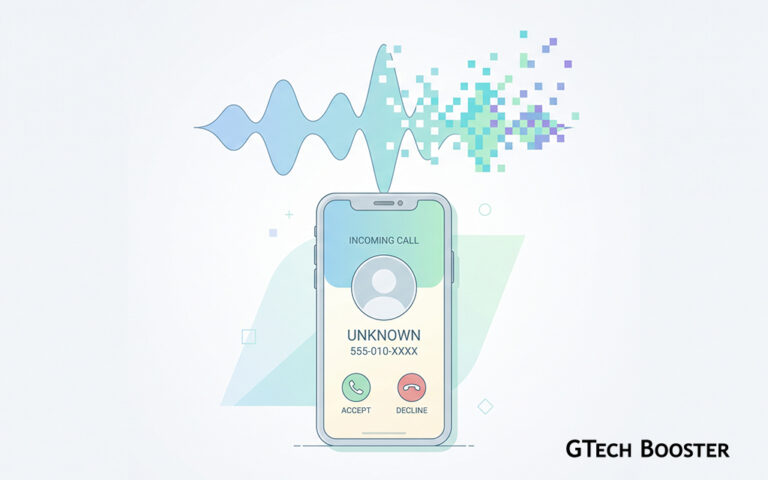
AI voice cloning refers to technology that can analyze a short sample of someone’s voice and then generate entirely new speech that sounds like that person, saying words they never actually spoke. Once used mainly in film production, video games, and accessibility tools, this technology has become dramatically more accessible in recent years, to the point where convincing voice clones can now be created using freely available tools and surprisingly small amounts of sample audio.
This shift matters far beyond entertainment or convenience. It has opened the door to a troubling new category of scam, one where a phone call that sounds exactly like a family member, using their tone, accent, and speech patterns, is not actually them at all, but a fraudster using a cloned version of their voice to manipulate whoever picks up the phone.
How a Voice Gets Cloned in the First Place
Modern voice cloning systems work by studying patterns in a sample recording, including pitch, rhythm, accent, and other distinguishing vocal characteristics, and then using that analysis to generate new audio that mimics those same patterns. Some newer tools can produce a passable imitation from just a few seconds of audio, while more convincing results typically benefit from a slightly longer sample.
The concerning part is how easily such a sample can be obtained without the person ever knowing. A voice memo shared on social media, a video posted publicly, a voicemail greeting, or even audio pulled from a video call can all potentially serve as source material. Because so many people now have some form of their voice publicly available online, whether through social media videos, podcasts, or public recordings, finding enough audio to attempt a clone has become far easier than most people realize.
How This Becomes a Scam
Voice cloning on its own is simply a technology, but it becomes dangerous when combined with the same psychological pressure tactics scammers have used for years, now made significantly more convincing.
The Emergency Phone Call Scam
The most widely reported version of this scam involves a fraudster calling a victim, often an older relative, using a cloned voice that sounds like their child, grandchild, or another close family member. The cloned voice typically claims to be in some kind of urgent trouble, such as a car accident, an arrest, a medical emergency, or being stranded while traveling, and urgently requests money be sent immediately, often specifying an unusual method of payment and asking that the situation be kept secret from other family members for a fabricated reason.
The emotional shock of hearing what sounds unmistakably like a loved one in distress is precisely what makes this scam so effective. It short circuits the kind of careful, rational thinking a person might otherwise apply to an unexpected request for money, replacing it with a rush of fear and a desire to help immediately.
Business and Workplace Variations
A related version of this scam targets businesses rather than individuals. A cloned voice, made to sound like a company executive or manager, calls or leaves a voice message for an employee, typically someone with the ability to transfer funds, and instructs them to urgently process a payment or share sensitive information, relying on the authority and familiarity of a recognized voice to bypass the kind of scrutiny a written request might otherwise receive.
Why These Calls Can Feel So Convincing
Unlike older, text based scams, which could sometimes be identified by awkward phrasing or unfamiliar writing style, a voice cloning scam exploits something deeply instinctive, the sound of a familiar voice. Human beings are remarkably attuned to recognizing the voices of people close to them, and a sufficiently accurate clone can trigger the same emotional recognition a genuine call would, even when something about the situation itself does not quite add up.
Warning Signs That a Call May Not Be Genuine
While a cloned voice can sound remarkably convincing, the underlying scam still tends to share recognizable patterns with other forms of fraud, and knowing what to watch for provides a meaningful layer of protection even when the voice itself sounds completely authentic.
Urgency and Pressure to Act Immediately
Just as with other scams, a fabricated emergency is almost always designed to prevent careful thought. A call insisting that money be sent within minutes, that no one else be told, or that normal channels of communication be avoided entirely should raise significant suspicion, regardless of how convincing the voice on the other end sounds.
Unusual Requests for Payment
Legitimate emergencies rarely require payment through unusual or hard to trace methods. A request to send money through a specific mobile money transfer, purchase gift cards, or use another nonstandard payment channel, particularly when paired with urgency, is a strong indicator of fraud.
Requests for Secrecy
Genuine emergencies do not typically require deliberately keeping other family members or trusted contacts in the dark. A caller insisting that a spouse, sibling, or other relative not be informed of the situation is using a tactic specifically designed to prevent the victim from seeking a second opinion that might expose the deception.
Slight Inconsistencies in the Conversation
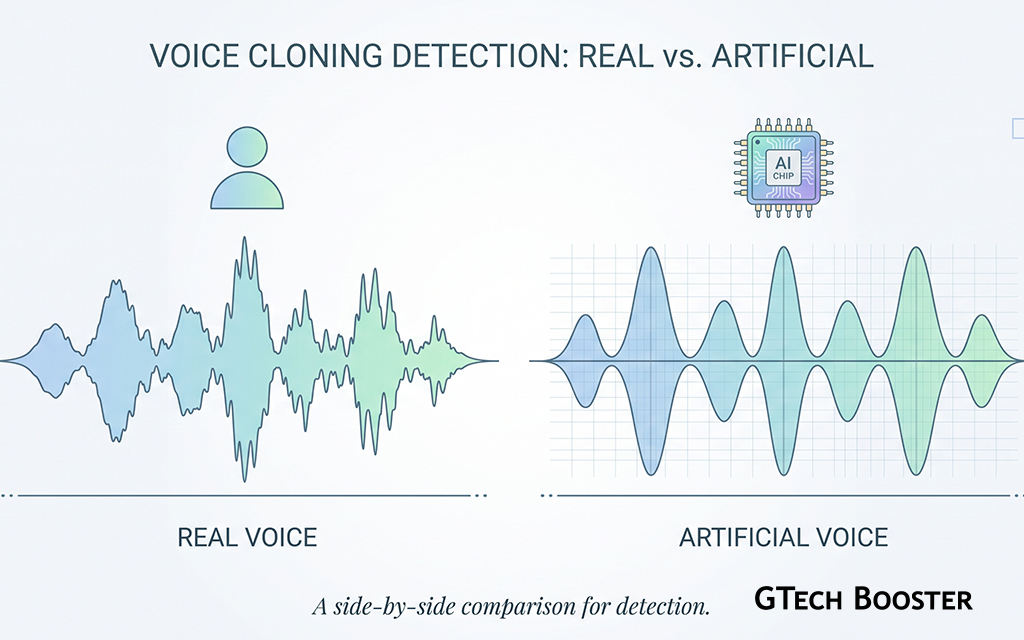
Even a very good voice clone is typically generating speech based on patterns rather than genuine real time understanding of a specific relationship’s shared history. Asking a specific, unpredictable question that only the real person would know the answer to, something not easily guessable or publicly available, can sometimes reveal inconsistency, hesitation, or an oddly generic response that does not match how the real person would actually reply.
A Voice That Sounds Right but a Story That Does Not
Even when a voice sounds entirely convincing, the overall situation described may still contain inconsistencies, such as details that do not match what you know about the person’s actual location, schedule, or circumstances at that moment. Trusting this kind of instinct, that something about the story itself feels off, remains valuable even when the voice itself provides no obvious clue.
What to Do if You Receive a Suspicious Call
If you receive a call that sounds like a loved one in distress, a few deliberate steps can help you avoid becoming a victim while still responding appropriately if the emergency turns out to be genuine.
Pause Before Reacting
As difficult as it can be in the moment, taking even a brief pause before agreeing to any request for money or sensitive information creates space to think clearly rather than react purely out of fear.
Hang Up and Call Back Directly
Rather than continuing the conversation or calling any number provided during the suspicious call, hang up and independently call the person back using a number you already have saved for them, one you know to be genuinely theirs. If they answer normally with no knowledge of the supposed emergency, the attempted call was very likely fraudulent.
Verify Through a Separate Channel
If you cannot reach the person directly, attempt to confirm the situation through another trusted contact, such as a different family member, a coworker, or a mutual friend who might reasonably know their whereabouts or situation, rather than relying solely on the original caller’s account of events.
Ask a Question Only the Real Person Would Know
If you remain on the call while trying to verify what is happening, asking a specific, personal question that a stranger or an automated voice clone would be unlikely to answer correctly can help reveal whether you are truly speaking with the person you believe you are.
Never Send Money Under Pressure
Regardless of how urgent or emotionally convincing a call feels, resist sending money, sharing financial details, or taking any irreversible action until you have independently confirmed the situation is genuine, even if that verification takes a few extra minutes.
Reducing Your Own Exposure
While it is difficult to fully prevent someone from ever obtaining a sample of your voice, particularly given how much audio and video content circulates publicly today, a few habits can meaningfully reduce risk for you and your family.
Talk About This Possibility With Family, Especially Older Relatives
Because this scam specifically preys on the instinctive trust triggered by a familiar voice, simply being aware that voice cloning scams exist significantly reduces their effectiveness. Having an open conversation with family members, particularly older relatives who may be less familiar with this kind of technology, about the existence of this scam and the importance of verifying before sending money, is one of the most effective protective steps available.
Establish a Family Verification Method
Some families choose to agree on a private, simple verification question or code word in advance, something that would never be discussed publicly or guessable from social media, to be used specifically in the event of an unexpected emergency call. Knowing this word or answer in advance, and confirming it before taking any action, adds a reliable layer of protection that does not depend on recognizing subtle flaws in a cloned voice.
Be Mindful of Publicly Shared Voice and Video Content
While it is not realistic to avoid all public sharing of your voice, being generally mindful of how much lengthy, clearly spoken audio or video content is publicly accessible, particularly content that is easy for anyone to download, can somewhat reduce the amount of raw material available for cloning attempts.
Bringing It All Together
AI voice cloning has introduced a genuinely new and more emotionally convincing dimension to a scam pattern that has existed for years, the fabricated emergency designed to pressure someone into sending money quickly, without time to think it through. What makes this version particularly dangerous is not a new manipulation tactic itself, but the way a familiar, trusted voice can now be convincingly recreated, triggering an instinctive emotional response that can override the usual caution people apply to unexpected requests.
The most reliable defense does not depend on being able to detect subtle flaws in an artificial voice, since the technology continues to improve. Instead, it depends on the same core habit that protects against nearly every urgent, secretive request for money, pausing, independently verifying through a channel you control, and never letting urgency alone dictate a financial decision, regardless of how real the voice on the other end sounds.
More Information ℹ


















Conversation
Login to comment.
Log In / Register