Deepin Linux – a gorgeous alternative to Windows
The distribution is designed for personal computing and is known for its elegant user interface and user-friendly experience.
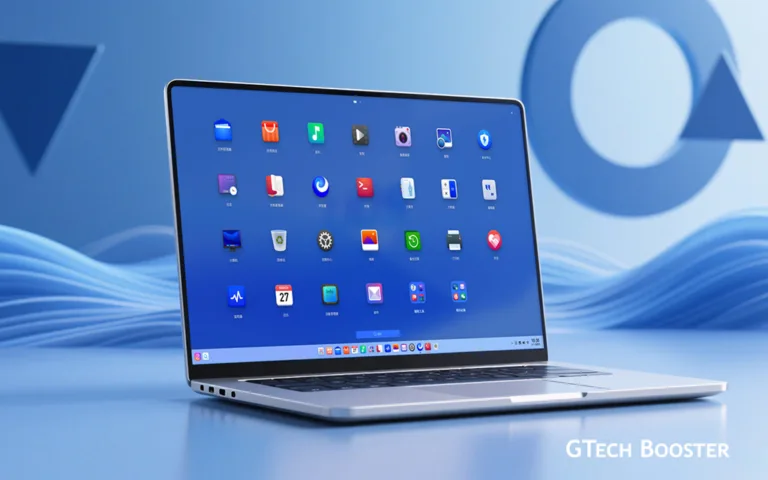
Deepin Linux was created in 2004 (specifically, its first release, Hiwix 0.1, came out on February 28, 2004). Started as Hiweed Linux (also called Hiwix), renamed to Deepin in 2008. Wuhan Deepin Technology Co., Ltd., a Chinese company established in 2011. Debian-based (was Ubuntu-based until version 15 in late 2015) with the Deepin Desktop Environment (DDE) based on Qt 5 toolkit.
Deepin is a Linux distribution developed by Wuhan Deepin Technology Co., Ltd., originally based on Ubuntu and now on Debian. It features the Deepin Desktop Environment (DDE), known for its user-friendly interface and aesthetic design, and is primarily targeted at personal computing.
Overview of Deepin
The distribution is designed for personal computing and is known for its elegant user interface and user-friendly experience. Deepin 15 release switched to Debian base in 2015, and Became first Chinese open-source desktop OS with root community in 2022.
Key Features
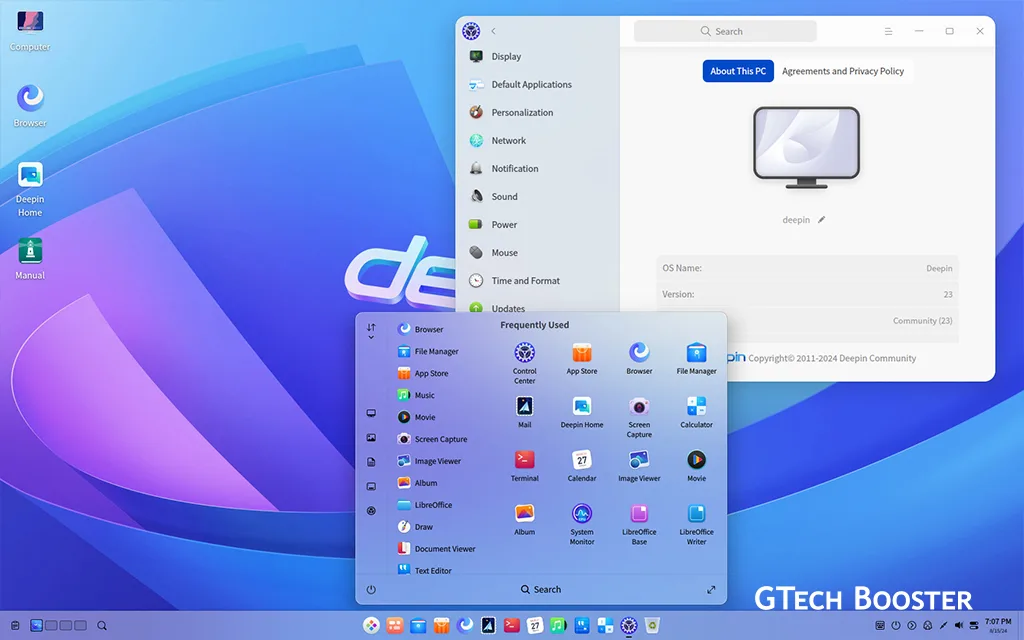
Deepin Desktop Environment (DDE)
Aesthetic Design: DDE is recognized for its beautiful and intuitive interface. User-Friendly: The environment is tailored to enhance user interaction and ease of use.
Applications
Deepin includes a variety of applications developed by its team, such as:
Deepin File Manager
Deepin Music
Deepin Movie
Deepin Software Center
Deepin Terminal
The operating system also supports popular applications like Google Chrome and Spotify.
System requirement
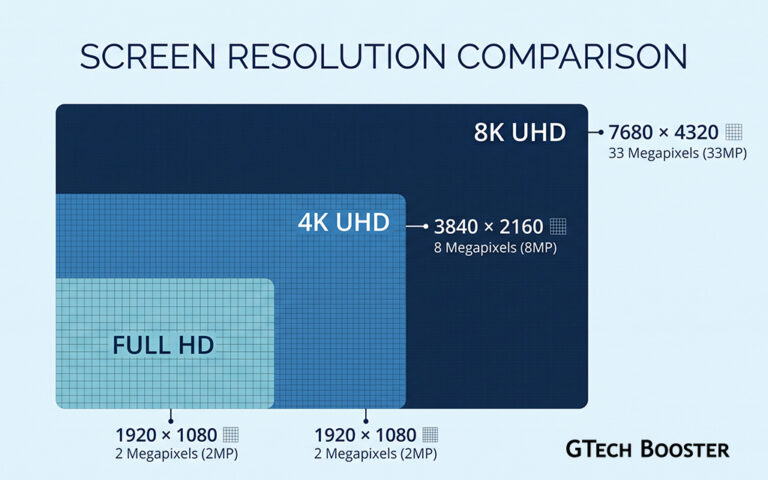
The recommended system requirements for installing Deepin Linux are a 2.0GHz multi-core processor, 8GB of RAM, at least 64GB of available disk space (preferably on an SSD), and a display resolution of 1920×1080 or higher. Minimum requirements include a 4GB RAM and a compatible processor.
Deepin supports multiple processor architectures, including:
Architecture Supported
- x86-64 Yes
- ARM64 Yes
- RISC-V Yes
- LoongArch Yes
- Development and Community
How it compare to Ubuntu and other distributions
Deepin Linux is known for its beautiful user interface and strong localization for Chinese users, making it appealing for those who value aesthetics and ease of use. However, it may not be as widely recommended as Ubuntu or Fedora due to security concerns and a less extensive software ecosystem compared to these more established distributions.
knightli.com serverspace.io
Advantages and Disadvantages currently known
The Deepin Desktop Environment (DDE) is praised for its elegant design, ease of use, and reliability, with features like automatic screen brightness adjustment, customizable themes, and a user-friendly system settings interface. It supports multiple processor architectures (x86-64, ARM64, RISC-V, LoongArch64) and integrates AI tools in recent versions.
However, mixing DDE with other desktop environments (like KDE Plasma) can cause conflicts, and some users report stability issues when not using the official Deepin OS.
Deepin Technology has been active in improving the distribution, with a focus on user feedback and community engagement. The company also generates revenue through technical support services.
Deepin is continuously evolving, with recent updates enhancing hardware support and integrating new features like AI tools in its applications.
More Information ℹ










Conversation
Login to comment.
Log In / Register