A guide to effective link building
Master the art of earning high-authority backlinks. Discover actionable white-hat strategies, digital PR tactics, and safe practices to build sustainable SEO rankings.
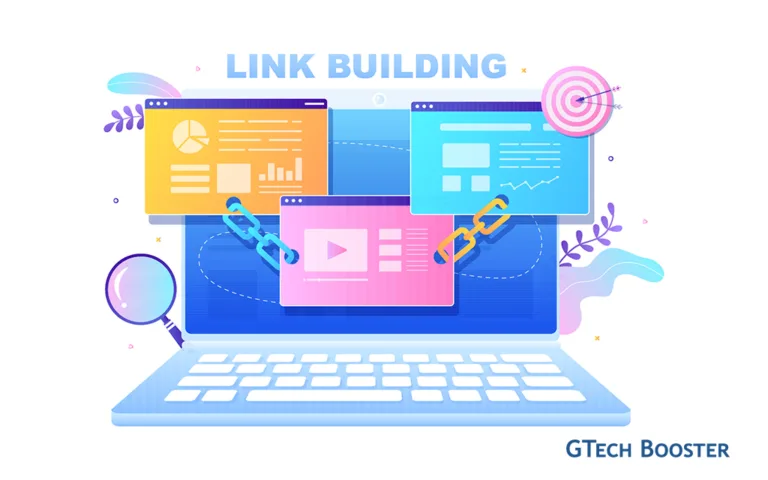
In the modern SEO landscape, link building is no longer a numbers game. Search engines and AI discovery engines have become incredibly sophisticated at detecting patterns; they aggressively reward genuine authority and actively penalize artificial link schemes.
To rank effectively today, you must move away from simply “building” links and focus entirely on earning them through relevance, digital PR, and strategic content assets.
Here is a step-by-step guide to executing a highly effective, white-hat link-building strategy.
1. Create “Linkable Assets” (The Foundation)
Before you send a single outreach email, you must have content on your site that genuinely deserves a link. If your content looks just like everything else on the first page of Google, nobody has a reason to cite it. Proprietary Data and Original Research: Run a survey, compile industry statistics, or analyze public data sets. Journalists and bloggers constantly search for statistics to back up their claims, and they will link to you as the primary source. Free Interactive Tools: Build a simple calculator, a custom generator, or a free template download. Practical utilities naturally attract links because people find them helpful enough to share with their own audiences. The “Ultimate” Guide: Write a definitive, deeply exhaustive guide on a complex topic in your niche. Make it so thorough that other bloggers would prefer to link to your guide rather than spend 20 hours writing their own explanation.
2. Leverage Digital PR and Journalist Matching
Getting a single link from a major news outlet or an industry-leading publication can carry more ranking power than 50 links from low-tier blogs. Expert Quote Services: Use platforms like Connectively (formerly HARO) or Featured.com. Journalists use these platforms daily to find expert sources. When you provide a concise, high-quality answer to their prompt, they will often feature your quote alongside a high-authority backlink. Data-Driven Pitching: When you launch original research, package it into a 150-word pitch. Reach out to journalists who specifically cover your industry and offer them an exclusive first look or a clear, embeddable infographic illustrating the results.
3. Execute High-Yield “Quick Wins”
If you are looking for highly repeatable tactics that yield predictable results without massive upfront content creation, focus on these two strategies:
A. The Backlink Gap Tactic
Your direct competitors have already laid out a roadmap of sites willing to link to businesses in your niche.
- Plug your URL and your top three competitors into a tool like Semrush or Ahrefs.
- Filter for “Link Intersect” or “Backlink Gap” to find websites that link to all of your competitors but not to you.
- Reach out to those editors. Because they clearly link to multiple players in your space, they are already primed to accept your content if it adds distinct value.
B. Turning Unlinked Brand Mentions into Links
People may already be talking about you online without giving you credit.
- Set up alerts using tools like BuzzSumo or Google Alerts for your brand name, product names, or executive names.
- When a site mentions your brand but forgets to hyperlink it, send a polite email thanking them for the feature and asking if they would mind turning the mention into a clickable link so their readers can easily find you.
4. Master the Art of the Personalized Pitch
Mass-blasting generic email templates to hundreds of webmasters will quickly land your domain in the spam folder. Modern outreach requires extreme personalization.
The Anatomy of a Perfect Outreach Email:
- Keep it under 150 words: Editors are busy; get straight to the point.
- Establish context: Mention a specific article they wrote and why you enjoyed it.
- State the value add: Do not just ask for a link. Explain exactly how adding your link improves their article for their readers.
- Follow up once: Send one polite follow-up 48 to 72 hours later. If they don’t reply, move on.
5. Monitor Your Anchor Text Distribution
When you do land links, the text used to hyperlink to your site (anchor text) tells search engines exactly what your page is about. However, over-optimizing this text looks highly manipulative. Maintain a natural, healthy mix:
| Anchor Type | Example | Usage Strategy |
| Branded | YourBrandName | Should make up the majority of your profile; highly safe. |
| Naked URL | yourdomain.com | Completely natural; common when people cite sources quickly. |
| Partial Match | learn wordpress development | Mixes your target keyword with natural phrasing. |
| Exact Match | wordpress plugin | Use very sparingly. Too many exact matches trigger spam filters. |
Guardrails: Practices to Avoid
To protect your website from receiving algorithmic or manual search penalties, strictly avoid the following:
- Private Blog Networks (PBNs): Networks of fake sites built solely to link to a main site are easily caught and de-indexed by modern spam algorithms.
- Buying Cheap Links: Buying packages of links on Fiverr or sketchy platforms will result in links from “link farms”—dead sites with zero real traffic that pass absolutely no authority.
- Automated Comment/Forum Spam: Dropping your link into random blog comment sections or unmoderated forums does not pass SEO value and actively hurts your brand reputation.
Ultimately, effective link building is not about tricking an algorithm; it is about establishing real-world digital relationships and creating content that is genuinely worth referencing. By shifting your focus from chasing raw numbers to building true industry authority, you create a sustainable backlink profile that algorithmic updates won’t compromise. Keep your outreach personalized, prioritize value for the reader, and let your content earn the visibility it deserves.
More Information ℹ










Conversation
Login to comment.
Log In / Register