The Unlikely Birth of PlayStation and what the future holds for gaming
The story of PlayStation begins not with Sony, but with Nintendo, and one of the most consequential business breakups in tech history.
The story of PlayStation begins not with Sony, but with Nintendo, and one of the most consequential business breakups in tech history.
In the late 1980s, Nintendo was the undisputed king of home gaming. The NES had conquered living rooms worldwide, and the Super Nintendo was on its way. Nintendo needed a CD-ROM add-on for the SNES to compete with the growing storage capabilities of the format. They turned to Sony; specifically a Sony engineer named Ken Kutaragi – to build it.
Kutaragi was an outlier inside Sony. He was a hardware engineer who genuinely loved video games at a time when Sony’s corporate culture considered them beneath the company’s dignified brand image. Legend has it he secretly helped Nintendo improve the sound chip on the original NES without his Sony superiors knowing — a move that could have ended his career but instead convinced Nintendo he was the right partner. When Sony and Nintendo formalised their CD-ROM collaboration, the plan was to release a device called the “Play Station” — a CD-ROM peripheral for the SNES that Sony would manufacture and that would also be able to play standalone CD-ROM games under Sony’s own licensing terms.
Then Nintendo walked away.
At the Consumer Electronics Show in June 1991, Sony announced the Play Station partnership publicly on a Monday. On Tuesday, Nintendo announced a competing deal with Philips for their CD-i system instead. The humiliation was very public and very deliberate. The reasons are still debated — Nintendo reportedly had concerns about the licensing terms in the original contract, which gave Sony unusually broad control over CD-ROM software; but the outcome was clear. Sony had been left standing at the altar on a global stage.
Ken Kutaragi Turns Humiliation Into a Console
Most companies would have quietly walked away. Sony’s leadership largely wanted to. But Kutaragi saw the situation differently. He argued internally that Sony should build its own standalone gaming console — not a peripheral, not a partnership, but a Sony-owned gaming platform from the ground up. The response from Sony’s executive class was largely hostile. Gaming was seen as low-brow, a toy business unworthy of the Sony brand that had built the Walkman, the Trinitron television, and the Discman.
Kutaragi found a champion in Norio Ohga, Sony’s president at the time, who gave him a lifeline; not inside Sony’s main consumer electronics division, but through Sony Music. The project was essentially hidden in a music subsidiary where it could operate without constant interference from the core business. Kutaragi and a small team built what would become the PlayStation from that protected corner of the company, with Kutaragi earning the nickname “The Father of PlayStation.”.
The original PlayStation launched in Japan in December 1994, and in North America and Europe in 1995. Nothing about the launch was guaranteed. Sony had no history in gaming, no established relationships with developers, and no IP of its own. What it had was a CD-ROM format that could hold vastly more data than cartridges, an open licensing model that welcomed third-party developers rather than controlling them the way Nintendo did, and hardware designed with developers’ needs in mind rather than Nintendo’s secretive, proprietary approach.
Why the First PlayStation Succeeded Against All Odds
Several factors aligned that Nintendo and Sega hadn’t anticipated.
The CD-ROM advantage was real and significant. Where a Super Nintendo cartridge held a few megabytes, a PlayStation CD held around 650MB. This meant full motion video, orchestral soundtracks, voiced dialogue, and cinematic storytelling were suddenly possible. Final Fantasy VII which had been a Nintendo franchise moved to PlayStation precisely because its creators at Square needed the storage capacity that only CD-ROM could provide. That single defection changed the perception of PlayStation overnight.
Sony’s approach to third-party developers was revolutionary for the time. Nintendo maintained extraordinarily tight control over who could publish for their platforms, how many games a publisher could release per year, and what content was acceptable. Sony welcomed virtually everyone with relatively straightforward licensing terms. The floodgates opened and the PlayStation library grew rapidly with games from studios that had felt suffocated by Nintendo’s approach.
The marketing was also unlike anything gaming had seen. Sony targeted young adults rather than children, positioning PlayStation as cool, edgy, and culturally relevant through advertising campaigns that felt more like music videos than toy commercials. The “Do Not Underestimate the Power of PlayStation” campaign and the memorable double life advertisement spoke to a generation that had grown up on NES and was now in their late teens and twenties. Gaming was no longer just for kids.
Sony Computer Entertainment and the Structure Behind It
To properly manage the console business, Sony established Sony Computer Entertainment (SCE) in 1993, with Kutaragi as its driving force. This separate subsidiary structure was crucial; it allowed the gaming business to develop its own culture, its own developer relationships, and its own identity without being constantly pulled back into the priorities of Sony’s consumer electronics divisions.
Regional arms were established as the PlayStation expanded Sony Computer Entertainment America (SCEA) and Sony Computer Entertainment Europe (SCEE), giving the platform local management and marketing capacity in its key markets. This regional structure would prove important as gaming preferences and market conditions varied significantly between Japan, North America, and Europe.
Kutaragi himself rose through the company as PlayStation succeeded, eventually becoming President and CEO of Sony Computer Entertainment and a Vice Chairman of Sony Corporation, a remarkable ascent for someone whose gaming obsession had nearly cost him his career. He retired in 2007, having overseen the PlayStation 1, 2, and 3 and established Sony as one of the two dominant forces in home gaming.
The Name, the Logo, and the Identity
The original “Play Station” name from the Nintendo collaboration lost its space and became PlayStation as Sony’s standalone product. The iconic triangles, circles, crosses, and squares on the controller — often assumed to be arbitrary; were actually deliberately designed by the hardware team. The circle represents “yes” in Japanese gaming convention, the cross represents “no”, the triangle represents a viewpoint or direction, and the square represents a document or menu. The symbols gave Sony’s controller an identity distinct from anything Nintendo or Sega had produced and became one of the most recognised symbols in popular culture.
The boot-up sequence of the original PlayStation — the spinning grey logo followed by the distinctive chime — became one of the most nostalgically powerful sounds in gaming history, imprinted on a generation of players in the same way the Nintendo startup sound was for the generation before.
From There, the Console Wars Began in Earnest
PlayStation 1 (1994) — The Console That Changed Everything
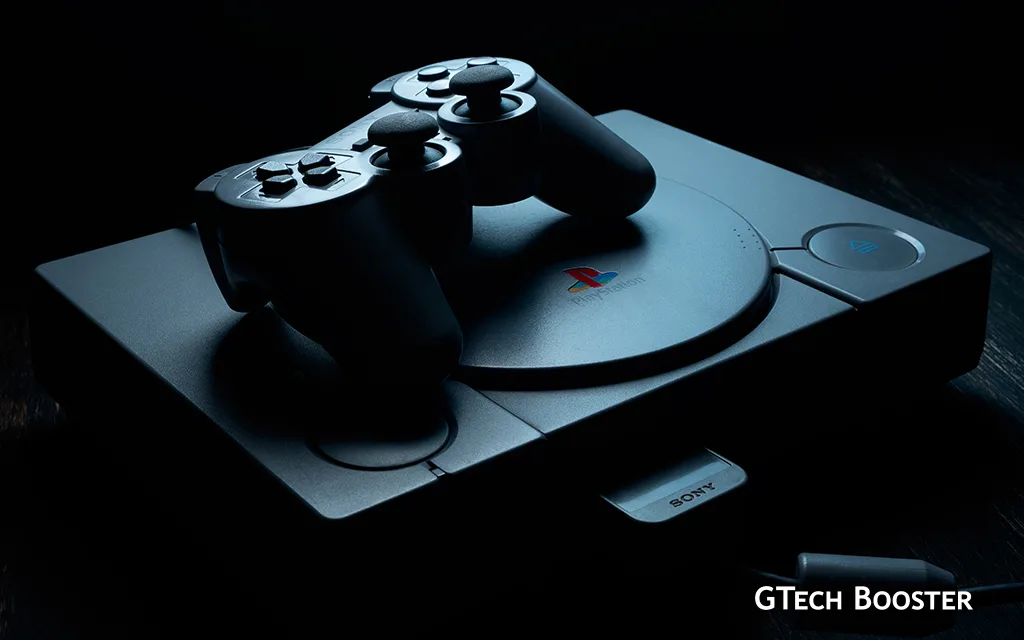
PlayStation didn’t just enter the gaming market in 1994 — it redefined it. Sony came into a space dominated by Nintendo and Sega and did something neither had fully committed to: bet on CD-ROM technology, third-party developers, and a broader cultural audience. The original PlayStation brought games like Final Fantasy VII, Metal Gear Solid, Resident Evil, Gran Turismo, and Crash Bandicoot to a generation that didn’t necessarily think of itself as “gamers.” Over 100 million units sold. The template was set.
PS2 (2000) — The Best-Selling Console in History
The PlayStation Portable (PSP) — 2004/2005
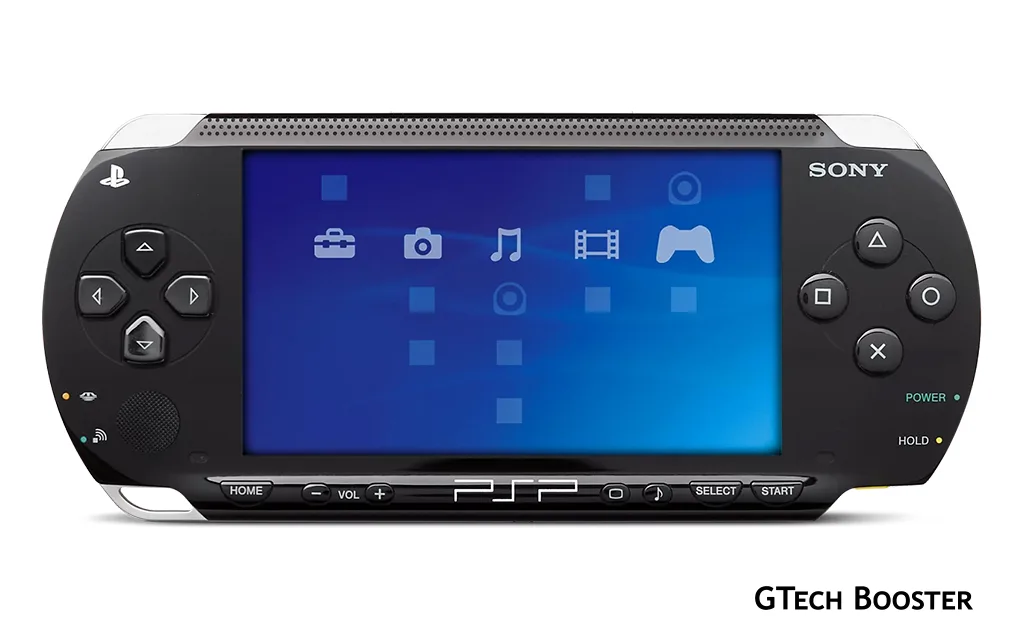
Sony’s first foray into handheld gaming was audacious by any measure. When the PSP launched in Japan in December 2004 and worldwide in 2005, the handheld market was essentially Nintendo’s territory. The Game Boy had dominated for fifteen years, and the Nintendo DS had just launched. Sony walked in with a device that looked nothing like any handheld before it; a wide, sleek, cinematic machine with a 4.3-inch widescreen LCD display at a time when most phones had tiny screens and handheld games were designed around small square displays.The PSP was Ken Kutaragi’s vision of what a portable PlayStation should be. Not a compromise, not a stripped-down console experience, but a genuine multimedia device that happened to play games. It could play music, display photos, browse the internet via WiFi, and crucially, play UMD movies — Sony’s proprietary Universal Media Disc format. Sony was attempting to establish UMD as a portable video standard the way it had successfully pushed Blu-ray and before that, the CD-ROM.
The hardware was genuinely impressive for its era. The PSP ran on a custom MIPS processor, had a dedicated GPU, and could render 3D graphics that comfortably matched PlayStation 1 quality and in some cases approached PS2 territory. Games like Grand Theft Auto: Liberty City Stories, God of War: Chains of Olympus, Monster Hunter Freedom Unite, Crisis Core: Final Fantasy VII, and Metal Gear Solid: Peace Walker showed that full-scale PlayStation experiences were genuinely possible on a handheld.The PSP sold around 80 million units over its lifetime — a significant number by any standard, but consistently overshadowed by the Nintendo DS which sold over 154 million. The core tension was never resolved: the PSP was an extraordinary piece of hardware that never quite escaped the shadow of its own ambition. UMD as a movie format failed almost immediately. The device was expensive, its games were expensive, and its primary audience in Western markets was older teens and young adults who were also being pulled toward increasingly capable mobile phones. In Japan the story was different — Monster Hunter on PSP became a genuine cultural phenomenon, with players gathering in public spaces for local multiplayer sessions that defined a generation of Japanese gaming culture.The PSP spawned several revisions.
The PSP-2000 (Slim & Lite) in 2007 was thinner and lighter. The PSP-3000 in 2008 added a microphone and improved screen. The PSP Go in 2009 was Sony’s boldest and most controversial revision — a sliding screen design with no UMD drive, relying entirely on digital downloads at a time when the infrastructure for that simply wasn’t ready. It launched at a higher price than the standard PSP and was widely considered a commercial failure, though it foreshadowed the all-digital direction gaming would eventually take. The PSP-E1000, released only in Europe in 2011, was a budget model that stripped out WiFi entirely; a strange decision that puzzled the market.
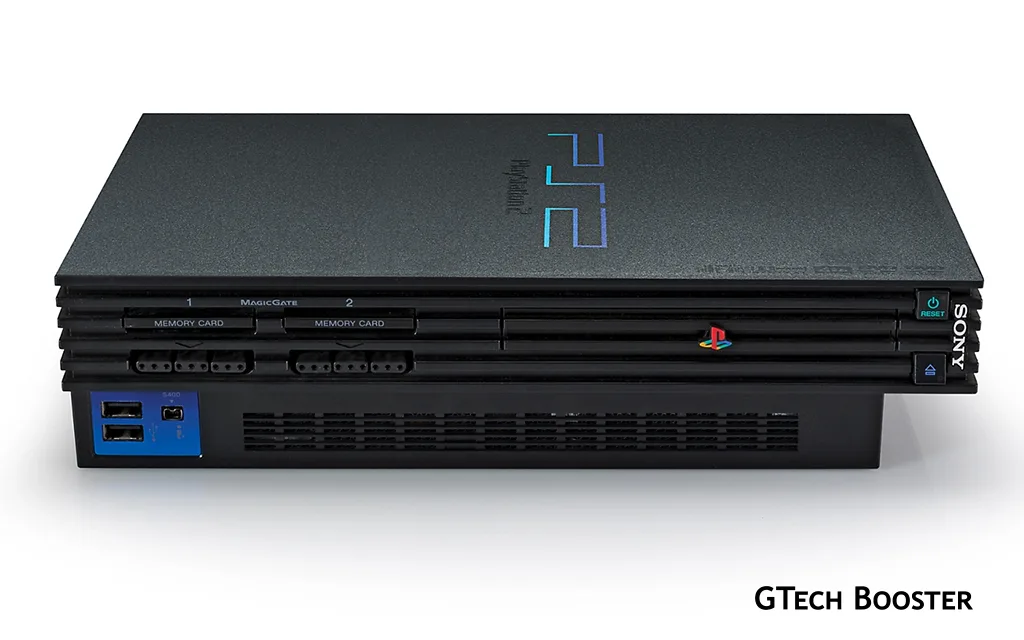
The PS2 remains the best-selling console of all time at over 155 million units. It succeeded for reasons that had as much to do with business strategy as gaming: it doubled as a DVD player at a time when standalone DVD players cost significantly more. The library was staggering — GTA: San Andreas, Shadow of the Colossus, God of War, Kingdom Hearts, Devil May Cry, ICO, Ico, Tekken, Pro Evolution Soccer. It became the centre of the living room rather than just a gaming machine.
PS3 (2006) — The Expensive Stumble That Still Delivered
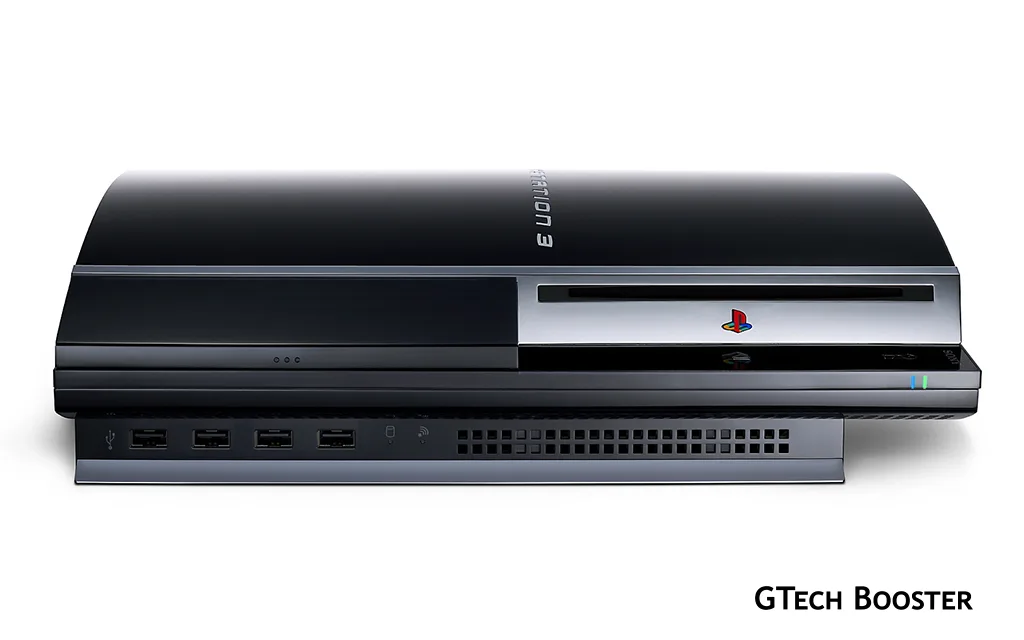
The PS3 was Sony’s most turbulent launch. A $599 price tag, a notoriously difficult Cell processor that made third-party development painful, and a slow first two years. But Sony weathered it. The PS3 eventually built a library that included The Last of Us, Uncharted, LittleBigPlanet, Demon’s Souls, and Killzone — and it introduced PlayStation Network, laying the foundation for Sony’s online infrastructure. The Blu-ray player built in, once again, gave it hardware utility beyond gaming.
PlayStation Vita — 2011/2012
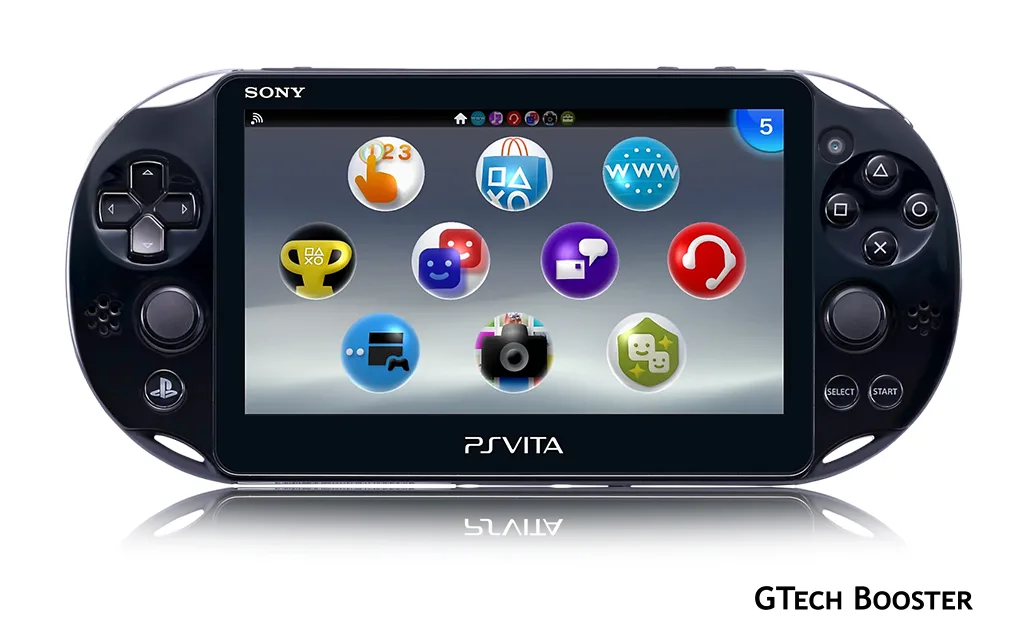
The PS Vita was, in many people’s assessment, the best handheld Sony ever made and one of the most capable portable gaming devices ever built. It was also, commercially, a disappointment that Sony slowly abandoned — a cautionary tale about hardware excellence without ecosystem support.
Then several things went wrong simultaneously.
First-party support collapsed faster than almost anyone expected. Sony had positioned the Vita as a device that would receive console-quality Sony first-party games, but within a year or two of launch the message shifted. Major PlayStation Studios stopped developing for Vita. There was no God of War, no Gran Turismo, no Naughty Dog title, no full Uncharted sequel. The most memorable Vita games — Persona 4 Golden, Killzone: Mercurial, Tearaway, Freedom Wars, Soul Sacrifice — were either ports, remasters, or third-party titles, many of them Japanese.
The proprietary memory card situation was a slow-burning disaster. Sony’s decision to use its own Vita memory cards rather than standard microSD or flash storage drove prices to absurd levels. A 32GB Vita memory card cost almost as much as the console itself in some markets. For a device that was pushing digital downloads as a key feature, this was a fundamental contradiction that frustrated consumers and developers alike.
The 3G model, sold in partnership with AT&T in the US, was limited to a service that couldn’t even support online gaming — an extraordinary limitation for a device being marketed as a connected handheld. Microsoft never directly competed in the handheld space, but the smartphone revolution did what no competitor could. The iPhone 4S and the growing Android ecosystem were reaching performance levels that, for casual gaming purposes, were good enough. The market that the Vita needed — adults willing to carry a dedicated gaming device — was shrinking faster than Sony could build its Vita library.
Sony quietly reduced first-party support, shifted the Vita to a third-party and indie device, and eventually stopped producing physical Vita cards for Western markets in 2019. The digital storefront remained open until July 2021 when Sony shut down the ability to purchase content on the Vita store, though already-purchased content remained accessible. Total Vita sales are estimated at around 15 to 16 million units commercially far below the PSP and a shadow of what Sony had hoped.
The Vita’s legacy is complicated. In Japan it remained viable far longer than in Western markets, sustained by a devoted audience for JRPGs, visual novels, and portable versions of games like Minecraft and Minecraft Story Mode. Among enthusiasts it remains beloved — the hardware quality, the OLED screen on the original model, and the library of Japanese games make it a highly valued collector’s item. It also found a second life as a remote play device for the PS4, which Vita owners used extensively even as the dedicated game library dried up.
PS4 (2013) — The Generation Sony Won Decisively
The Pioneering First Generation PS VR (2016)
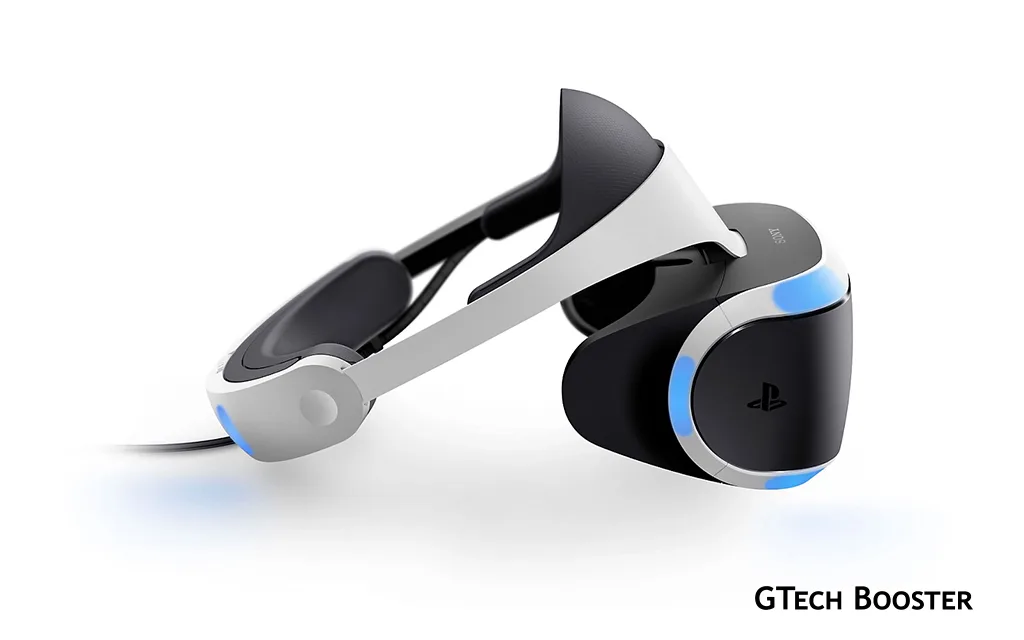
Released in 2016, the original PlayStation VR was designed specifically for the PlayStation 4, though players can still use it on the modern PlayStation 5 by utilizing a special camera adapter. This first-generation headset relied on the external PlayStation Camera to track the player’s physical movements, pairing the visual feed with either the older PlayStation Move wand controllers or a standard DualShock 4 gamepad.
Despite its reliance on aging tracking technology, the original headset was incredibly successful because it made high-quality virtual reality highly accessible to millions of everyday console owners without requiring an expensive PC. It built a massive, celebrated library of experiences over its lifespan, featuring standout exclusive titles such as Astro Bot Rescue Mission, Blood & Truth, and Marvel’s Iron Man VR.
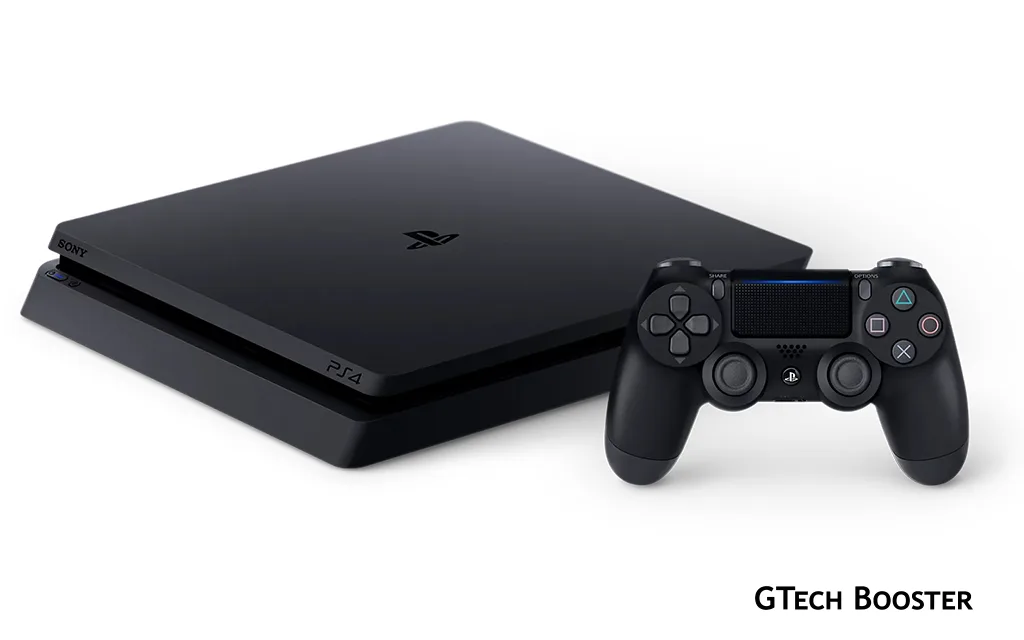
The PS4 was the result of Sony learning every lesson the PS3 taught it. Developer-friendly architecture, a $399 launch price, a simple message — “For the Players” — and a launch that arrived at exactly the right moment when Microsoft fumbled its Xbox One reveal. Sony sold 117 million PS4 units. The first-party output was extraordinary: Bloodborne, Spider-Man, God of War (2018), Horizon Zero Dawn, The Last of Us Part II, Ghost of Tsushima, Death Stranding, Persona 5. The PS4 era cemented PlayStation as a destination for prestige single-player storytelling.
PS5 (2020) — Powerful, Promising, and Slow to Find Its Stride
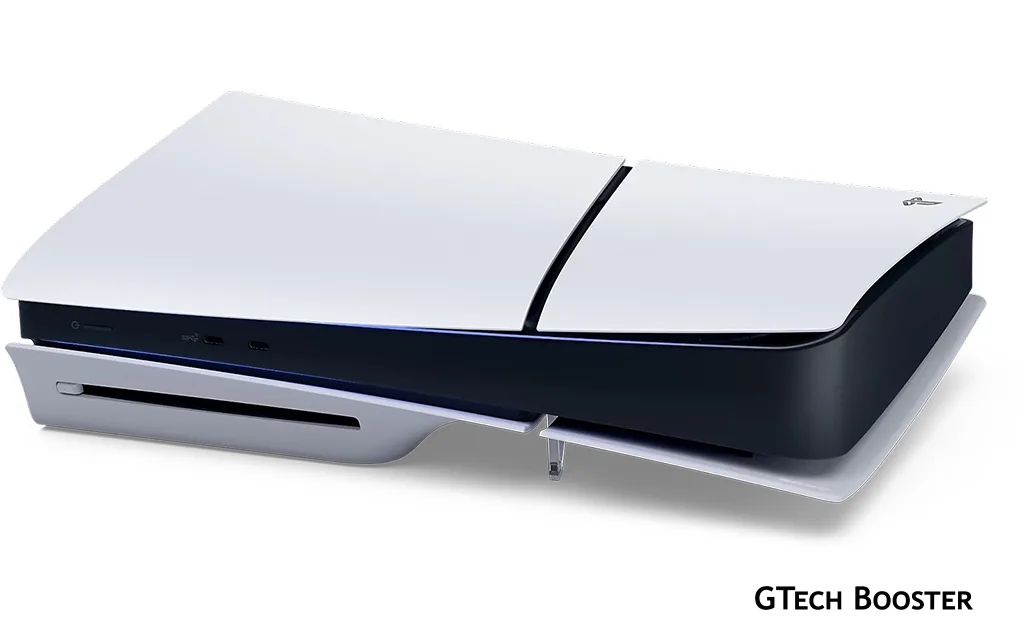
The PS5 launched with genuine technical ambition — the custom SSD delivering near-instant load times, the DualSense haptic feedback creating a new dimension of physical immersion, and Astro’s Playroom showing what next-gen could feel like. But supply shortages plagued its first two years, and the first-party release cadence was slower than expected. It’s been a sluggish generation, and with a few too many live-service bets failing to pay off, regrouping around what the company has always excelled at feels like the most sensible course of action.
The PS5 Pro launched in 2024 at $699, bringing significantly improved GPU performance, advanced ray tracing, and Sony’s AI-powered upscaling technology PSSR. 2026 is shaping up as a bumper year for PS5 owners, with games like Marvel’s Wolverine and Phantom Blade Zero on the horizon, plus GTA 6 — with its November 2026 launch locked — which will no doubt drive hardware sales given players’ historical association of GTA with PlayStation.
The Modern PlayStation VR2 (2023)
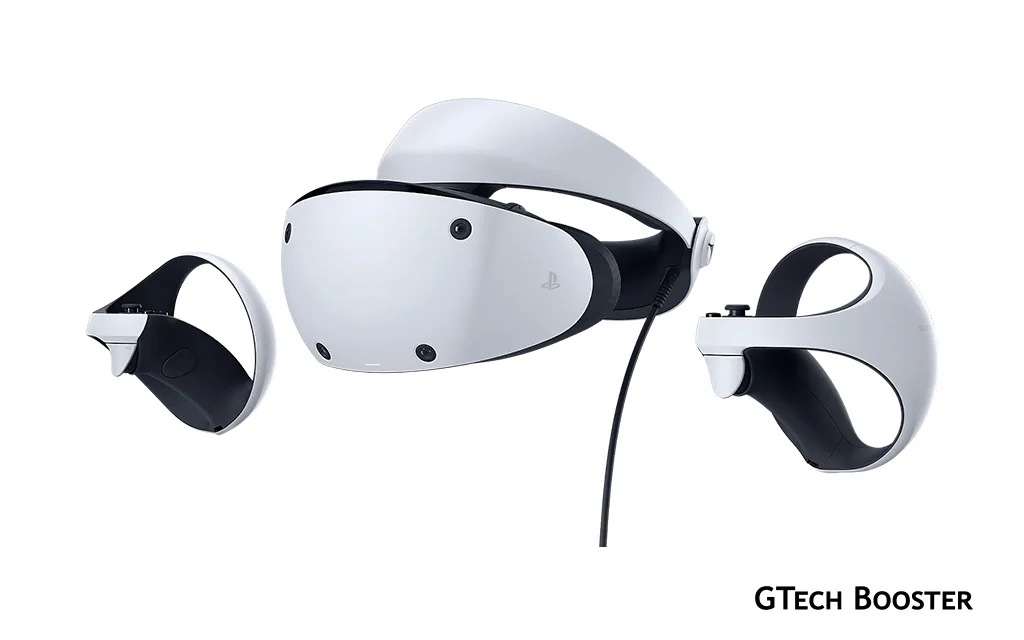
In early 2023, Sony introduced the PlayStation VR2, marking a massive technological leap forward. Built exclusively to harness the graphical power of the PlayStation 5, this current-generation headset boasts major internal upgrades. Players are treated to crisp 4K HDR OLED displays, advanced eye tracking, and unique headset feedback that physically vibrates during intense gameplay moments.
The control scheme also saw a complete and much-needed overhaul. Sony introduced the new VR2 Sense controllers, which incorporate the highly praised haptic feedback and adaptive triggers found in the standard PS5 DualSense controllers. Furthermore, the overall user experience was vastly improved. The bulky external processor boxes and tangled cords of the first generation were entirely eliminated, replaced by a seamless, single-cable USB-C setup. This streamlined system currently powers acclaimed modern VR titles like Horizon Call of the Mountain, Gran Turismo 7, Resident Evil Village, and Beat Saber.
PlayStation Mobile — The Smartphone Experiment
Between the PSP and Vita era and the present, Sony made several attempts to extend PlayStation into the smartphone space that are often forgotten but worth understanding.
PlayStation Mobile (originally PlayStation Suite) was launched in 2012 as a platform for delivering PlayStation-certified games on Android devices and the Vita. The idea was to certify certain Android smartphones as “PlayStation Certified” devices that could run a curated library of PlayStation Mobile games — simple, mostly 2D experiences with a PlayStation aesthetic. The service launched with modest ambitions and ended with even more modest results. Sony shut down PlayStation Mobile in 2015, citing the difficulty of competing in a smartphone gaming market increasingly dominated by free-to-play titles and the App Store/Google Play infrastructure.
Sony’s Xperia Play — released in 2011 — was perhaps the most direct attempt to merge PlayStation and smartphones. The Xperia Play was an Android smartphone with a sliding gamepad built into it, officially PlayStation-certified and marketed directly as a gaming phone. It had physical buttons, analogue touch pads in place of traditional sticks, and a curated library of PlayStation-compatible titles. Critics found the touch pads inadequate compared to proper analogue sticks, the hardware otherwise unremarkable for its price, and the game library thin. It sold poorly and was not followed up. In retrospect it was ahead of a trend — gaming phones like the ASUS ROG Phone and Razer Phone would later prove there was appetite for the concept, just not the execution Sony managed in 2011.
PlayStation Portal — 2023 and Its Evolution
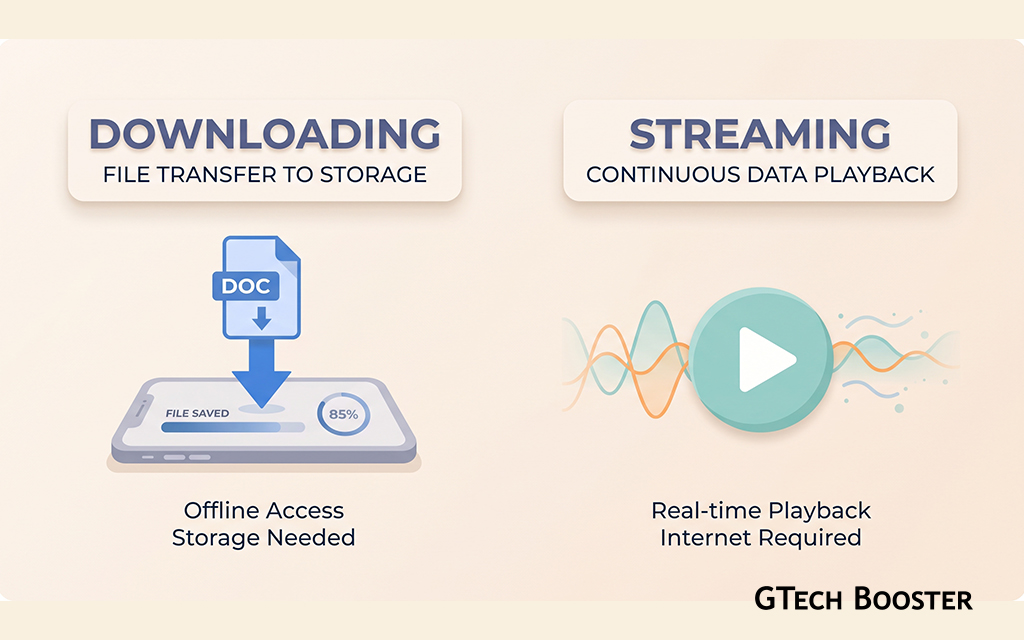
The PlayStation Portal, released in November 2023, is a fascinating reframing of Sony’s handheld ambitions. Rather than an independent gaming device, it is a remote play peripheral — a screen with DualSense controls built around it that streams PS5 games over WiFi to wherever you are. At $199 it targeted the significant audience of PS5 owners who wanted portable access to their console library without Sony having to build, price, and support an entirely new gaming platform.
The PlayStation Portal has been getting major updates, which feels like a push towards a bona fide ecosystem of products rather than a standalone accessory. Sony has since added cloud streaming capability to the Portal, meaning it can now access PS5 games without a home console running — a significant shift from its launch functionality.
The Handheld That May Still Be Coming
A successor of sorts to the PlayStation Portable and PS Vita has been rumoured for a while. If Sony is working on a dedicated gaming handheld to complement the PS Portal, it’ll arrive during a competitive time as the Nintendo Switch 2 has broken sales records, the ASUS Xbox ROG Ally already allows you to play PC ports of PlayStation Studios titles on the go, and other major manufacturers have also released their own PC gaming handhelds.
The logic for a true PlayStation handheld has arguably never been stronger. The Switch proved that the hybrid console-handheld market is enormous. The PC handheld market with the Steam Deck, ROG Ally, and Legion Go has demonstrated adult appetite for portable high-quality gaming. And Sony’s own PlayStation Studios library — now arriving on PC — creates a software catalogue that a Sony handheld running a version of the PS5 architecture could access without requiring developers to create separate handheld-specific versions.
Whether Sony commits to a true standalone handheld or doubles down on the Portal’s remote-play-plus-cloud model is one of the most interesting strategic questions hanging over the PlayStation brand right now. The Vita’s failure burned Sony badly enough that the company has been cautious for over a decade. But the market has changed dramatically, and leaving the portable space entirely to Nintendo while PC handhelds eat into casual gaming time is a risk with its own consequences.
The PS6 — What We Know
Sony has maintained a remarkably consistent release cadence — PS3 in 2006, PS4 in 2013, PS5 in 2020 — a near-perfect seven-year gap each time. Applying that pattern points to a 2027 window, but leaks and insider reports now suggest 2028 or even 2029 is more realistic, partly due to rising RAM costs and the complexity of next-gen silicon
The hardware ambition is significant. Leaked specs point to a custom AMD APU on TSMC’s 2nm process, AMD Zen 6 CPU architecture, GDDR7 RAM, and RDNA 5 GPU architecture — with rasterisation performance roughly three times the base PS5, and ray tracing performance potentially 6 to 12 times better. AMD and Sony co-developed a machine learning initiative called Project Amethyst specifically focused on the PS6’s ray tracing capabilities.
On pricing, most estimates from credible sources currently place the PS6 between $500 and $700, though some observers have pushed that as high as $700 to $900 depending on the memory situation. The PS5 Pro’s $699 launch price may have set a new psychological ceiling for PlayStation hardware.
Expanding Beyond the Console
While initially locked entirely to the PlayStation 5 ecosystem, the PSVR2 expanded its reach in late 2024. Sony released an official PC adapter, allowing players to connect their headset directly to a compatible gaming PC. While a few specific PlayStation-exclusive hardware features; like eye-tracking and headset rumble do not carry over to PC games, this move successfully bridged the gap between console convenience and the incredibly expansive PC VR gaming library.
The Broader Future of PlayStation Gaming
Several structural shifts are underway that go beyond hardware specs:
Sony is quietly becoming a multi-platform publisher. Sony has slowly but steadily left behind the idea of keeping its biggest games trapped inside a console. With PC rising as a battlefield that can’t be ignored and third-party titles making up for internal pipeline struggles, the “console wars” have become a thing of the past.
PlayStation Studios games now routinely arrive on PC months or years after console release — and that window is narrowing.
The live-service bet largely failed. Sony invested heavily in games-as-a-service and cancelled multiple projects. The strategy hasn’t been abandoned — Marathon launched in March 2026 and Fairgames is still in development — but the ambition has been recalibrated significantly.
AI is becoming central to the hardware roadmap. PSSR (PlayStation Spectral Super Resolution), currently only on the PS5 Pro due to its hardware requirements, will be a defining feature of the PS6. PS5 architect Mark Cerny confirmed that how Sony and AMD work together on AI-powered upscaling could be one of the biggest differentiators of the next console generation.
A PlayStation handheld is widely rumoured. A successor to the PlayStation Portable and PS Vita has been rumoured for a while — if Sony is working on a dedicated gaming handheld to complement the PS Portal, it’ll arrive during a competitive time as Nintendo Switch 2 has broken sales records and other manufacturers have released PC gaming handhelds.
The Defining Question for PlayStation’s Future
The honest tension Sony faces is this: as games become more expensive to develop, as PC erodes console exclusivity, and as cloud gaming slowly matures, what exactly is a PlayStation console for? The answer Sony has consistently bet on — extraordinary first-party storytelling, world-class hardware engineering, and a curated ecosystem — has worked for thirty years. Whether that answer holds in a world where GTA 6 ships to every platform simultaneously, where Xbox games arrive on PS5, and where a $700-plus console competes against $50-a-month cloud subscriptions is the question the PS6 era will have to answer.
With that foundation established, the corporate origin, the Kutaragi story, the Nintendo betrayal, the developer-friendly philosophy, and the cultural positioning; the PS2, PS3, PS4, PS5 and the road to PS6 all make much more sense as chapters in a single ongoing story rather than isolated hardware generations. Each console was shaped by the lessons and scars of the one before it, and the DNA of what Kutaragi built in that protected corner of Sony Music in the early 1990s runs through everything PlayStation has become since. The full PlayStation story, properly told, is a hardware story running on two tracks simultaneously; the living room and the pocket – and what happens next on both tracks will define the next chapter of one of gaming’s most important franchises. As the new dawn begins time would reveal.
More Information ℹ










Conversation
Login to comment.
Log In / Register