Used EV Imports – What to Check Before You Buy
In a petrol car, the engine and gearbox hold most of the value. In an EV, the battery pack often accounts for a third or more of the car’s total value.
Why this matters more than the price tag
Used electric vehicles are becoming one of the most attractive ways to cut fuel and servicing costs, especially where petrol prices keep rising. Many buyers now look abroad, to Japan, the UK, Europe, China or the US, because the same car can cost far less there. The catch is that an EV is not just a car with a different engine. Its most expensive part, the battery, wears out in ways you cannot see from the outside, and a mistake can cost thousands of dollars. This guide walks you through every check worth making so you understand what you are buying and can avoid the common traps.
Understand what makes a used EV different
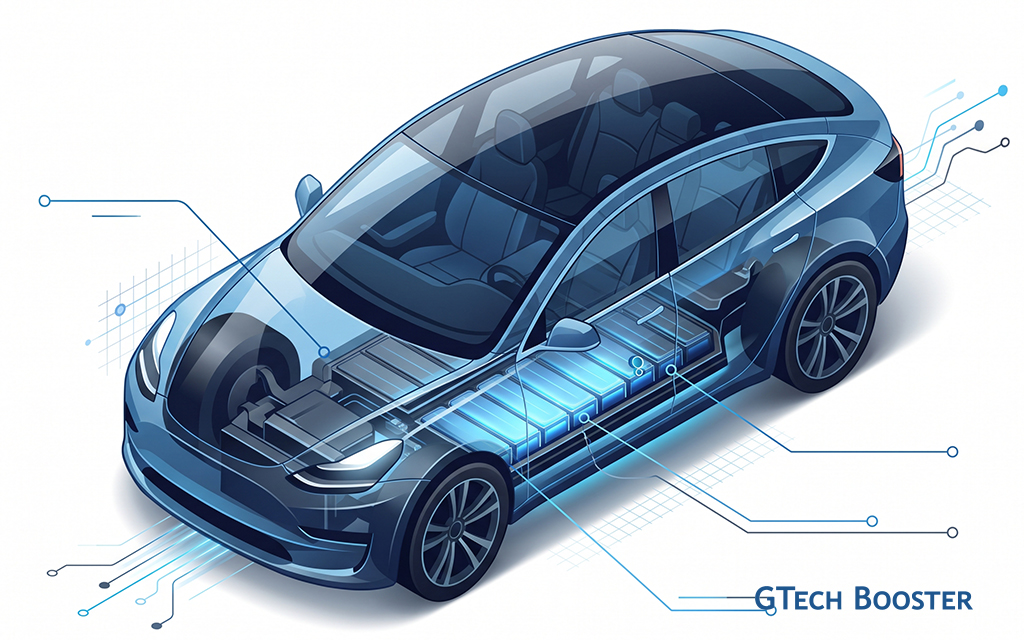
The battery is the real purchase
In a petrol car, the engine and gearbox hold most of the value. In an EV, the battery pack often accounts for a third or more of the car’s total value. Batteries lose capacity gradually with age, heat, fast charging and the number of charge cycles. A car that looks perfect but has a tired battery will give you a short driving range and a heavy repair bill. Everything else in this guide supports one goal: knowing the true condition of that battery before you pay.
Fewer moving parts, different risks
EVs have no oil changes, spark plugs or exhaust systems, so routine maintenance is cheaper. But they have their own weak points: the battery, the onboard charger, the cooling system for the battery, the high voltage cables and the software. These are specialist items, and many local mechanics are not yet trained to repair them.
Check the battery health first
Ask for the State of Health (SoH) figure
State of Health is a percentage showing how much of the battery’s original capacity remains. A battery at 90% SoH holds roughly 90% of the energy it held when new, so a car that originally went 300 km per charge would now manage about 270 km. As a rough guide, 90% and above is excellent, 80% to 90% is acceptable if the price reflects it, and below 75% usually means a replacement is coming soon.
Do not rely on the dashboard alone
The range estimate on the dashboard is a guess based on recent driving, not a measurement of battery health. Sellers can charge the car to full, drive gently and present an optimistic number. Ask for a proper battery health report instead. Many models can be tested with an OBD diagnostic tool and a compatible app, and some manufacturers provide an official battery certificate through a dealer. For Nissan Leaf models, for example, the dashboard shows battery capacity bars, and the number of bars lost is a useful first clue. Ask an independent technician to run the test, not the seller.
Look at the battery warranty
Many manufacturers give an eight year or 160,000 km warranty on the battery, usually guaranteeing around 70% capacity. Find out whether that warranty is still active and, importantly, whether it transfers to a new owner and remains valid in your country. Warranties are often void once a car is exported, so confirm this in writing with the manufacturer or dealer rather than trusting the seller’s word.
Ask about charging habits
Frequent rapid DC charging produces more heat and can age a battery faster than slow home charging. A car that spent its life charging slowly overnight is usually in better condition than a former taxi that was rapid charged several times a day. Ask for the age, the mileage and how the car was used.
Verify the car’s history and identity
Confirm the VIN and the paperwork
The Vehicle Identification Number, or VIN, is a 17 character code that identifies the car. Check that it matches across the logbook or export certificate, the windscreen plate and the door pillar sticker. Any mismatch is a serious warning sign. Ask for the original registration documents and the deregistration or export certificate from the country of origin.
Request a history report
Services such as vehicle history checkers for UK, Japanese and European cars can show previous owners, accident records, recorded mileage and outstanding finance. Use them. Mileage tampering is common on imported cars, and a history report is one of the few ways to catch it.
Check for accident and flood damage
Look for uneven gaps between body panels, mismatched paint, overspray on rubber seals and new bolts on old panels. A crash can damage the battery casing underneath the car, and damaged high voltage cables are a fire and shock risk. Water damage is also a concern: check for damp carpets, rust on seat rails, a musty smell and moisture in the headlights. Ask for clear photos of the underside of the car, including the battery casing.
Inspect the car yourself, or have someone do it
Hire an independent inspector
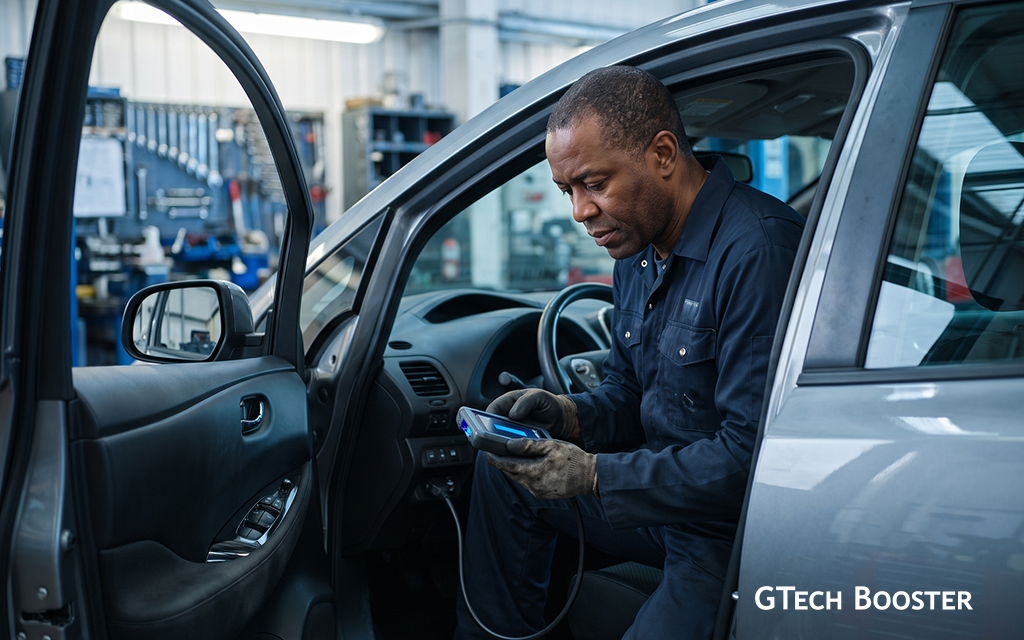
If you cannot see the car in person, pay for an independent inspection by a qualified third party in the exporting country. This usually costs a small fraction of the car’s price and can save you from a very expensive mistake. Ask for a written report with photos and a battery test result, and make sure the inspector has no financial link to the seller.
What a good inspection should cover
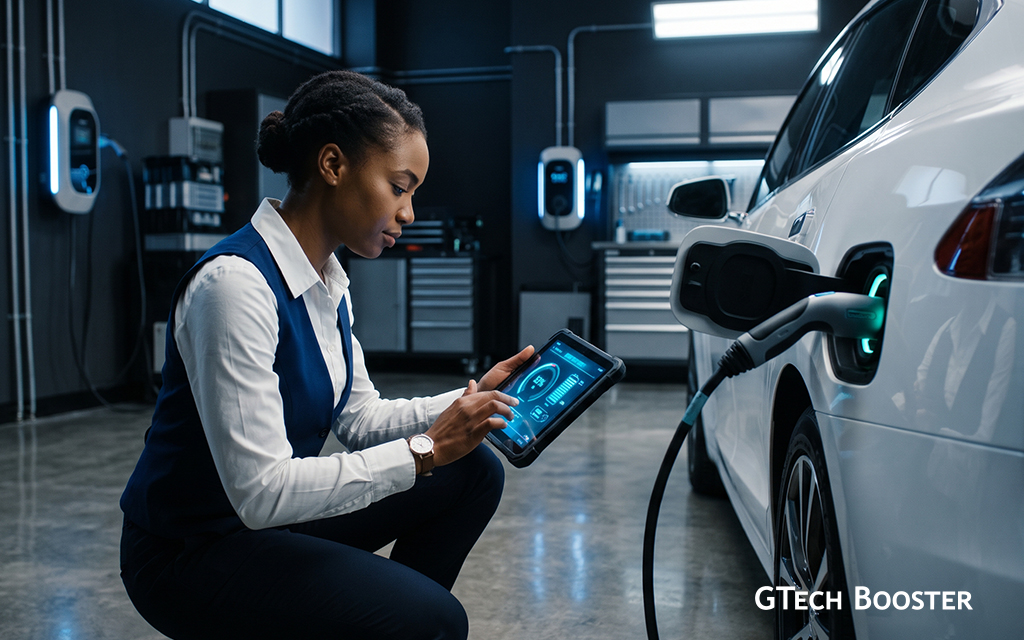
Ask the inspector to check the following:
- Battery State of Health, using a diagnostic tool
- Underbody and battery casing condition
- Charging port, including pins, seals and signs of burning
- Charging cable and any adapters included
- Tyres, brakes and suspension, since EVs are heavy and wear tyres faster
- Air conditioning and the battery cooling system
- Warning lights on the dashboard
- Software version and whether updates have been applied
Take it for a test drive when possible
If you can drive it, check that acceleration is smooth and silent, that the regenerative braking works, and that no warning messages appear. Charge it, if possible, using both a normal socket and a fast charger to confirm both systems work.
Make sure it will actually work where you live
Check the charging standard
Charging ports differ by region. Japanese cars often use CHAdeMO for fast charging, European cars commonly use CCS, and some Chinese models use GB/T. If the fast charging standard in your car does not match the chargers in your country, you may be limited to slow home charging unless you buy an adapter. Find out what is installed locally before you buy.
Think about electricity supply
Many EVs need a steady power supply for home charging. In places where power cuts are frequent or voltage fluctuates, consider a surge protector, a wall box charger installed by a qualified electrician, and possibly a solar and battery backup. Work out how many kilometres you drive daily and whether home charging can realistically cover it.
Consider heat, roads and range
A car designed for cool Japanese or European weather may lose range in hot climates because the air conditioning and battery cooling work harder. Rough roads can also strain suspension and underbody components, so check ground clearance if your roads are poor. Be realistic: if the stated range is 200 km when new and the battery has degraded, plan for far less in real use.
Understand the full cost of importing
Count every cost, not just the car
The purchase price is only the beginning. Add the shipping cost, insurance during transit, port charges, customs duties and taxes, clearing agent fees, registration and any inspection fees. Import duty rules for EVs vary by country and change often, and some governments offer reduced duties on electric vehicles while others do not. Check the current rules with your customs authority before you commit.

Check age and import restrictions
Many countries limit the age of imported used vehicles, commonly to between eight and ten years from the date of manufacture. A car that is a bargain abroad can become illegal or heavily taxed if it exceeds the limit by the time it lands. Confirm the rules and the cutoff date for your country in writing.
Plan for parts and servicing
Before buying, find out whether a workshop near you can service that specific model, and whether parts are available. Popular models with a large global market, such as the Nissan Leaf, Tesla Model 3 and Hyundai Kona, are usually easier to maintain than rare imports. Ask about the price of a replacement battery so that you know the worst case.
Protect yourself in the buying process
Use a trusted seller and a safe payment method
Scams targeting overseas buyers are common. Be cautious of prices that look too good to be true, sellers who refuse inspections or video calls, and requests to pay by untraceable methods. Prefer registered dealers with verifiable reviews and a physical address, and use secure payment arrangements such as escrow or a bank transfer to a company account matched to the seller’s registered name.
Get everything in writing
The sales agreement should state the VIN, model year, mileage, battery condition, what is included such as charging cables, and what happens if the car arrives different from the description. Save all messages, photos and receipts.
A simple checklist before you pay
Before sending any money, you should be able to answer yes to each of these questions:
- Do I know the battery State of Health from an independent test?
- Does the VIN match every document and the car itself?
- Have I seen a vehicle history report with no red flags?
- Has an independent inspector confirmed the underbody and battery casing are intact?
- Will the car’s charging port work with chargers available to me?
- Do I know the full landed cost, including duty and taxes?
- Is the car within my country’s age limit for imports?
- Can someone nearby service and repair this model?
- Is the payment method safe and the agreement in writing?
Final thoughts
A used EV import can be an excellent decision when you buy with knowledge instead of hope. Focus first on the battery, confirm the car’s identity and history, make sure it suits your local charging and road conditions, and count every cost. Taking an extra week to verify these points is far cheaper than discovering a dying battery after the car has crossed an ocean.









Conversation
Login to comment.
Log In / Register