
Indonesia bans Social media for 16years olds and lower
The policy was issued as Ministerial Regulation No. 9 of 2026, a derivative of Indonesia Government Regulation No. 17 of 2025 — known as PP Tunas — which targets major social networks and gaming platforms to shield minors from digital threats.

Indonesia’s Ministry of Communication and Digital Affairs signed a binding regulation on March 6, 2026, banning children under 16 from accessing social media, with enforcement beginning March 28, 2026.
The Regulation

The policy was issued as Ministerial Regulation No. 9 of 2026, a derivative of Indonesia Government Regulation No. 17 of 2025 — known as PP Tunas — which targets major social networks and gaming platforms to shield minors from digital threats. Indonesia is taking a risk-based, age-gated approach: children aged 13 and older may use platforms deemed “lower-risk,” while “higher-risk” platforms are restricted to users 16 and above.
Platforms Named as “High-Risk”
The eight platforms specifically named are
- YouTube,
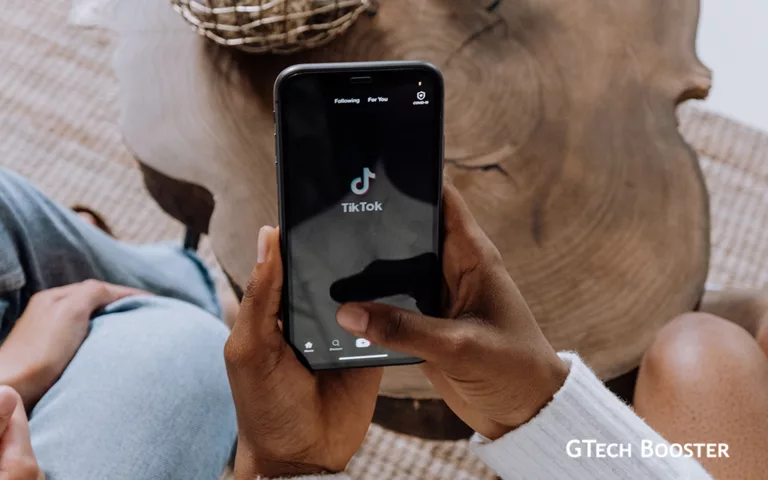
- TikTok,
- Facebook,
- Instagram,
- Threads,
- X (formerly Twitter),
- Roblox, and
- Bigo Live — a live-streaming platform based in Singapore.
What Happens to Existing Accounts
Existing accounts belonging to users under 16 will be deactivated starting March 28, 2026.
Why Indonesia Did This
Minister Meutya Hafid described the move as a necessary intervention in what she called a “digital emergency,” adding that “the government is stepping in so that parents no longer have to fight alone against the giants of algorithm-driven platforms.”
The government, referencing UNICEF figures, stated that around half of Indonesia’s children have encountered sexual content on social media platforms, and 42% admitted the experience made them feel frightened or uncomfortable. Cyberbullying, online fraud, and addiction were also cited as key drivers.

Penalties for Platforms
Failure to comply may result in written reprimands, administrative fines, temporary suspension of services, or permanent blocking from the Indonesian market. Crucially, the regulation does not impose sanctions on children or parents — penalties target the digital platforms themselves for failing to meet child protection obligations.
Why This Is Significant
Indonesia is the first non-Western country to implement such restrictions. The country has a population of 287 million — ten times the population of Australia — and more than 174 million Indonesians have Facebook accounts, the fourth-largest national user base in the world.
Social media bans in Indonesia and India, with their youthful populations and rapidly expanding economies, would deal a significant blow to global online platforms’ long-term growth plans.
How Platforms Responded
TikTok said it was “engaging with the ministry to better understand the provisions,” while YouTube said it was reviewing the regulation and would “continue to engage constructively with the government.” Meta said it had not yet received the official regulation text and argued that “parents should decide which apps their teens use,” pointing to its existing Teen Accounts as safeguards — though Indonesia’s regulation does not recognise platform-designed parental controls as a substitute for account deactivation.
The Global Trend
Australia implemented the world’s first under-16 social media ban in December 2025. Malaysia is moving toward a similar ban. Singapore is taking a “scaffolding” approach with Age Assurance Requirements rather than an outright ban. Thailand is drafting rules to bar under-14s from personal accounts. France, Spain, Italy, Denmark, and Greece are jointly testing a prototype age verification app. The UK launched a public consultation on a similar ban in early 2026. French President Emmanuel Macron publicly welcomed Indonesia’s move.
Indonesia’s ban is part of the fastest-moving wave of children’s digital regulation the world has seen — and with 287 million people behind it, it may be the most consequential test of whether these policies can actually be enforced at scale.
More Information ℹ

Gabby














Be polite and constructive with your point.