Why your Solar Panels might be failing — and how Smart Inverters can fix it
Yet many homeowners and businesses sometimes discover years too late that their solar systems are underperforming, degrading faster than expected, or failing outright.
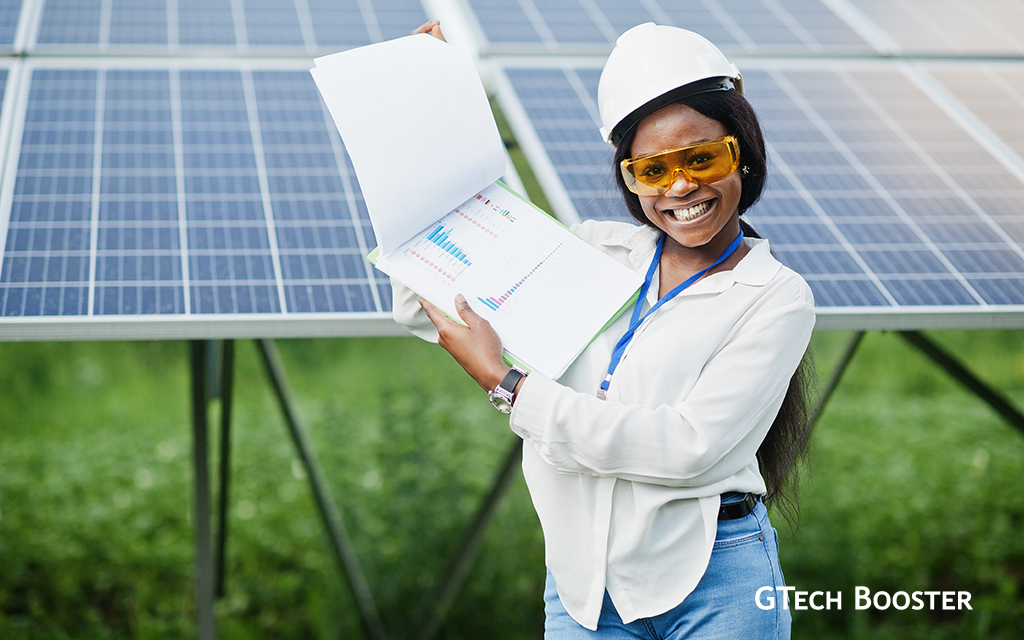
Solar energy is supposed to be simple: sunlight in, electricity out. Yet many homeowners and businesses sometimes discover years too late that their solar systems are underperforming, degrading faster than expected, or failing outright. In most cases, the problem isn’t the panels. The problem rather is the inverter.
The Silent Weak Point in Most Solar Systems
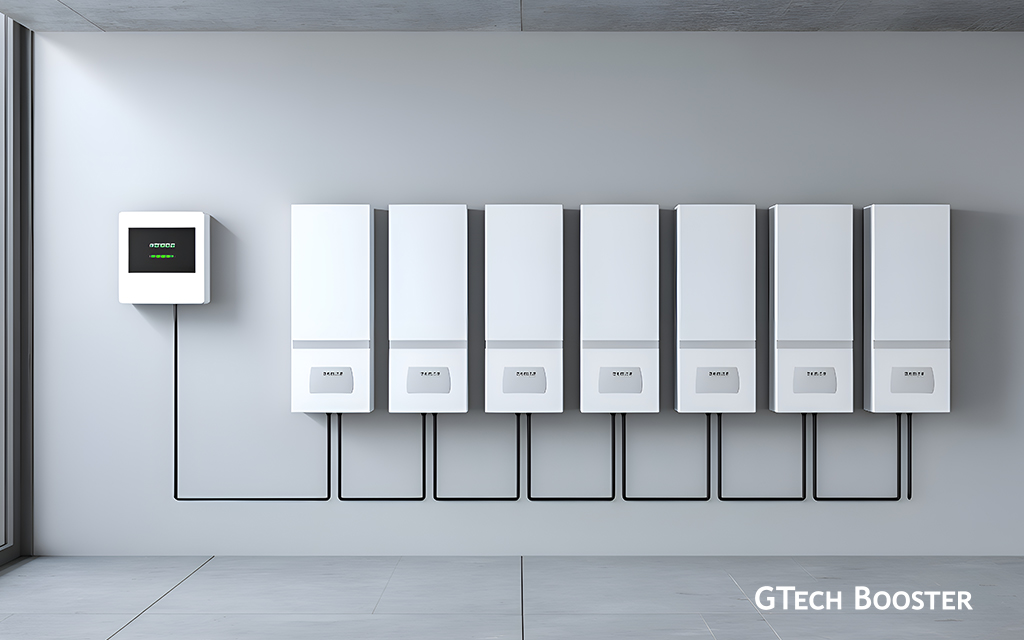
Solar panels generate DC (direct current) electricity, but homes, offices, and national grids run on AC (alternating current). The inverter is the translator in the middle—and when it’s outdated or poorly designed, the entire system suffers.
Common signs your solar system may be failing
- Power output is far lower than projected
- Frequent system shutdowns
- Voltage fluctuations damaging appliances
- Poor performance during partial shading or cloudy conditions
- No real-time visibility into system health
- Traditional inverters operate blindly. They convert power, but they don’t think.
The Hidden Enemies of Solar Performance
Several factors quietly reduce solar efficiency over time:
1. Partial Shading
One shaded panel can drag down the performance of an entire string, even if the rest are in full sun.
2. Grid Instability
In regions with unstable grids—voltage spikes, frequency shifts, blackouts—standard inverters often shut down to “protect themselves,” cutting power when you need it most.
3. Heat and Degradation
High temperatures reduce efficiency. Without adaptive control, systems lose output faster in hot climates.
4. Zero Diagnostics
Most systems fail slowly. Without monitoring, owners only notice when losses become expensive.This is where Smart Inverters change the game.
What Makes an Inverter “Smart”?
A smart inverter is not just a power converter,it’s a grid-aware energy manager.Key capabilities include:
Real-Time Optimization
Smart inverters dynamically adjust voltage, frequency, and power output to extract maximum energy from each panel—even under shading or uneven conditions.

Grid Support, Not Grid Dependence
Instead of shutting down during grid disturbances, smart inverters stabilize voltage and frequency, helping both your system and the grid itself.
Advanced Monitoring & Analytics
You get live data: performance per panel, fault detection, degradation tracking, and alerts before failures become disasters.
Reactive Power Control
They manage power quality, reducing stress on appliances and preventing damage caused by unstable electricity.
Future-Proof Compatibility
Smart inverters integrate easily with batteries, EV chargers, and smart home systems—turning solar into a complete energy ecosystem.
Why This Matters More in Emerging Markets
In regions with:
- Frequent outages
- Weak grid infrastructure
- High heat exposure
- Rising energy costs
Smart inverters aren’t a luxury, they’re a necessity. They allow solar systems to operate independently, intelligently, and efficiently, even when the grid is unreliable or unavailable.
The Financial Reality
A poorly performing solar system can lose 10–30% of its potential output annually.Over a system’s lifetime, that’s thousands of dollars—or years of wasted return on investment.
Upgrading to a smart inverter often:
- Extends system lifespan
- Increases usable power output
- Reduces maintenance costs
- Pays for itself faster than adding more panels
If your solar system isn’t delivering what you were promised, don’t conclude it’s the sun. Find out if your device system isn’t lacking first because solar panels capture energy. Smart inverters unlock it.
More Information ℹ

Focal Point






Be polite and constructive with your point.