
Why Ghana NCA moves for SIM re-registration
The previous SIM registration (2021–2023) was essentially useless. The government is starting over because the data collected was so flawed it is worthless — and Ghana's mobile money economy is too important to leave on a broken foundation.
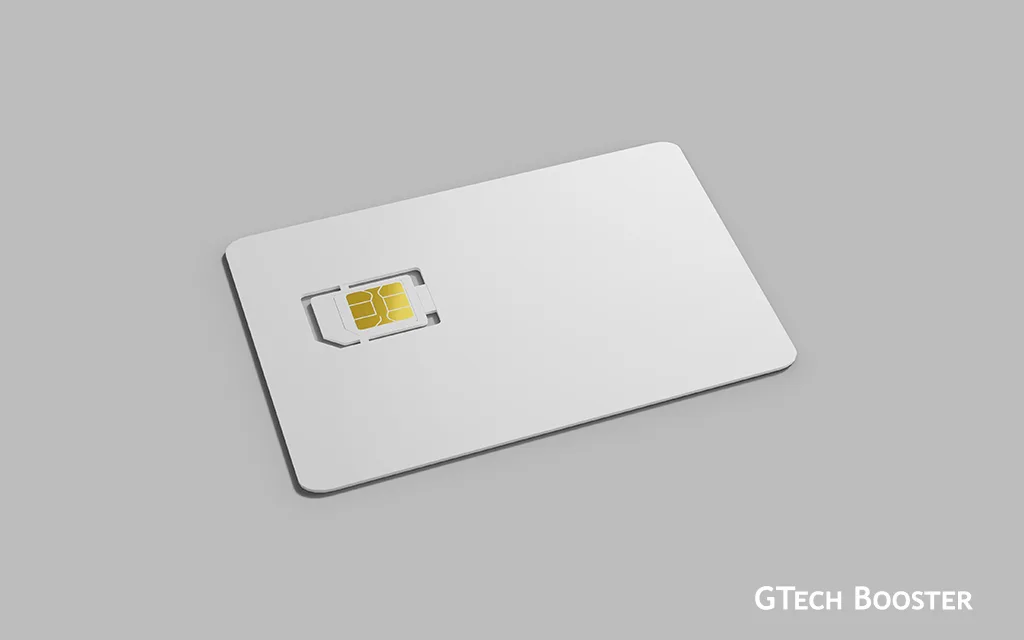
President Mahama described the earlier exercise as failing to deliver meaningful results despite the considerable hardship it imposed on the public. He blamed poor coordination between the Ministry of Communications and the National Identification Authority, which prevented SIM cards from being properly linked to verified national identity data.

The most damning finding came from the National Communications Authority: an audit of SIM registration data collected between 2021 and 2023 showed zero fingerprint matches when cross-checked against the national identity database — zero. The entire exercise produced no verified biometric link between a single SIM card and a confirmed identity.
Communications Minister Sam George — the MP for Ningo-Prampram — further warned that data in the current system may have been fraudulently acquired, saying “migrating it into a new system without proper cleansing doesn’t solve the problem; it simply transfers the flaws.”
migrating it into a new system without proper cleansing doesn’t solve the problem; it simply transfers the flaws.
Communications Minister Sam George — the MP for Ningo-Prampram
The Main Reasons for the New Exercise
- MoMo Fraud
Minister Sam George stated directly that the new biometric SIM registration will make mobile money fraud very expensive to commit. “When his Ghana Card is blocked, he loses access to every government service. So the cost of MoMo fraud is being raised to the level that it will be prohibitive,” he said. Ghana’s MoMo ecosystem processes billions of cedis in transactions annually — fraudulent SIM cards are the primary tool used by criminals to intercept and steal those funds. - No Biometric Verification the First Time
Sam George stated the critical flaw in the 2021–2023 exercise was the complete absence of biometric verification — the very thing that would have made the data meaningful. The new exercise will correct this from the ground up. - Fraudulent SIM Cards in Circulation
The new registration is expected to address the proliferation of fraudulent SIM cards and the misuse of Ghana Cards. To prevent photocopied or fake Ghana Cards from being used, the government is introducing a liveness test — a facial recognition step that confirms the person presenting the card is physically present and alive. - Identity Theft and Digital Crime
Security agencies have repeatedly raised concerns that inaccurate SIM registration data creates loopholes that criminals exploit. Strengthening the system is expected to improve law enforcement’s ability to trace communications linked to criminal activity. - Foreign SIM Abuse
The new system will also ensure SIM cards registered to foreign nationals are automatically deactivated after 90 days, closing a loophole that allowed long-term misuse of foreign-registered SIMs.
What Is New and Different This Time
This will be the first SIM registration exercise in Ghana’s history to include live biometric verification against the NIA database. The government is also introducing digital self-service platforms so subscribers can begin registration online without queuing at service centres — one of the biggest complaints about the 2021–2023 exercise.
President Mahama added that the new system will allow individuals to update their registration details remotely, without having to queue at registration centres at all.
The Data Protection Commission will oversee how all biometric data is collected and stored, and the government is simultaneously working on new data protection legislation to address artificial intelligence, automated decision-making, and cross-border data transfers.
The Bottom Line
Ghana spent years and considerable public effort on a SIM registration exercise that produced zero verified records. The new exercise is not optional — it is a reset of Ghana’s entire digital identity and mobile security infrastructure, driven by the urgent need to protect an economy that runs increasingly on mobile money. If it works this time, every SIM card in Ghana will be tied to a verified, biometrically confirmed identity — making fraud dramatically harder and giving law enforcement a reliable tool for the first time.
After the exercise, second occurrence of a verified fraud activity would result in a permanent ban of user for life.
More Information ℹ

Gabby











Be polite and constructive with your point.