
What they don’t tell you about Electric Toothbrushes
Powered brushes use oscillating-rotating-pulsating or sonic technology to make up to 48,800 movements per minute—versus 300-600 with manual brushing.
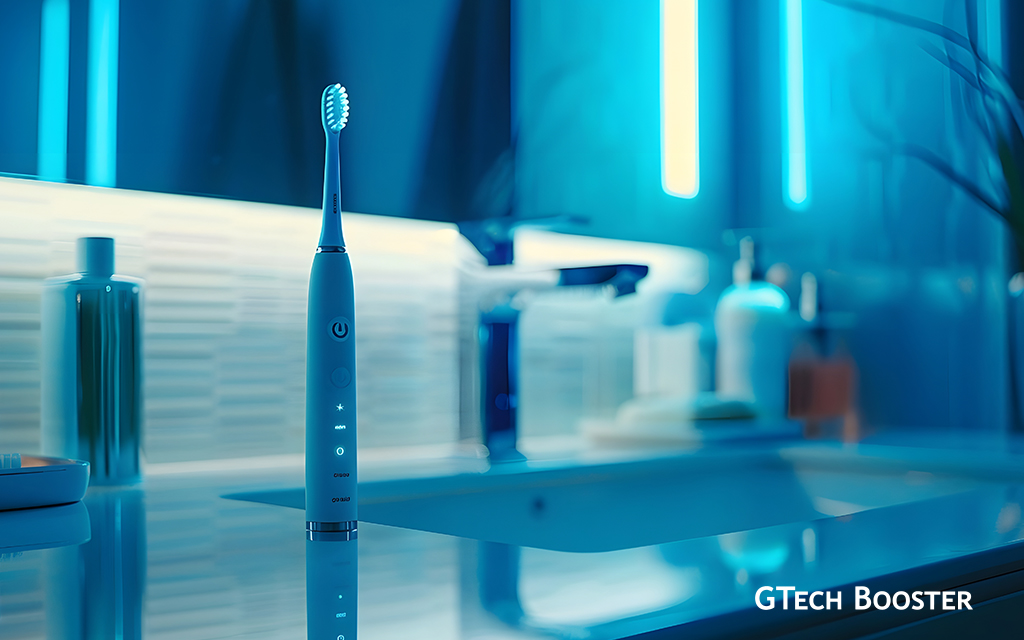
Electric toothbrushes are often marketed as a necessity for oral health, but they come with several caveats regarding cost, technique, and actual efficacy compared to manual brushing. Powered brushes use oscillating-rotating-pulsating or sonic technology to make up to 48,800 movements per minute—versus 300-600 with manual brushing. Clinical studies claim they remove 100% more plaque, reduce gingivitis faster, and improve gum health within one week. They’re especially helpful for those with dexterity issues, arthritis, or children who need encouragement. Do they?

Here is what is often left out of the marketing communications:
1. The “True Clean” Myth
Low-end models are weak: Cheap electric toothbrushes (often battery-operated) may not have enough power to actually clean teeth, sometimes just vibrating the handle without effectively removing plaque.
Technique still matters: You cannot just hold the brush in your mouth; you still need to guide it over every surface.
Manual is fine: If you have good technique, a manual toothbrush is just as effective as an electric one, as it’s the technique, not the tool, that matters.
2. Hidden Costs and Maintenance
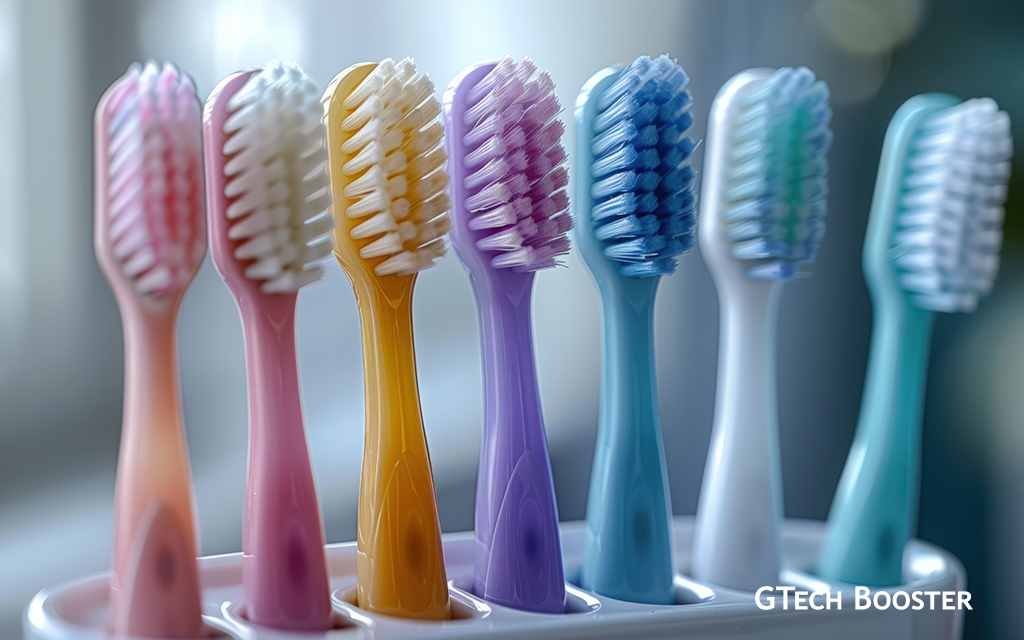
Expensive replacement heads: While the initial cost is high, the recurring expense of replacement heads (every 3-4 months) can be significant.
Inconvenient travel: You have to remember chargers, and if the battery dies while traveling, you are stuck without a functioning device.
Fragility: They are more prone to damage if dropped or if water enters the battery compartment.
3. The Risk of Over-brushing
Gums can recede: Because of the power, using an electric toothbrush with too much pressure can cause gum recession and expose root surfaces.
Splayed bristles: If the bristles of your electric brush are splayed flat, you are brushing too hard.

4. The Transition Curve
Different technique: You should not “scrub” with an electric toothbrush like a manual one; you should gently guide it, allowing the bristles to do the work.
Linger on teeth: You must linger on each tooth surface, rather than making fast sweeping movements.
5. Features You Don’t Actually Need
Bluetooth/Apps: Many high-end, expensive models include “smart” features like Bluetooth connectivity, which are often unnecessary for proper cleaning.
Too many modes: Most users only need a standard cleaning mode; extra, high-intensity modes are usually unnecessary.
Electric toothbrushes are not a complete solution for oral hygiene but rather a tool requiring proper technique, consistent maintenance, and a higher cost to be fully effective. Despite being generally superior for plaque removal and gingivitis reduction, manufacturers often do not highlight these drawbacks.
More Information ℹ

Focal Point












Be polite and constructive with your point.