
Meta-Quest 3: A modern augmented reality you did’nt know you need
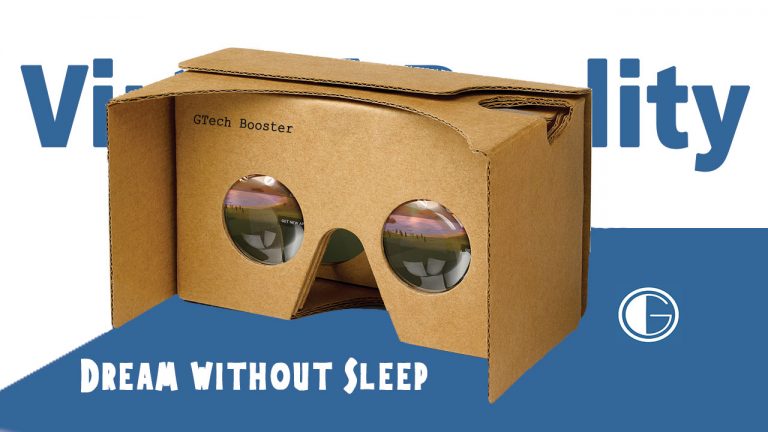
From the first computers to smartphones that fit in our pockets, each step has transformed how we live, work, and play. Now, we stand on the edge of another revolution; Virtual/Augmented Reality (VR).
Technology has always been about breaking barriers—bringing us closer to things we once thought were impossible. From the first computers to smartphones that fit in our pockets, each step has transformed how we live, work, and play. Now, we stand on the edge of another revolution; Virtual/Augmented Reality (VR).

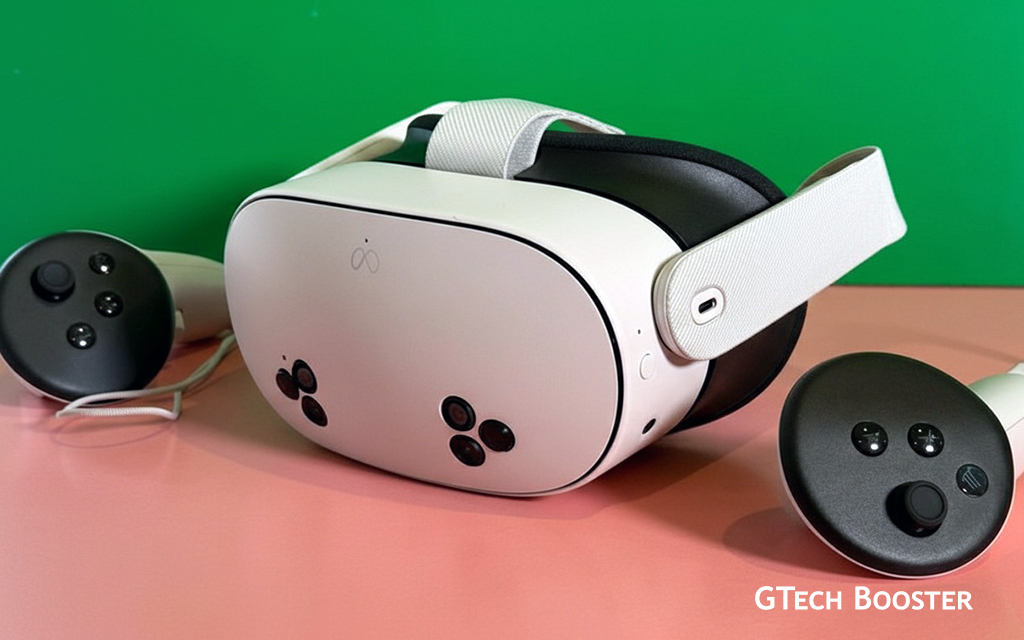
It’s the bridge between the real and virtual worlds. Designed by Meta, this cutting-edge device introduces a new era of mixed reality, where virtual reality (VR) and augmented reality (AR) blend seamlessly to create experiences that feel both immersive and real.
Unlike traditional VR headsets that isolate you from your surroundings, the Quest 3 features high-resolution color passthrough cameras, allowing you to see your environment while interacting with digital elements layered over it. Imagine designing your workspace with floating virtual screens, playing a game that unfolds across your living room, or walking through a 3D model that exists right on your table — all possible through the Quest 3’s advanced sensors and Snapdragon XR2 Gen 2 chip.
What is Virtual Reality?
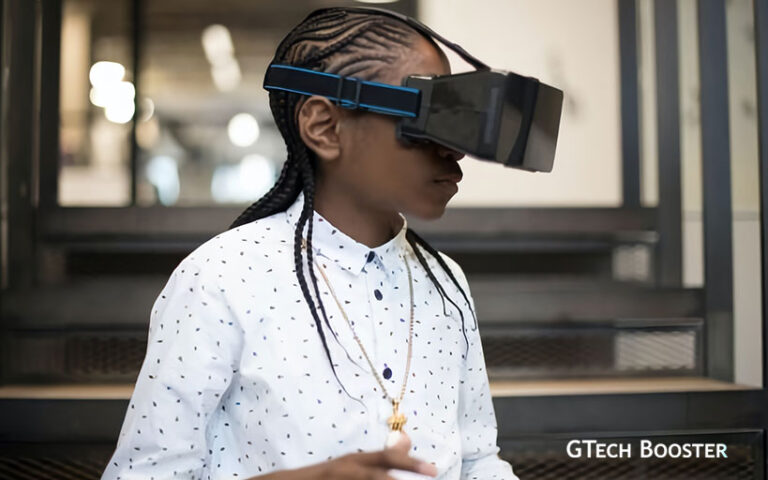
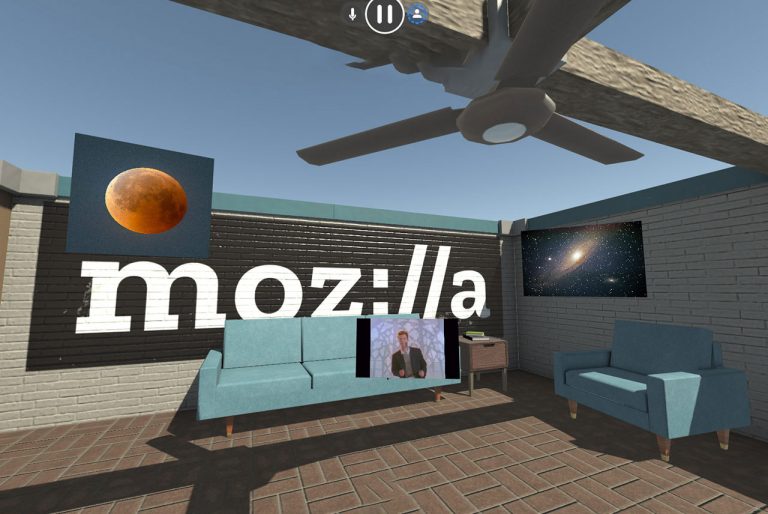
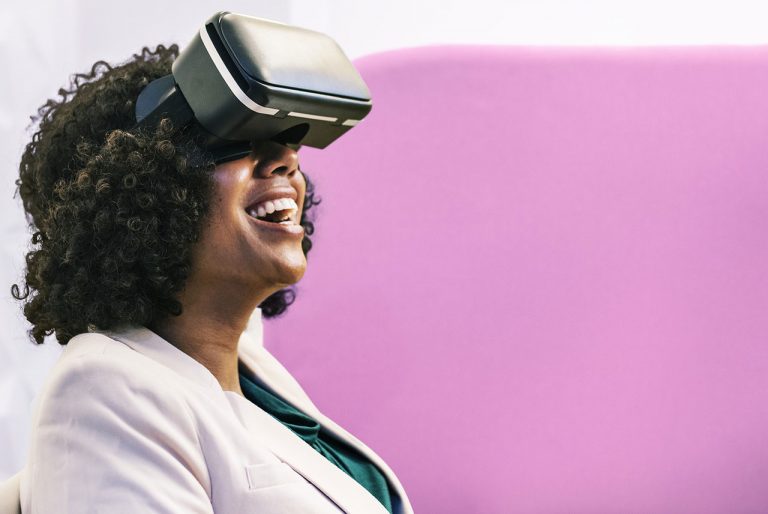
Virtual Reality is a computer-generated simulation that immerses users in a 3D environment where they can see, hear, and often interact as if they were physically there. Unlike traditional screens that you look at, VR places you inside the digital world through VR headsets (glasses). Whether it’s exploring the surface of Mars, playing a boxing game, or attending a virtual meeting, VR makes the experience feel strikingly real.
What is Augmented Reality?
Is a technology that blends the real world with digital elements such as images, sounds, 3d objects-in real time. In simple terms, it adds computer generated content to your real environment through devices like smartphones, smart glasses or AR headsets. Example: when you use your phone’s camera to see a virtual object like furniture or fridge in your actual room, that’s augmented reality.
How do VR Glaasses Work?
VR headsets use a combination of two small screens, sensors, and lenses to create the illusion of depth and motion.
Here’s what happens
3D Display
Each eye sees a slightly different image, mimicking natural depth perception.
Motion Tracking
Sensors inside the headset track head movement, so the scene shifts when you turn. Immersive Audio: Many devices include spatial sound, so you can hear from all directions.
Controllers or Hand Tracking
You can grab, point, and interact with objects in the virtual space.
The result?
A digital experience so engaging that your brain treats it like reality.
Where is VR used today?
Virtual Reality is no longer limited to gaming. It’s changing multiple industries.
Gaming & Entertainment
From horror games that make your heart race to virtual concerts where you can stand front-row.
Education & Training
Students can tour historical sites, doctors can practice surgeries, and pilots can simulate flights without risk.
Fitness & Health
VR gyms and meditation apps make workouts more interactive and mental health therapy more effective.
Business & Collaboration
Companies host meetings in VR, allowing remote teams to feel like they’re in the same room.
Travel & Exploration
Explore the Great Wall of China, dive into the ocean, or even walk on the moon—all without leaving home.
A bit more of information
The Future Of VR
VR is still evolving, but its potential is enormous. With improvements in graphics, wireless technology, and AI, the line between the virtual and the real will only blur further. Imagine shopping in a digital mall, attending a lecture with classmates worldwide, or designing buildings in VR before they’re built.
Some experts even believe VR will merge with augmented reality (AR) to create a fully immersive “mixed reality,” shaping how we work, play, and connect in the future.
Virtual Reality isn’t just a gadget—it’s a gateway. It opens doors to new worlds, new experiences, and new opportunities. While it’s still early days, one thing is clear: VR is not just the future of gaming, but the future of human experience. So the next time you put on a VR headset, remember—you’re not just playing a game, you’re stepping into the future.
More Information ℹ


Focal Point







Be polite and constructive with your point.