
How good is the Ghanaian bamboo bike?
If you have ever ridden a stiff aluminum bike, you know you feel every pebble on the road. Bamboo is naturally anisotropic
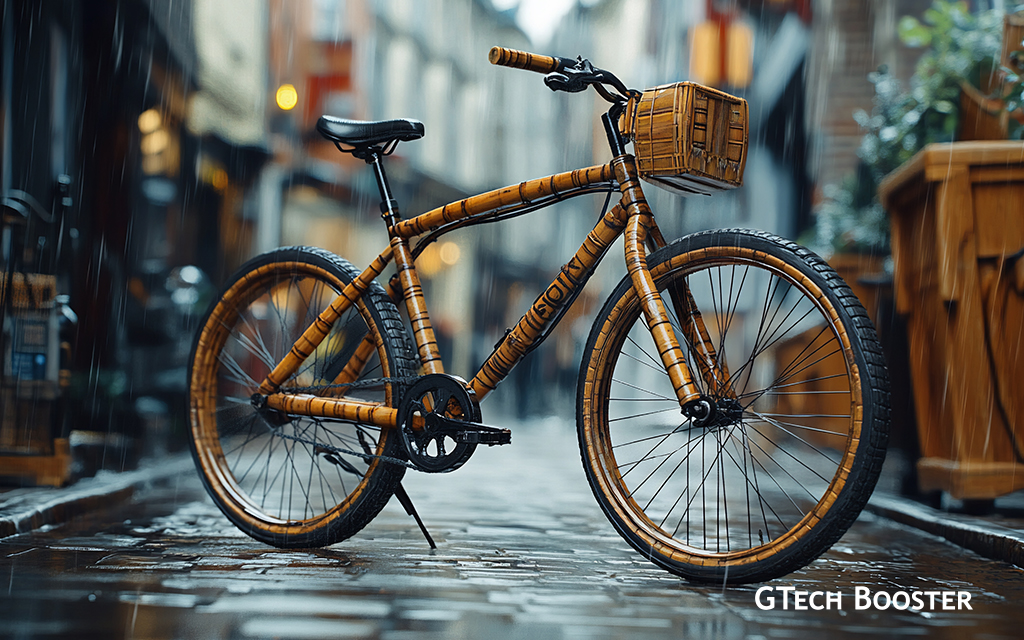
The short answer: Surprisingly great. While it might look like a decorative piece or a fair-trade novelty, the Ghanaian bamboo bicycle is a serious piece of engineering that often outperforms its metal counterparts in specific areas.

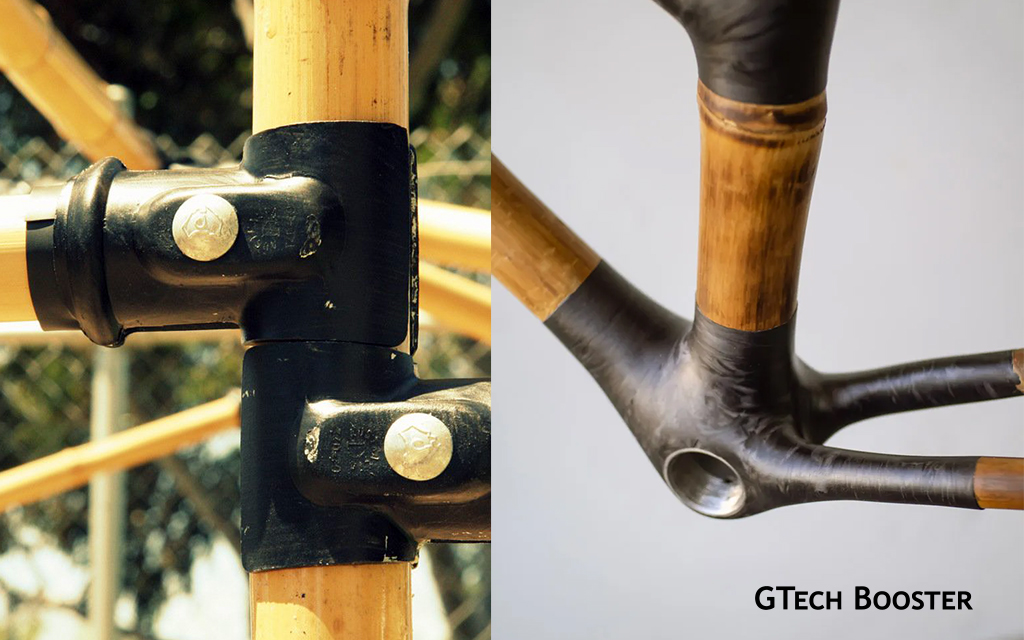
Bamboo bike joints connect the natural bamboo tubes (like down tube, top tube, and chainstays) using lugs or direct bonding for strength and flex. Builders miter bamboo ends to fit metal lugs (e.g., aluminum head tube or bottom bracket shells), tack with quick epoxy, then reinforce. This yields durable, eco-friendly frames that outperform aluminum in compliance. Here is a breakdown of how it actually stacks up:
1. Performance & Ride Quality
If you have ever ridden a stiff aluminum bike, you know you feel every pebble on the road. Bamboo is naturally anisotropic, meaning it has fibers that run vertically. This gives it a natural vibration-dampening effect.
The Smooth Factor It absorbs road chatter and small bumps far better than steel or aluminum. Many riders describe it as having a supple or springy feel that makes long rides less fatiguing.
Stiffness: When built correctly (using thick-walled bamboo and reinforced joints), the frames are remarkably stiff, ensuring that your pedaling energy isn’t lost to frame flex.
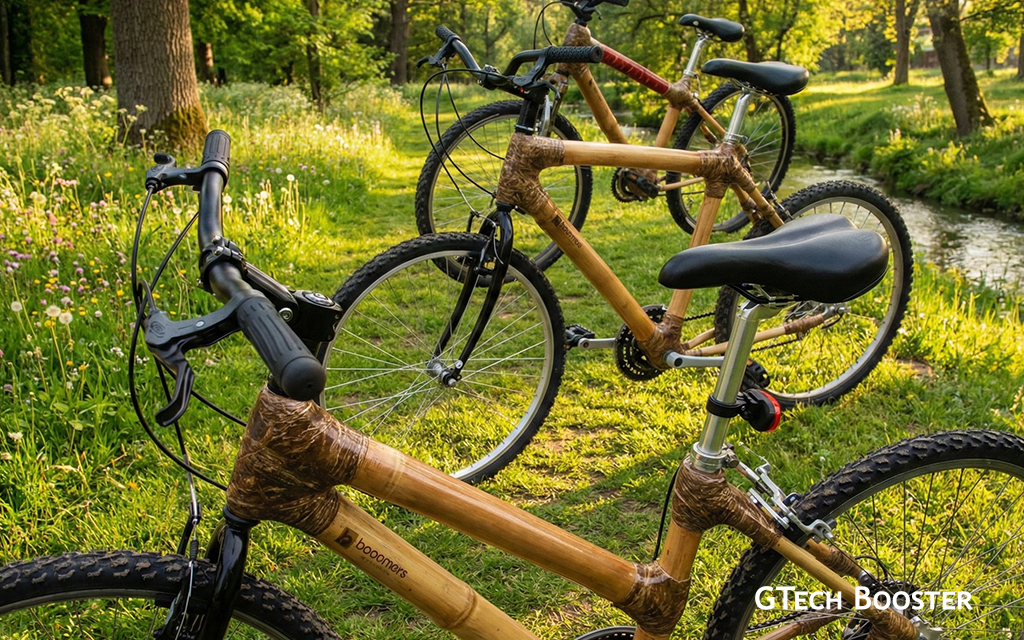
2. Strength and Durability
Don’t let the “grass” label fool you. Certain species of Ghanaian bamboo have a tensile strength that rivals steel.
Impact Resistance: Unlike carbon fiber, which can crack or shatter upon a sharp impact, bamboo is incredibly resilient. It can take a beating on the rocky, unpaved terrains of rural Ghana that would dent aluminum or snap cheap steel.
Weatherproofing: The bikes are treated with sealants and polyurethanes. As long as the protective coating isn’t deeply compromised, they are resistant to water, rot, and insects
3. Weight
Bamboo is significantly lighter than steel and roughly comparable to aluminum. While it won’t beat a high-end $10,000 carbon fiber racing frame in a weight contest, it is light enough for easy climbing and maneuverability.
The only downsides?
* Maintenance: You need to check the sealant occasionally to prevent moisture from getting into the fibers.
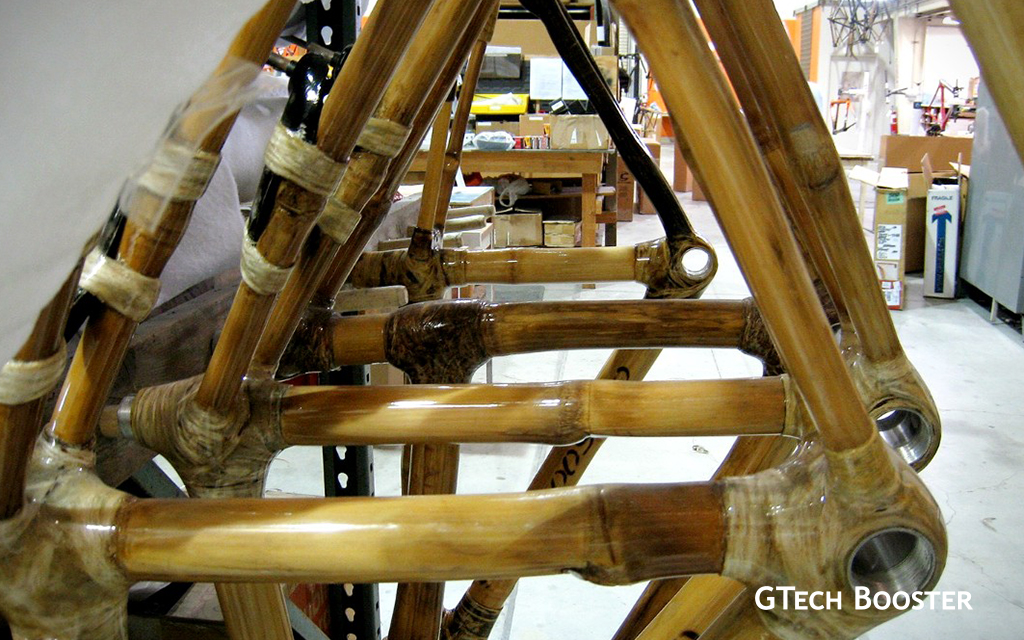
*Price: Because they are handcrafted (taking roughly 40+ hours per frame), they are often more expensive than mass-produced Chinese steel frames, though they remain affordable within the “custom bike” market.
The Ghana bamboo bicycle is superb for commuting, touring, and gravel riding. It is a “forever bike” that offers a unique aesthetic and a silky-smooth ride.
More Information ℹ
- A look at the wahu! eBike from Wahu! Mobility
- Elecer Ghana makes electric bikes and tricycles available to Ghanaians


Focal Point

















Be polite and constructive with your point.