
Ghana parliament pass the Virtual Asset Service Providers Bill
Passage of the Virtual Asset Service Providers (VASPs) Bill, establishes the nation's first comprehensive legal framework for regulating cryptocurrencies and related digital asset activities. The Bank of Ghana (BoG) and Securities and Exchange Commission (SEC) will oversee licensing and compliance once the Act takes effect, with details to be announced soon.
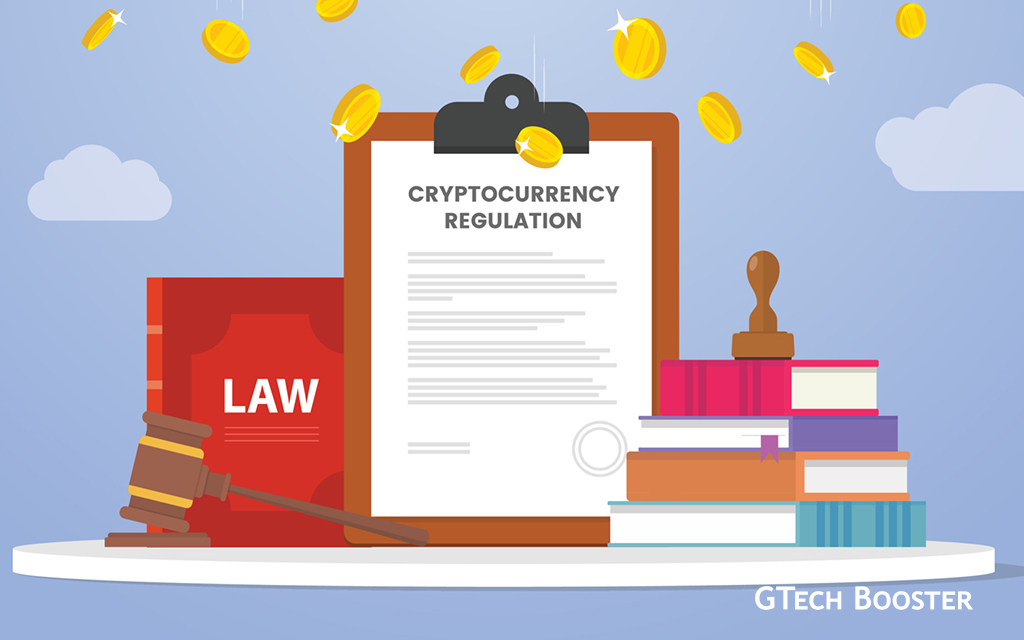
Ghana’s parliament recently passed the Virtual Asset Service Providers Bill, legalizing cryptocurrency trading and use nationwide. This ends years of regulatory uncertainty, allowing individuals to buy, sell, or hold crypto without legal risks like arrest. The Bank of Ghana now oversees licensing and supervision of crypto platforms to address fraud, money laundering, and financial stability concerns.

Passage of the Virtual Asset Service Providers (VASPs) Bill, establishes the nation’s first comprehensive legal framework for regulating cryptocurrencies and related digital asset activities. The Bank of Ghana (BoG) and Securities and Exchange Commission (SEC) will oversee licensing and compliance once the Act takes effect, with details to be announced soon.
Key Provisions
All entities involved in virtual assets—such as exchanges, wallet providers, and custody services—must obtain licenses from BoG or SEC, depending on their activities. The law mandates adherence to anti-money laundering (AML) and counter-terrorist financing (CFT) standards, alongside consumer protection measures like fraud safeguards and solvency requirements. Regulators plan to issue operational guidelines soon for applications and compliance.
Background and Impact
Prior to this, Ghana had cautioned against unregulated crypto use despite widespread adoption, with estimates of over 3 million users trading billions in assets. The Bill shifts from ambiguity to regulated innovation, aligning Ghana with nations like Kenya and South Africa. BoG views it as a step to protect users while fostering a safe digital finance ecosystem.
The Virtual Asset Service Providers Bill
Current Status
Passed around December 19-22, 2025, the law awaits presidential assent to take full effect. Bank of Ghana Governor Johnson Asiama announced it, highlighting structured oversight for the sector.
The bill requires exchanges, wallet operators, and other service providers to register and obtain licenses from the Bank of Ghana or the Securities and Exchange Commission. It emphasizes consumer protection while fostering innovation in Ghana’s growing crypto ecosystem, where millions already engage with digital assets. Detailed guidelines are expected in early 2026.
More Information ℹ
- Ghana Virtual Asset Service Providers Bill 2025
- Cryptocurrency
- Virtual Assets Regulation in East and West Africa: A regional comparative guide


Gabby















Be polite and constructive with your point.