
Rugged smartphones to look for when you are in the market
A premium category has emerged that blends military-grade durability with luxury materials. For executives and high-net-worth individuals who travel extensively and require both security and durability
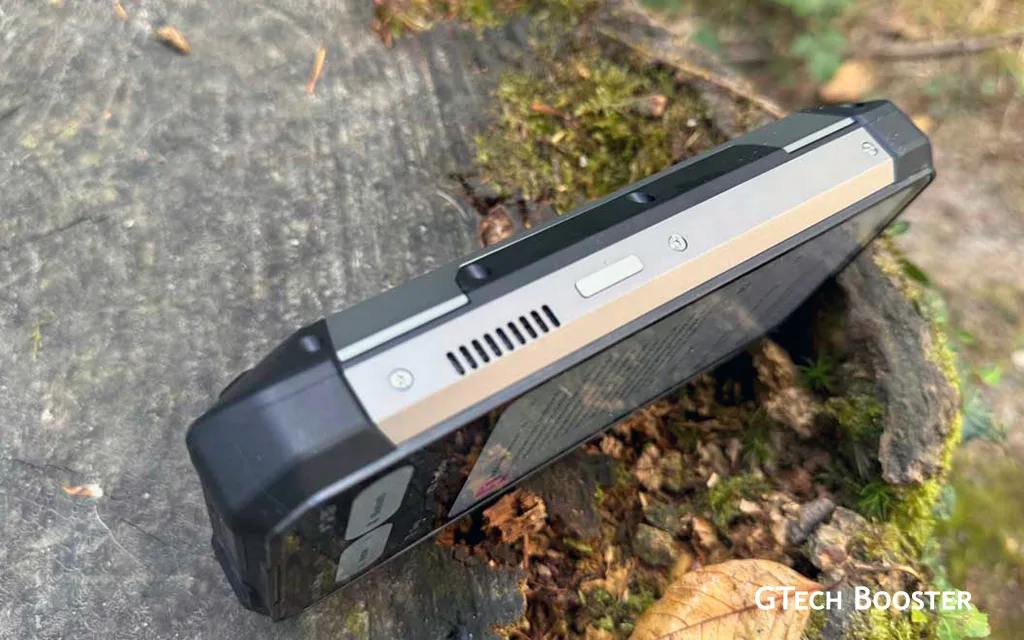
In 2026, rugged smartphones have moved far beyond niche industrial tools. They are now essential companions for construction workers, field medics, deep-sea divers, military personnel, farmers, adventure travellers, and anyone whose livelihood depends on a device that refuses to quit. The global rugged smartphone market is projected to reach $4.1 billion by 2030, growing at a CAGR of 6.7% — and the reasons are clear.
Standard flagships may boast stunning cameras and sleek designs, but they shatter on job sites, fail in monsoons, and die in subzero conditions. Rugged phones meet MIL-STD-810H military certification and IP68/IP69K ratings — surviving drops from 1.5 metres, water immersion, high-pressure jets, salt fog, extreme heat and cold, vibration, and more. This guide covers the best options per region with tailored advice for each market.
Understanding Rugged Standards
Contents
MIL-STD-810H
The US military standard for environmental engineering, testing devices against drops, vibration, thermal shock, altitude, rain, humidity, and dust. The ‘H’ revision is the current gold standard. Look for this on any serious rugged device.
IP Ratings
IP68 means dust-tight and submersible beyond 1 metre for 30+ minutes. IP69K adds high-pressure, high-temperature water jet resistance — critical for industrial cleaning environments. The best rugged phones carry both ratings simultaneously.
Semi-Rugged vs Fully Rugged
Semi-rugged phones (like the Samsung XCover series) offer everyday toughness in a slim form. Fully rugged phones (like Cat, AGM, Ulefone Armor) are built for extreme professional environments and often include specialized features like thermal imaging, walkie-talkies, and laser rangefinders.
Always verify the MIL-STD-810H and IP rating on the manufacturer's official specification sheet — not just the marketing copy.
Africa
Market Context
Africa presents a unique rugged smartphone environment. Dust, heat, equatorial humidity, limited cellular infrastructure in rural areas, and unreliable power grids are the defining challenges. Mining operations in South Africa and the DRC, agricultural zones across East Africa, and off-grid communities across the continent demand affordable durability above all else. Chinese brands dominate here due to aggressive pricing and wide distribution.
Top Picks for Africa
- Blackview BL9000 Pro
IP68/IP69K · MIL-STD-810H · 8800mAh · 5G · ~$450
One of the strongest value-for-money rugged phones on the continent. The large battery handles regions with unreliable electricity, and its satellite emergency messaging capability is a genuine safety asset in remote areas.
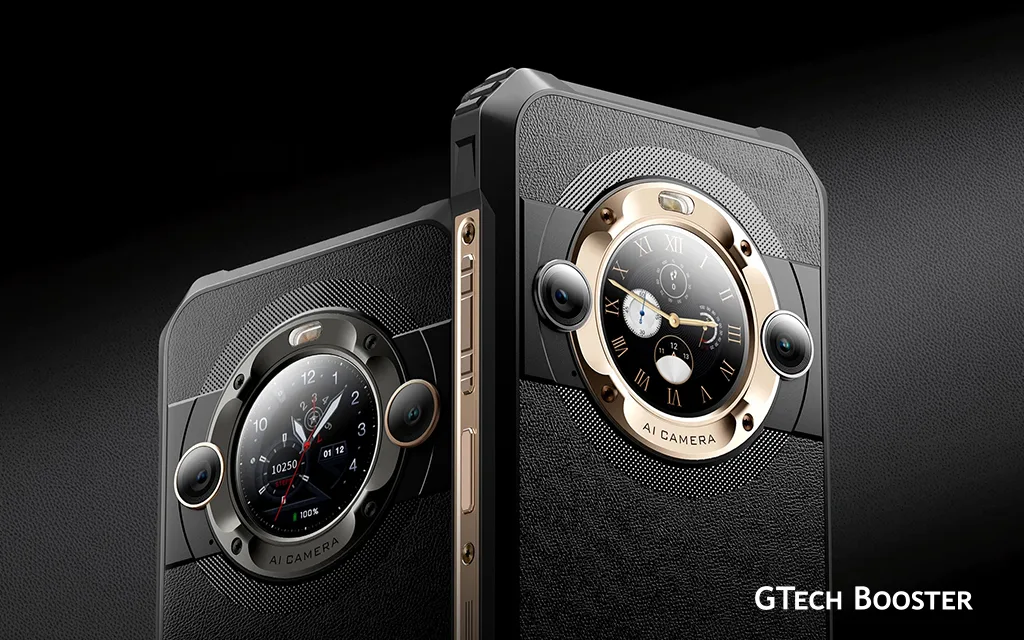
- Ulefone Armor 27T Pro
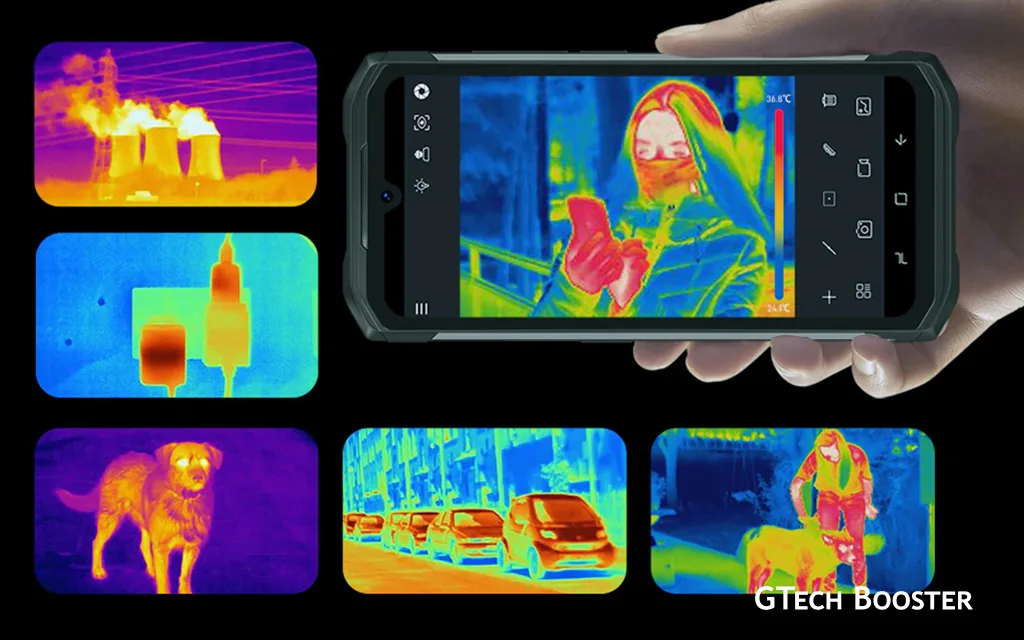
IP68/IP69K · MIL-STD-810H · Thermal Imaging · $360
The thermal camera makes it invaluable for electricians, solar panel engineers, and construction supervisors. Widely available across African e-commerce platforms.
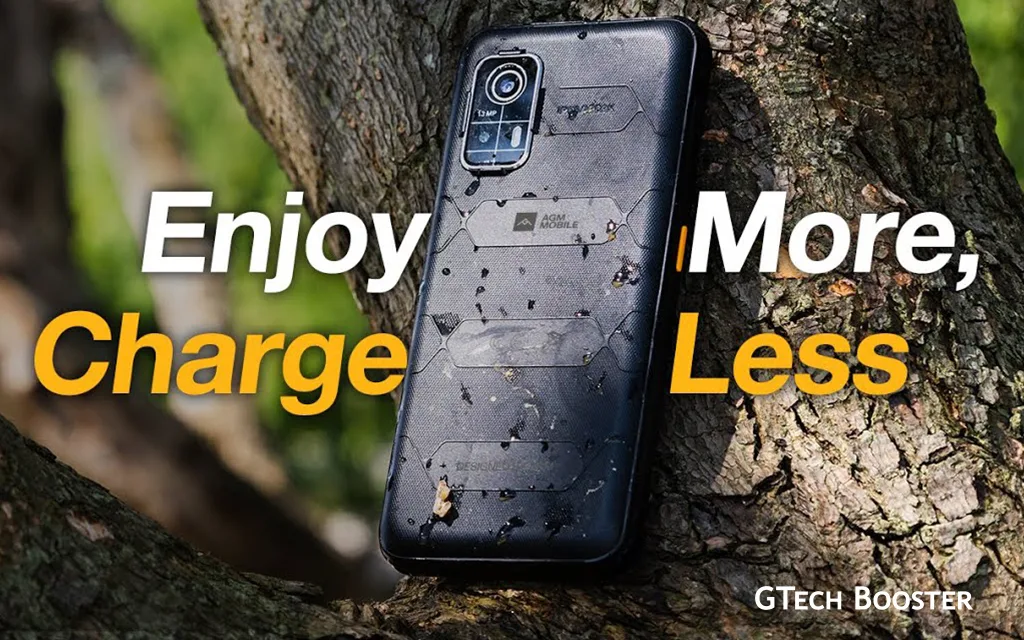
AGM H Max
IP68/IP69K · 10,000mAh · Slim Profile · ~$250
Best for field workers and traders who need a rugged phone that does not feel like carrying a brick. Its slim design and massive battery suit long days in hot outdoor environments.
Doogee S98 Pro
IP68/IP69K · MIL-STD-810H · Night Vision Camera · ~$350
The night vision camera is a standout for security personnel and rural users operating after dark. Strong value for money in the mid-range segment.
Africa-Specific Advice
- Prioritise battery capacity above all else — 8,000mAh or more for off-grid areas
- Dual SIM support is essential for crossing between national networks and accessing the best signal
- Look for wide 4G band support including Band 28 (700MHz) which penetrates buildings and covers rural distances better
- Solar charging accessories are worth investing in alongside the phone itself
- Buy from distributors who offer local warranty servicing — Chinese brands often have no regional repair centres
In sub-Saharan Africa, phones sold through Transsion (Tecno, Itel, Infinix) come with local warranty support. Pairing one with a rugged models of an AGM or Blackview device gives you the best of local support and rugged capability.
Asia
Market Context
Asia is the most diverse rugged market on the planet, spanning Japanese enterprise precision, South Asian construction booms, Southeast Asian tropical humidity, and Central Asian extreme cold. China both manufactures and consumes the majority of the world’s rugged phones. Japan has strict unique frequency requirements. India is a fast-growing mid-range rugged market. Monsoon-resistance is non-negotiable across South and Southeast Asia.
Top Picks for Asia
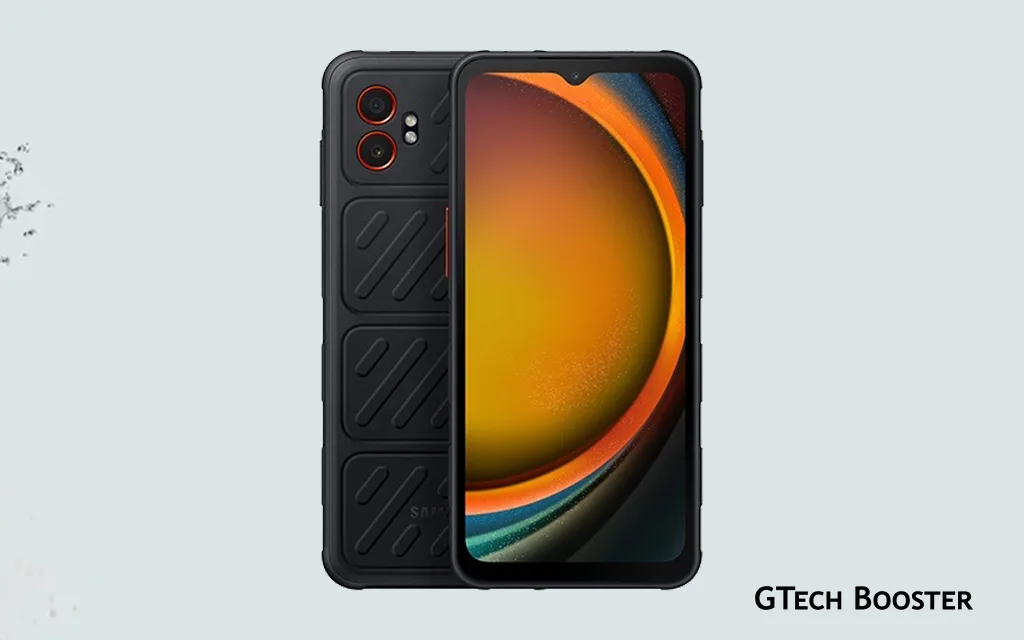
Samsung Galaxy XCover 7 Pro
IP68 · MIL-STD-810H · Replaceable Battery · ~$600
The enterprise favourite across Japan, South Korea, and Singapore. Samsung’s Knox security platform makes it the go-to for government and corporate deployments. The replaceable battery is rare in 2026 and invaluable in the field.
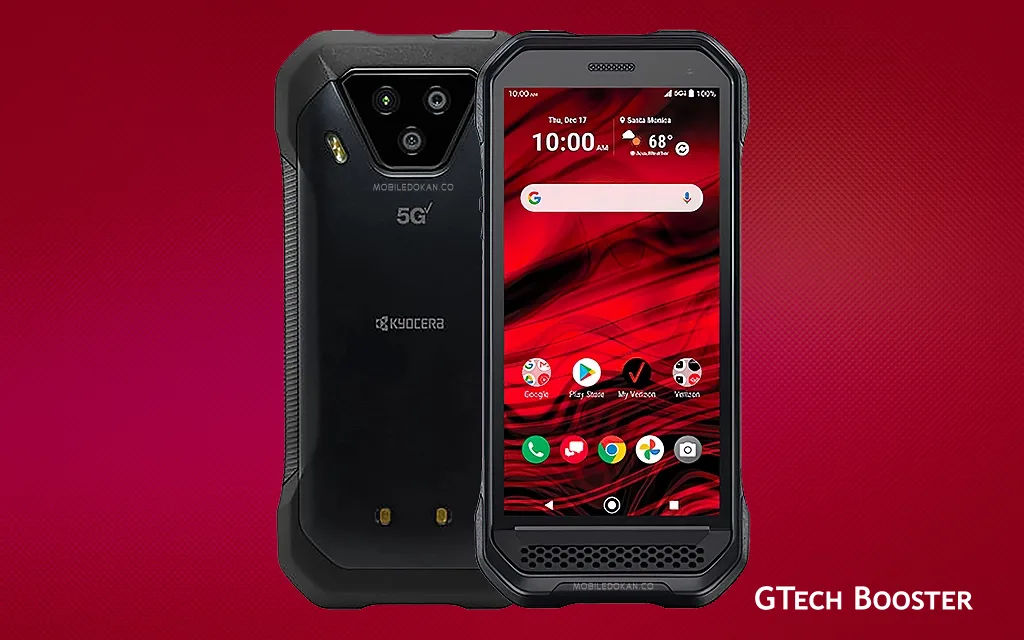
Kyocera DuraForce Ultra 5G
IP68 · MIL-STD-810H · Made for Japan · ~$700
Built to Japanese telecoms standards and dominant in domestic enterprise deployments. Excellent PTT (push-to-talk) integration and thermal management for humid climates.
AGM G3 Pro
IP68/IP69K · MIL-STD-810H · Laser Rangefinder · ~$500
Popular across construction and logistics sectors in China, Vietnam, and India. The built-in laser rangefinder and Leica-branded thermal camera make it a genuine professional tool.
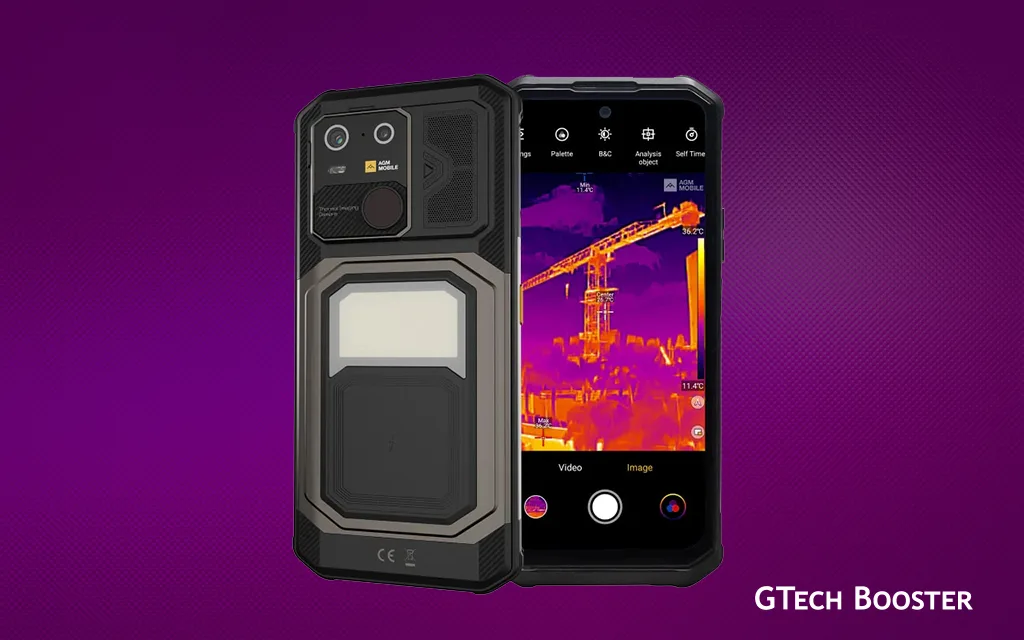
OUKITEL WP60
IP68/IP69K · 108MP Camera · 10,000mAh · ~$400
Strong performer in India and Southeast Asia where camera quality matters alongside durability. Its cyberpunk aesthetic also resonates with younger buyers in urban Asian markets.
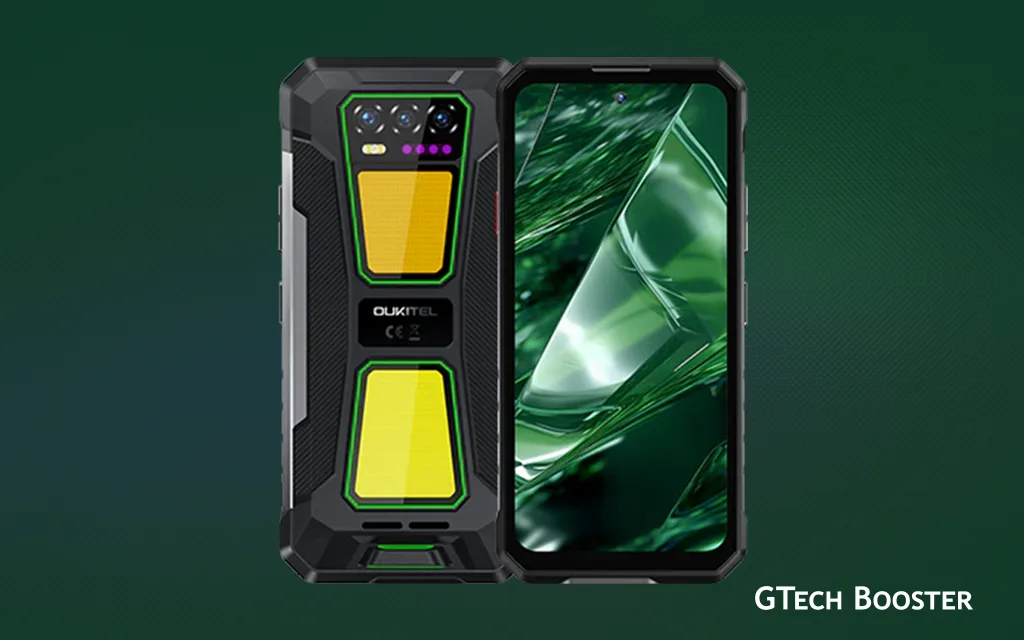
Runbo Q5S
DMR Walkie-Talkie Built-In · Remote Forestry · ~$380
Dominant in territories with zero cellular coverage — forestry in Borneo, maritime operations in Indonesia, wilderness areas of Central Asia. Device-to-device radio is its killer feature.
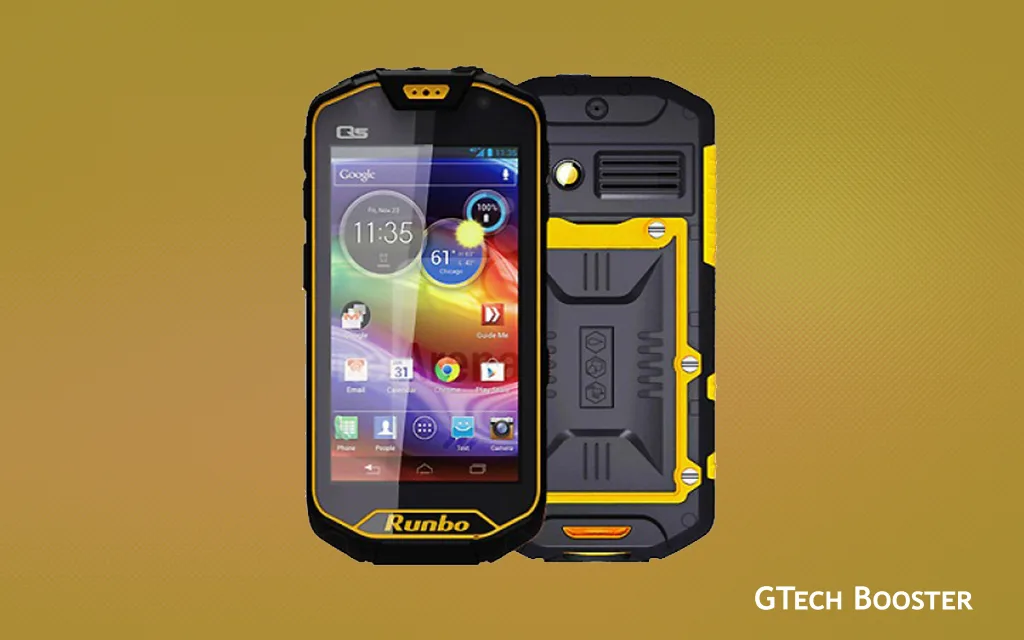
Asia-Specific Advice
- In Japan, ensure the device is certified for Japanese 4G/5G bands — many global models are incompatible.
- Monsoon-resistance means IP69K is preferable to IP68 alone — heavy rain sideways is not the same as calm submersion.
- In India, the sweet spot is $200–$400 where Chinese rugged brands dominate; Samsung competes at the enterprise tier.
- In China itself, Huawei’s enterprise rugged lineup is an option but carries export restrictions affecting software.
For Southeast Asia's tropical conditions, the biggest enemy of electronics is not rain but humidity-induced corrosion over time. Phones with sealed ports and nano-coating (not just IP ratings) perform better long-term.
Oceania
Market Context
Australia and New Zealand present harsh rugged conditions: scorching outback heat, mining and agricultural industries, remote island operations across the Pacific, and extreme UV exposure. Australia is also one of the world’s largest mining economies and a major market for enterprise rugged deployments. Pacific island nations need satellite connectivity for when cellular networks simply do not exist.
Top Picks for Oceania
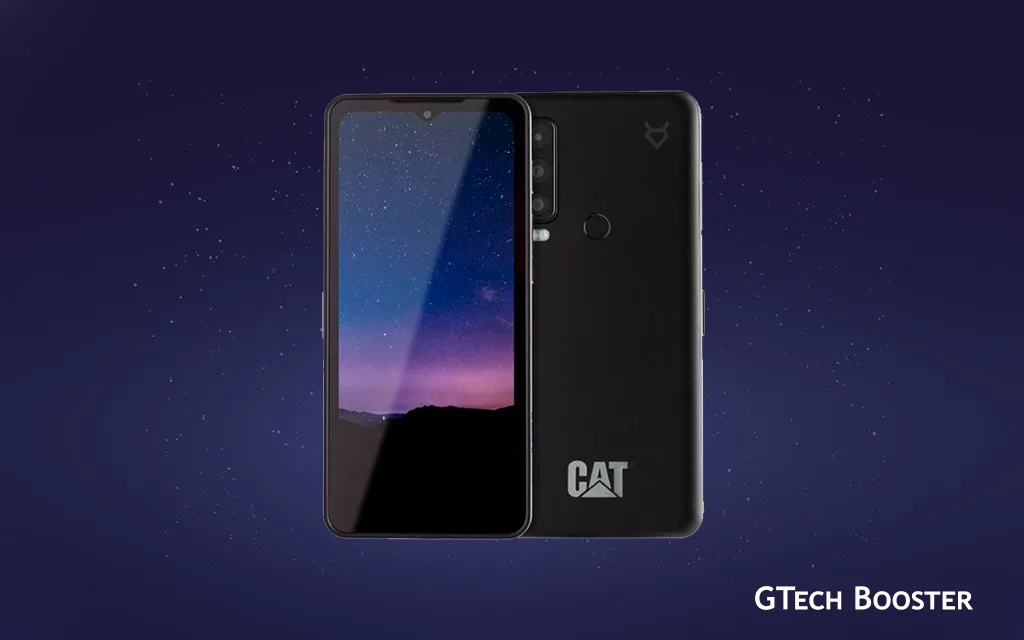
Cat S75
IP68 · MIL-STD-810H · Satellite Messaging · ~$750
The satellite connectivity feature is a game-changer for rural and outback Australia where Telstra’s network ends. The Cat brand has a trusted reputation among Australian tradies and miners.
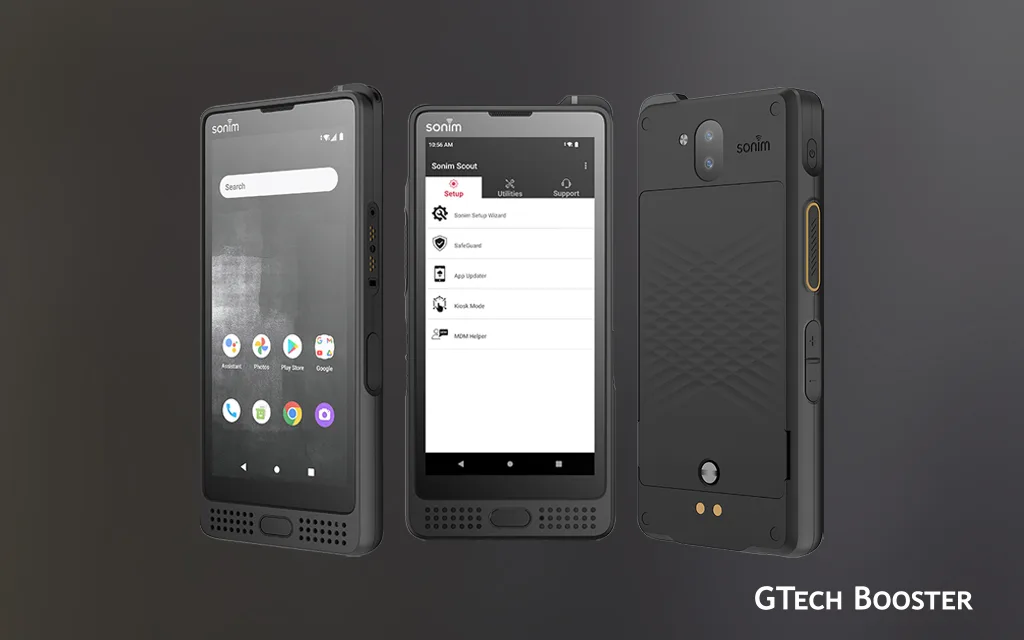
Sonim XP10
IP68 · MIL-STD-810H · PTT · Enterprise-Grade · ~$800
The loudest rugged phone on the market — 100dB speaker — essential for noisy mining and construction environments. Android Enterprise Recommended status makes it the choice for corporate fleet deployments.
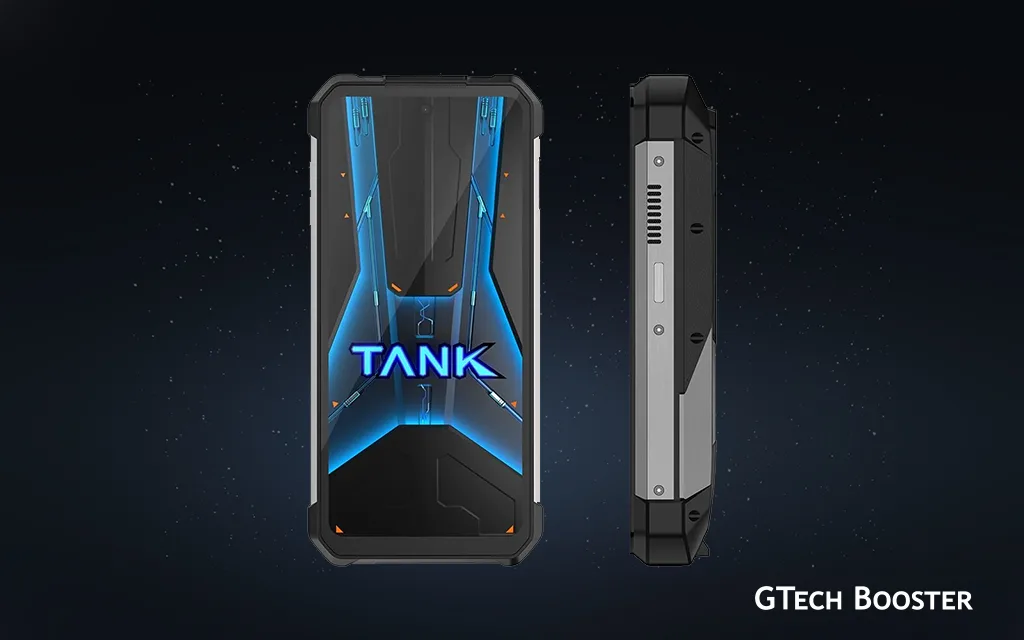
8849 Tank 3
IP68/IP69K · 23,800mAh · 5G · ~$400
The record-breaking 23,800mAh battery lasts over a week on standby — extraordinary for fly-in fly-out mine workers who may not have reliable charging for days. Enormous but purposeful.
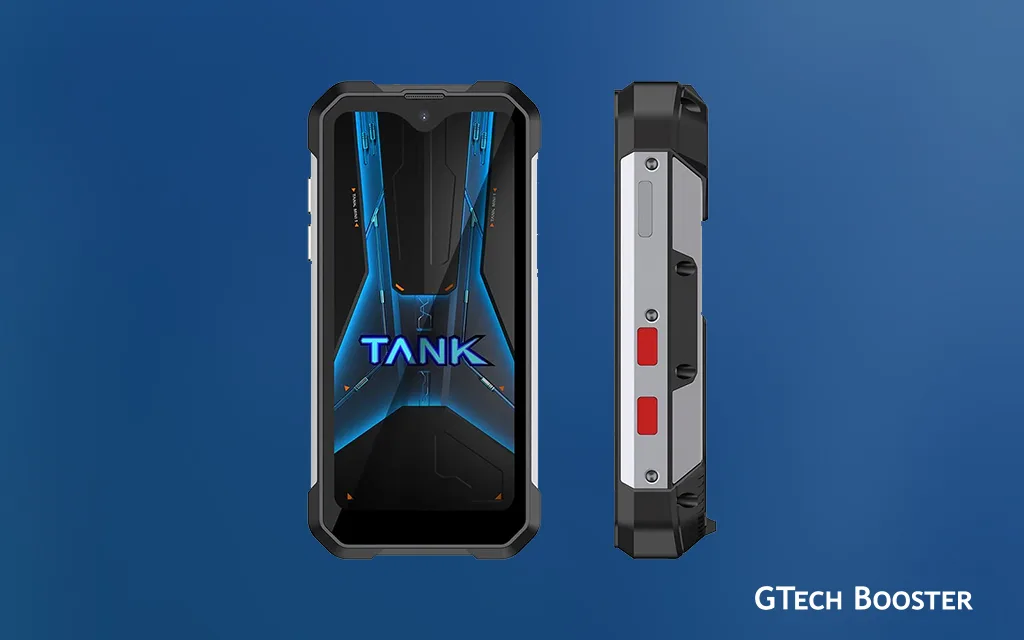
Unihertz Tank 4
IP68/IP69K · 2.6K AMOLED · 120Hz · ~$420
For Australian professionals who refuse to compromise on display quality. The 2.6K AMOLED with 120Hz is genuinely flagship-tier inside a fully rugged body.
Oceania-Specific Advice
- For outback Australia: satellite messaging (not just connectivity) is the most important feature to look for.
- Heat management matters more than cold in most of Australia — avoid phones without proper thermal dissipation on hot days.
- For Pacific island deployments, look for multi-band 4G and satellite as a fallback.
- Australian consumer law provides strong warranty protections — ensure the brand has a local distributor for warranty claims.
Australia's ACMA requires all phones sold to be RCM-marked (Regulatory Compliance Mark). Importing directly from overseas sites may mean your device is not legally compliant for use on Australian networks.
Antarctica
Market Context
Antarctica is the most extreme operating environment on Earth. Temperatures regularly drop to -40°C and below. Batteries fail, touchscreens freeze, and standard phones become expensive paperweights within minutes. Research stations, expedition teams, and support crews need devices that function when everything else fails. Satellite connectivity is mandatory — there are no cellular towers.
Top Picks for Antarctica
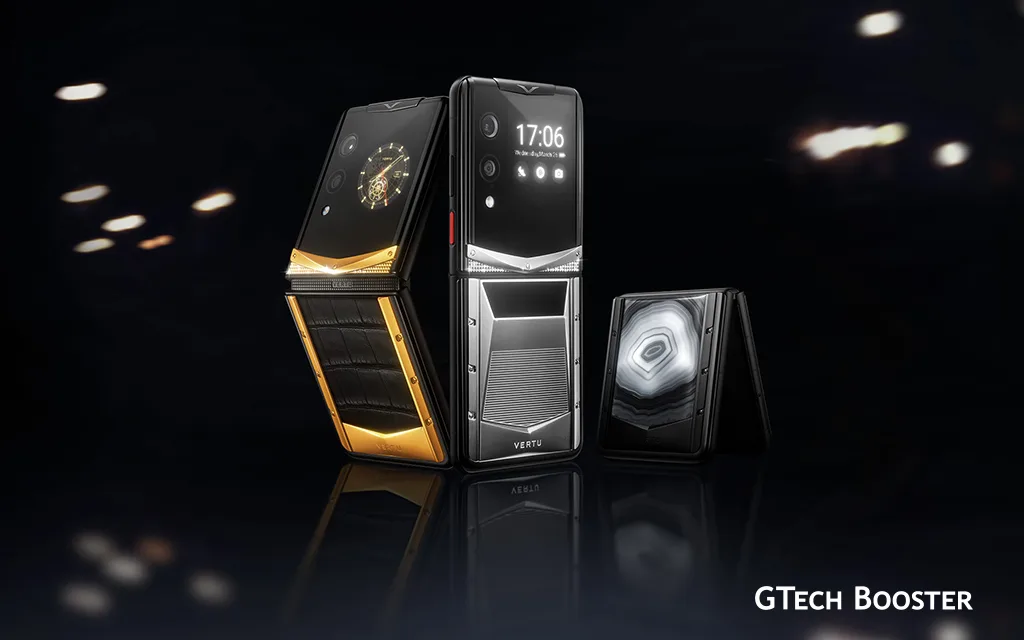
Vertu Quantum Flip
Grade 5 Titanium · Satellite · Military Security · ~$8,000+
Extreme cold tolerance, military-grade encryption, and integrated global satellite communication. Designed for high-value deployments where failure is not an option.
Sonim XP10
IP68 · MIL-STD-810H · -30°C Operational Range · ~$800
One of the few commercially available rugged phones with a certified operating temperature down to -30°C, making it functional in Antarctic conditions at research stations.
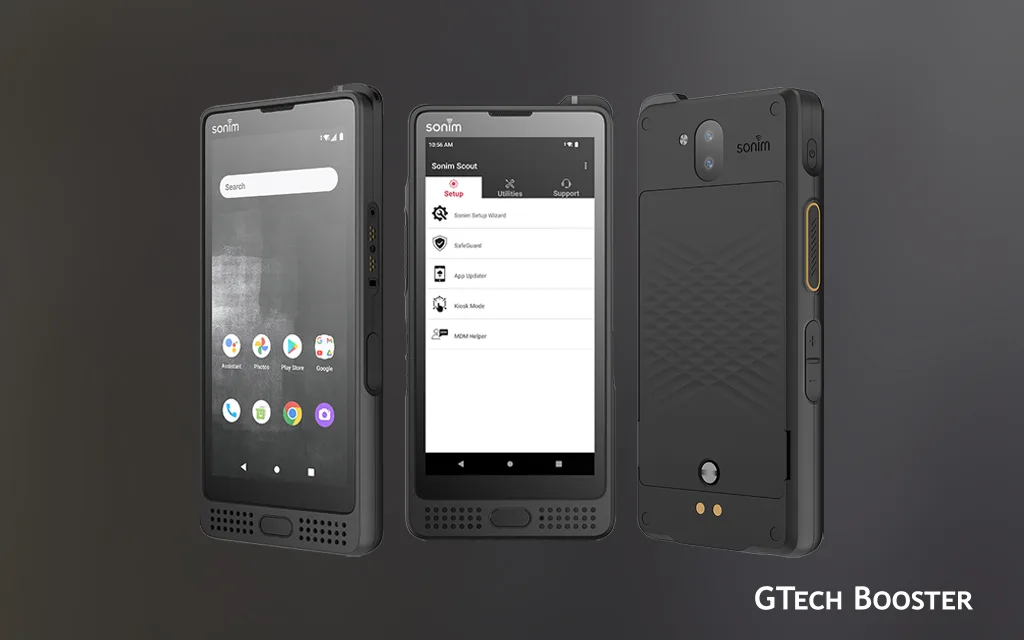
CAT S75 with Satellite Messaging
IP68 · Satellite Capable · ~$750
The most affordable option with satellite messaging capability. Used by expedition teams as a primary communication device where Iridium satellite handsets are too expensive to justify.
Antarctica-Specific Advice
- Battery performance collapses in extreme cold — lithium-ion batteries lose up to 50% capacity at -20°C and may shut down entirely below -30°C
- Keep the phone inside inner layers of clothing (body warmth) when not in use — never leave it exposed to ambient air
- Carry a portable hand-warmer pouch specifically for your phone during outdoor operations
- Touchscreens fail with gloved hands — prioritise phones with physical button navigation or glove-mode support
- Satellite messaging is not a luxury here — it is a survival requirement. Iridium or Globalstar devices are the true primary tools; rugged phones are secondary
⚠ Note: No commercially available consumer smartphone is rated for continuous operation below -40°C. For deep Antarctic field work, specialist Iridium satellite communicators replace smartphones entirely.
Europe
Market Context
Europe is the most mature enterprise rugged market outside North America. Public safety networks (TETRA, FirstNet equivalents), manufacturing, utilities, and logistics are the dominant verticals. European buyers are typically more quality and compliance-focused, favouring brands with CE certification, GDPR-compliant software, and local enterprise support. Nordic countries have specific cold-weather requirements.
Top Picks for Europe
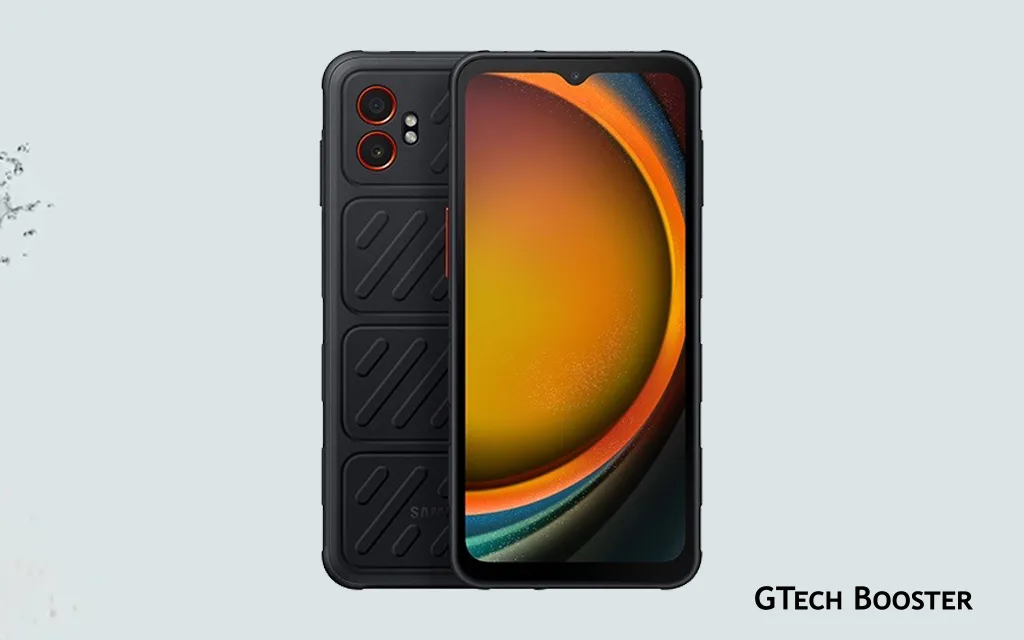
Samsung Galaxy XCover 7 Pro
IP68 · Knox Security · GDPR-Compliant · ~$600
The dominant enterprise rugged phone across Western Europe. Samsung’s established service network, Knox security for GDPR compliance, and familiarity with IT departments make it the safe enterprise choice.
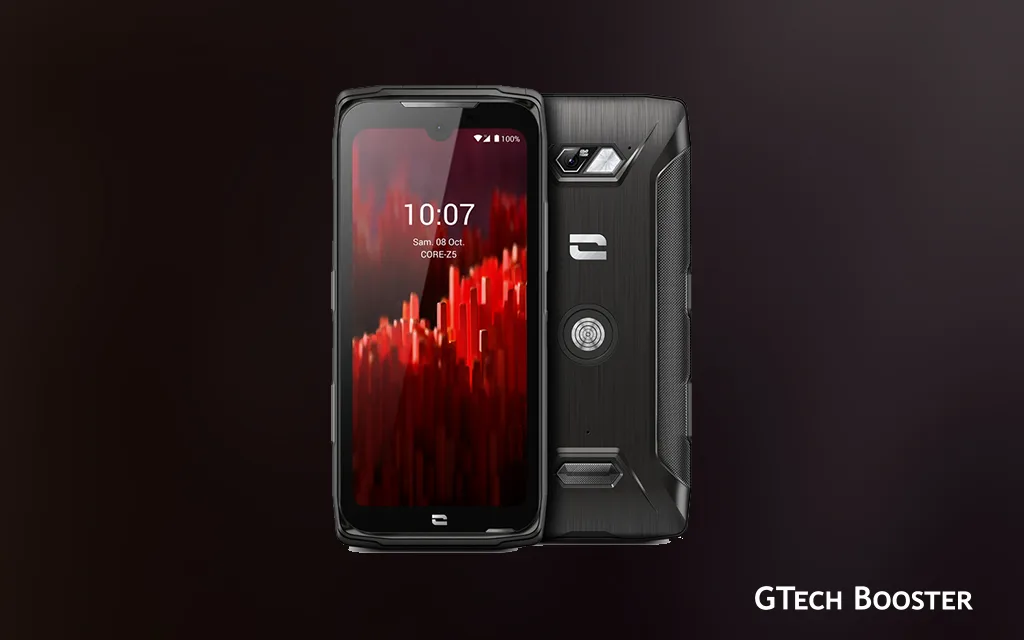
Crosscall Core-X5
IP68 · MIL-STD-810H · Made in France · ~$500
The European-born rugged brand with a strong reputation across French, German, and Spanish markets. Strong CE compliance, local warranty infrastructure, and European frequency band support.
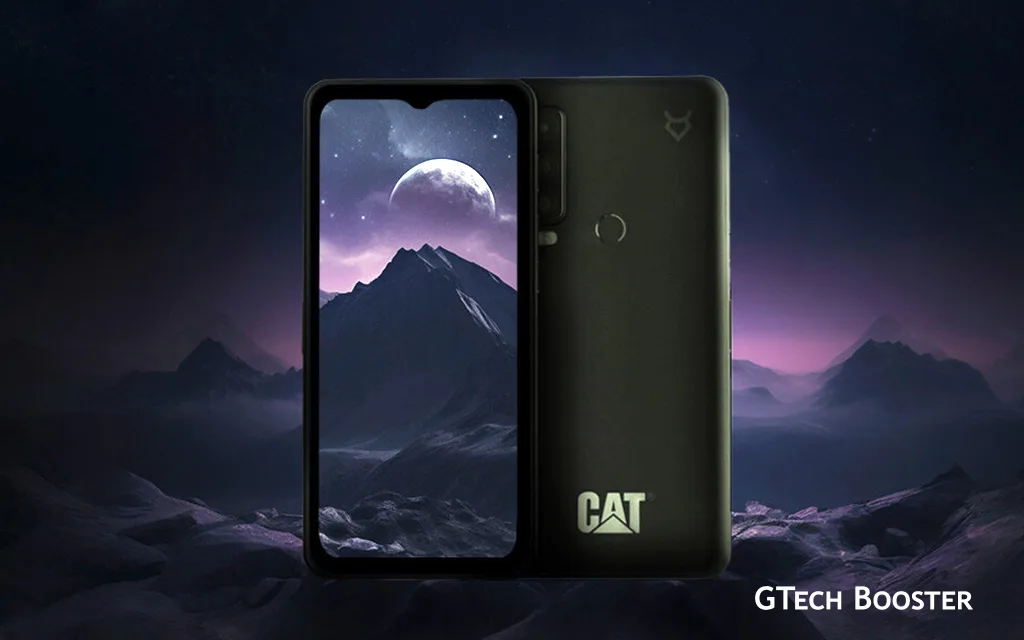
CAT S75
IP68 · Satellite · Enterprise MDM · ~$750
Caterpillar’s rugged range is built for construction and industrial use — the brand resonates deeply with European construction and utilities sectors.
Kyocera DuraForce Ultra 5G
IP68 · MIL-STD-810H · PTT · ~$700
Strong presence in Nordic markets (Norway, Sweden, Finland) where cold tolerance and enterprise PTT integration are priorities.
Europe-Specific Advice
- Ensure CE certification — it is legally required for any phone sold in the EU
- For enterprise deployments, look for Android Enterprise Recommended (AER) status which guarantees 3-year OS updates and security patches
- Nordic countries need cold-weather operational ratings — look for at least -20°C operational range
- GDPR requires devices used in corporate deployments to support MDM (Mobile Device Management) — verify compatibility with your organisation’s MDM platform
- Crosscall is worth considering specifically for French-speaking markets where local support and warranty repair centres exist
In the UK post-Brexit, CE marking from the EU is no longer sufficient — devices must carry UKCA marking for legal sale. This has caught some importers off guard.
Middle East
Market Context
The Middle East presents a combination of extreme heat, blowing sand, oil and gas industry requirements, and rapidly growing construction sectors (particularly in the UAE, Saudi Arabia, and Qatar). Temperatures regularly exceed 50°C in summer. Devices must handle sand ingress, high UV exposure, and industrial chemical resistance. The premium end of the market is strong — luxury rugged phones find a ready audience here.
Top Picks for the Middle East
AGM G3 Pro
IP68/IP69K · Thermal Imaging · Sand/Dust Sealed · ~$500
Exceptional sand resistance combined with thermal imaging makes it ideal for the oil and gas sector. The IP69K rating handles high-pressure cleaning common in industrial environments.
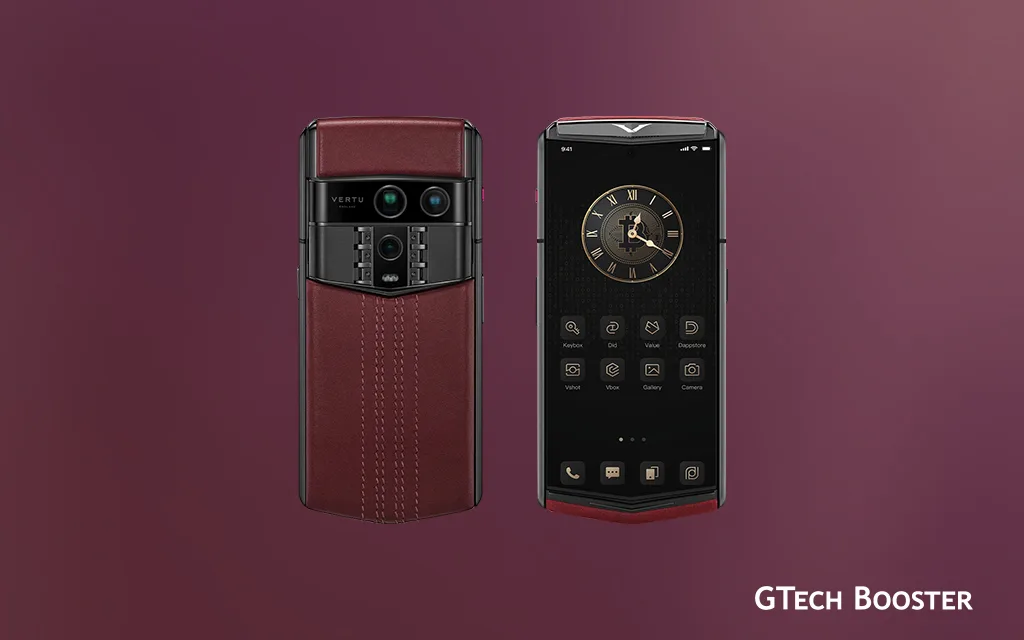
Vertu Agent Q
Grade 5 Titanium · Sapphire Crystal · Satellite · ~$12,000+
The executive rugged phone for the Gulf’s high-net-worth market. Vertu has a loyal following in the UAE and Saudi Arabia where premium materials and 24/7 concierge service
are valued alongside durability.
Samsung Galaxy XCover 7 Pro
IP68 · Knox · Enterprise · ~$600
The sensible enterprise choice for corporate deployments across Gulf-region construction and utilities. Samsung’s regional support network is well-established in KSA, UAE, and Qatar.
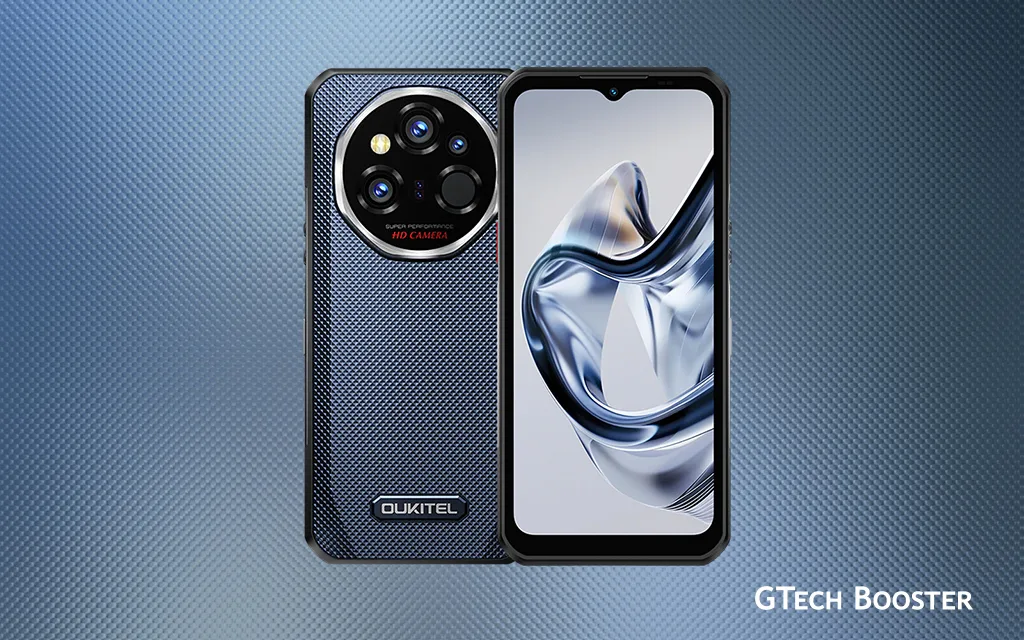
OUKITEL WP60
IP68/IP69K · 108MP · 10,000mAh · ~$400
Strong value for construction workers and field staff who need reliability without a premium price tag. Growing distribution presence across the Gulf through online retailers.
Middle East-Specific Advice
- Heat is the primary enemy — look for phones rated to operate above 55°C ambient temperature, not just the standard 45°C
- Sand and dust ingress is more damaging than water in most of this region — IP6X (dust-tight) rating is more important than the water component
- Screen glare under direct desert sunlight is a real problem — look for minimum 1000 nit displays, ideally 2000 nit or higher
- For oil and gas environments, ATEX or IECEx intrinsic safety certification may be legally required — standard MIL-STD is not sufficient
⚠ Note: ATEX/IECEx certification for explosive atmospheres (oil refineries, gas facilities) is a separate and much stricter certification than MIL-STD-810H. Do not assume a military-rated phone is safe in a petrochemical environment.
In the UAE specifically, WhatsApp VoIP calls were restricted for years but are now available. Ensure your rugged phone of choice runs a current Android version to access the latest app features.
The Americas
Market Context
North America is the most advanced enterprise rugged market globally, dominated by public safety, defense, logistics, and field services. Latin America is a fast-growing market driven by mining, agriculture, and infrastructure. Pricing sensitivity increases as you move south, with Brazilian import taxes significantly inflating device costs.
Top Picks for the Americas
Sonim XP10
IP68 · MIL-STD-810H · 100dB Speaker · Android Enterprise · ~$800
The top choice for US public safety, utilities, and construction. The loudest speaker in its class and full FirstNet band support make it a standard-issue device for many American enterprise fleets.
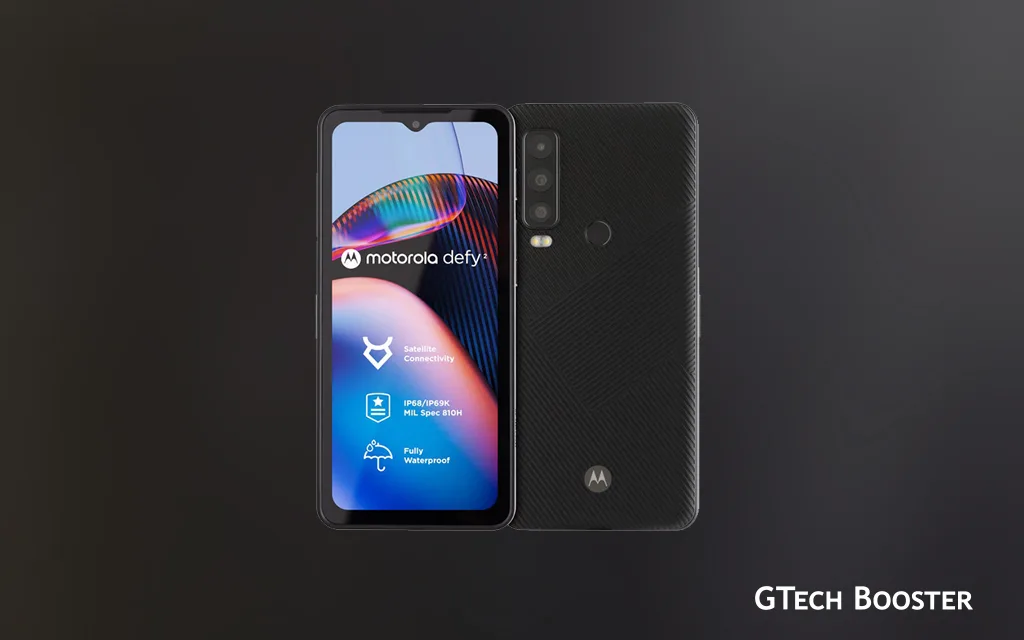
Motorola Defy 2
IP68 · MIL-STD-810H · Slim Rugged · ~$450
Motorola’s brand recognition across Latin America gives it a distribution and trust advantage. A solid semi-rugged option for field workers across Brazil, Mexico, Colombia, and Argentina.
Kyocera DuraForce Ultra 5G
IP68 · MIL-STD-810H · PTT · ~$700
Kyocera holds a strong position in the US market, particularly with carriers like Verizon and AT&T that bundle enterprise rugged devices with network contracts.
CAT S75
IP68 · Satellite · ~$750
The satellite messaging capability is increasingly valued in remote North American contexts — Alaskan oil fields, Canadian mining operations, and wilderness SAR teams.
Americas-Specific Advice
- In the US, FirstNet compatibility is critical for public safety workers — only FirstNet-certified devices get priority network access during emergencies
- In Canada, Band 4 and Band 66 (AWS) LTE support is essential for coverage across major carriers
- In Brazil, Anatel certification is legally required for all phones — grey market imports may not work on Brazilian networks and cannot be legally used
- For Latin American mining operations, look for Spanish-language OS support and regional distributor warranty networks
In the United States, buying rugged phones directly through enterprise carrier programs (Verizon, AT&T, T-Mobile) often comes with MDM pre-configured, zero-touch enrollment, and multi-year support agreements — significantly better value than retail purchase for businesses deploying 10+ devices.
Global Expert Buying Advice
The Five Questions to Ask Before Buying
Regardless of region, every rugged phone purchase should be evaluated against these five questions:
- What is the primary hazard? (Water, dust, heat, cold, drops, chemicals — prioritise accordingly)
- Is this a consumer or enterprise purchase? (Enterprise needs MDM compatibility, AER status, and multi-year support)
- What is the battery requirement? (Days off-grid demand 10,000mAh+; urban field workers can manage with 5,000mAh)
- What connectivity does the environment require? (Satellite, PTT, standard cellular, or all three?)
- Who provides warranty service locally? (A phone with no regional repair centre is a liability)
The New 2026 Features Worth Paying For
The rugged market has matured significantly. Features once exclusive to $1,000+ enterprise devices are now available at $300–$500:
- Thermal imaging cameras (for electricians, HVAC, industrial inspection, and search & rescue)
- Laser rangefinders (for construction, surveying, and field measurement)
- Built-in DMR/walkie-talkie radios (for areas with no cellular coverage)
- Satellite emergency messaging (for remote work where cellular networks end)
- Bypass charging (game and use the phone while charging without degrading the battery)
What to Avoid
- IP ratings without MIL-STD-810H — IP alone does not mean drop-proof
- Brands with no regional warranty infrastructure — look for official distributors, not just Amazon listings
- Phones running Android 12 or earlier in 2026 — security vulnerabilities accumulate fast on old OS versions
- Thermal imaging as a gimmick — verify the sensor resolution (256×192 minimum for useful professional imaging)
- Buying for Antarctica or extreme cold without testing battery performance in actual low temperatures first
The Luxury Rugged Segment
A premium category has emerged that blends military-grade durability with luxury materials. For executives and high-net-worth individuals who travel extensively and require both security and durability, brands like Vertu (Agent Q, Quantum Flip) and Caviar offer Grade 5 Titanium frames, Sapphire Crystal screens, integrated satellite connectivity, and 24/7 concierge services. These devices start at approximately $8,000 and can exceed $50,000 for bespoke models. They are niche but represent a growing segment in the Gulf, Europe, and North America.
Market Outlook 2026–2030
The brands to watch entering 2027 are AGM Mobile (AI feature integration), Ulefone (aggressive mid-range disruption at 16.2% CAGR), and Crosscall (European market expansion). Samsung and Cat remain the safe enterprise bets with established global service networks.
The rugged smartphone market is projected to grow to $4.1 billion by 2030. The driving forces are clear: construction and infrastructure booms across Asia and Africa, digitisation of field operations in utilities and logistics, and a growing consumer segment of adventure travellers and outdoor enthusiasts who want durability without sacrificing modern smartphone capability. The next frontier is Edge AI integration — analysts predict that by 2027, the leading rugged phones will incorporate dedicated NPU chips enabling real-time thermal analysis, AI-powered safety alerts, and predictive maintenance tools directly on-device without cloud dependence. 5G is already standard at the premium tier and is rapidly moving down to the mid-range. Battery technology is the one area where breakthrough progress is still awaited — graphene batteries remain the industry’s most anticipated development.
More Information ℹ

Gabby








Be polite and constructive with your point.