
10 things you shouldn’t do with electronic devices and why
Common pitfalls include poor ergonomics, overexposure, and unsafe habits that build up over time. Treating our electronics well is a bit like maintaining a car,a few small habits can be the difference between a device that lasts
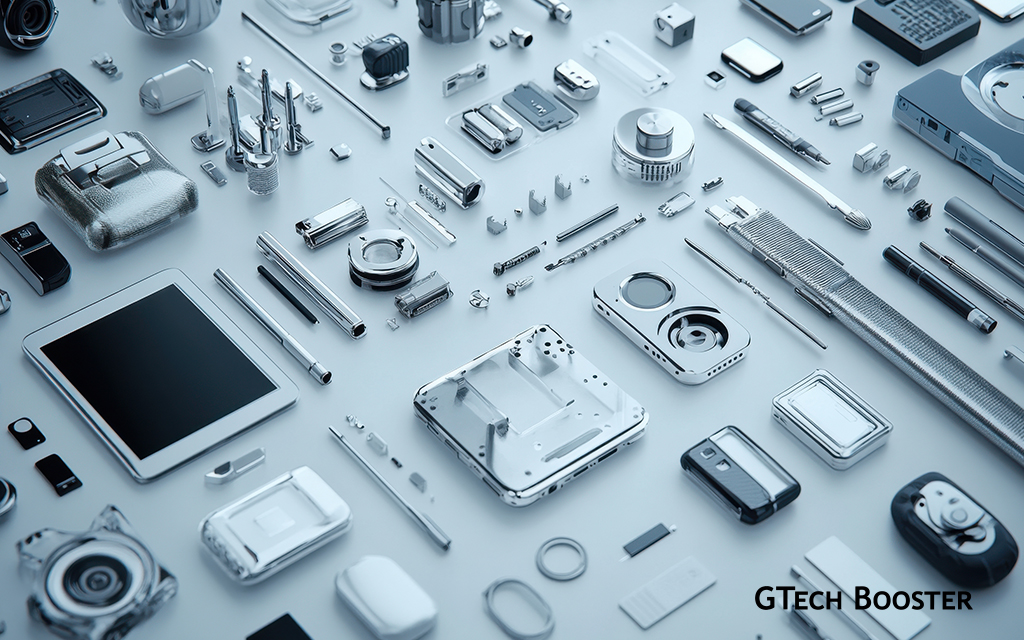
Electronic devices offer immense convenience but come with risks from misuse that can harm health, safety, and longevity. Common pitfalls include poor ergonomics, overexposure, and unsafe habits that build up over time. Treating our electronics well is a bit like maintaining a car,a few small habits can be the difference between a device that lasts five years and one that dies in eighteen months.

Here are some key things you shouldn’t do with electronic devices and why:
1. Expose them to water or moisture
Contents
Water causes short circuits and corrosion in electronic components, often causing permanent damage or creating shock hazards.
2. Use them while charging with damaged cables
Frayed or damaged cables can cause electrical fires, overheat batteries, or deliver inconsistent power that degrades the device over time. Modern Lithium-ion batteries have a limited number of cycles. Deep discharges (going to 0%) and full charges (100%) put significant chemical stress on the battery. The best way to keep your battery free from such stress is to keep your phone’s charge between 20% and 80%
3. Leave them in extreme heat (e.g. a hot car)
High temperatures degrade lithium batteries rapidly, can warp components, and in severe cases cause batteries to swell or even catch fire.
4. Overcharge or fully drain batteries repeatedly
Keeping a battery at 100% or 0% for extended periods stresses the battery cells, shortening its overall lifespan significantly.
5. Block ventilation ports
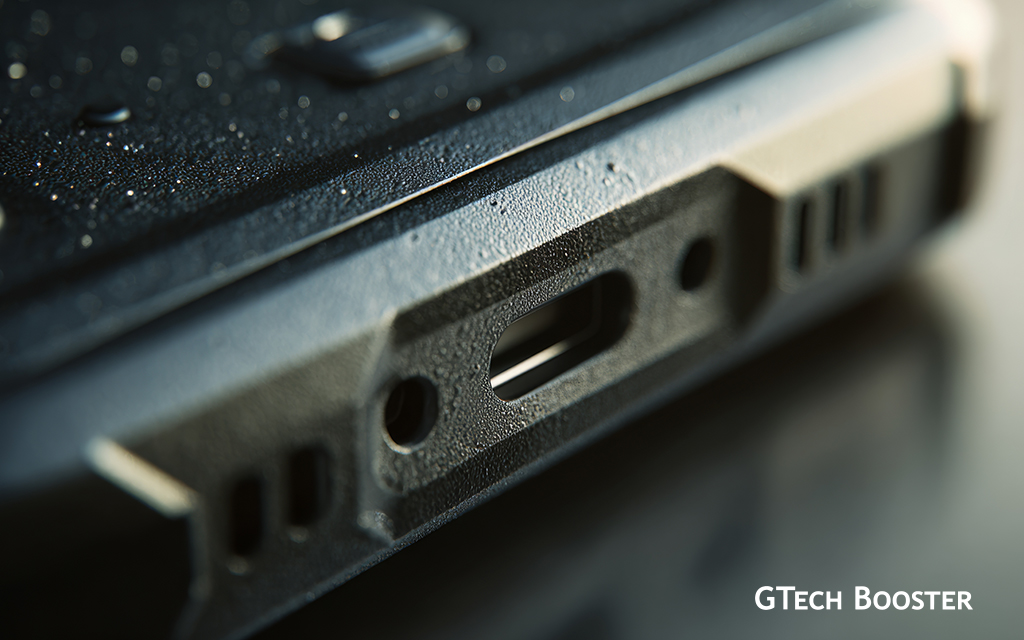
Electronics generate heat and need airflow to cool down. Blocking vents (e.g. using a laptop on a pillow) causes overheating, throttled performance, and long-term hardware damage.

6. Install software from unknown sources
Unverified apps or programs can contain malware, spyware, or ransomware that steals data, corrupts files, or takes control of your device.
7. Drop or physically mishandle them
Impacts can crack screens, dislodge internal connections, and damage hard drives or SSDs, sometimes causing irretrievable data loss.
8. Ignore software updates
Updates often contain critical security patches. Skipping them leaves your device vulnerable to known exploits and cyberattacks.
9. Use in thunderstorms while plugged in
Lightning strikes nearby can send power surges through electrical lines, frying connected devices instantly — a surge protector helps but isn’t foolproof.
Using public Wi-Fi without a VPN exposes passwords, banking details, and personal data to potential interception by bad actors.
In conclusion, electronic devices are valuable tools that enhance our daily lives, but they require responsible handling to remain safe and functional. By avoiding common mistakes such as exposure to water, extreme temperatures, physical mishandling, and unsafe software practices, you can significantly extend the lifespan of your devices and protect your personal data. Simple habits like using trusted sources, keeping software updated, and storing devices properly go a long way in preventing costly damage and security risks. Ultimately, treating your electronics with care not only saves money but also ensures a safer and more reliable experience.
More Information ℹ


Focal Point












Be polite and constructive with your point.